Roswell
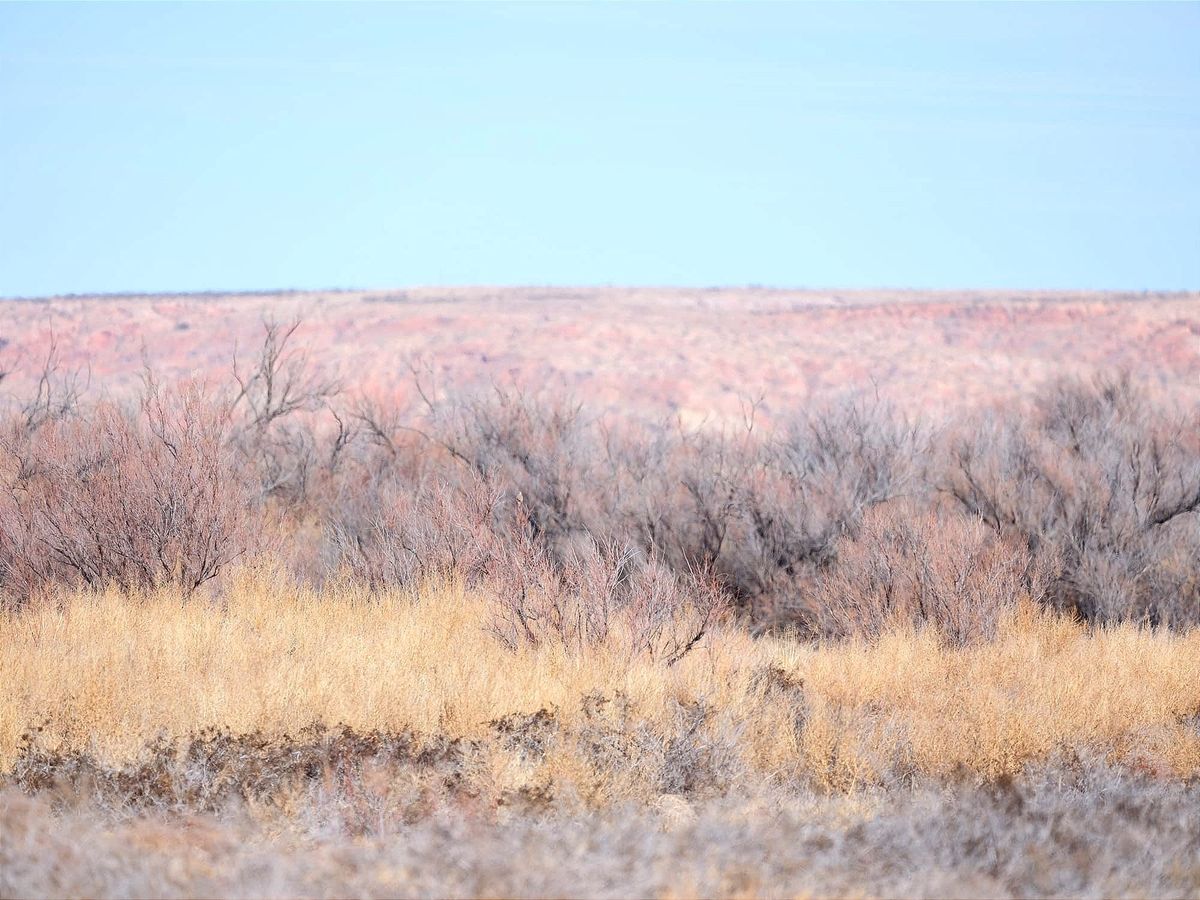
When you drive east in New Mexico, and drive far enough, you reach a sudden reckoning that they ran out of mountains and there is a distressing sense that they are also short of hills, even short hills. Maybe God gave up, or perhaps there is little appealing there now that the bison are gone.
It struck us suddenly just east of Roswell, where the odds of seeing an alien is exceeded by the likelihood of seeing lumbering Air Force tankers or Sandhill Cranes overhead. Flatness, like the state has shaken out a bedspread and there are no more wrinkles or rumples. Just as suddenly, you are on the Great Plains, geographically and culturally. The accents seem to change and me, having mid-western roots and relatives, found a strange feeling of familiarity. It as if people afraid of the mountains have congregated here.
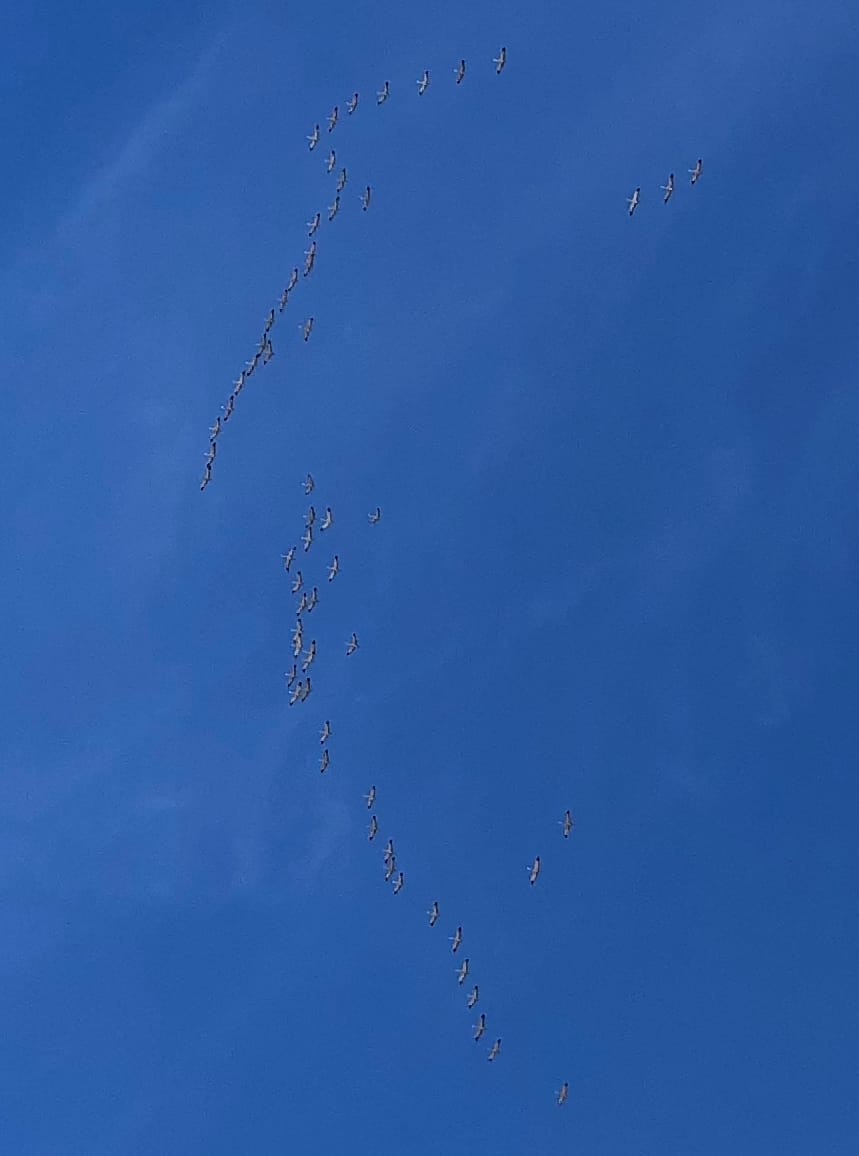
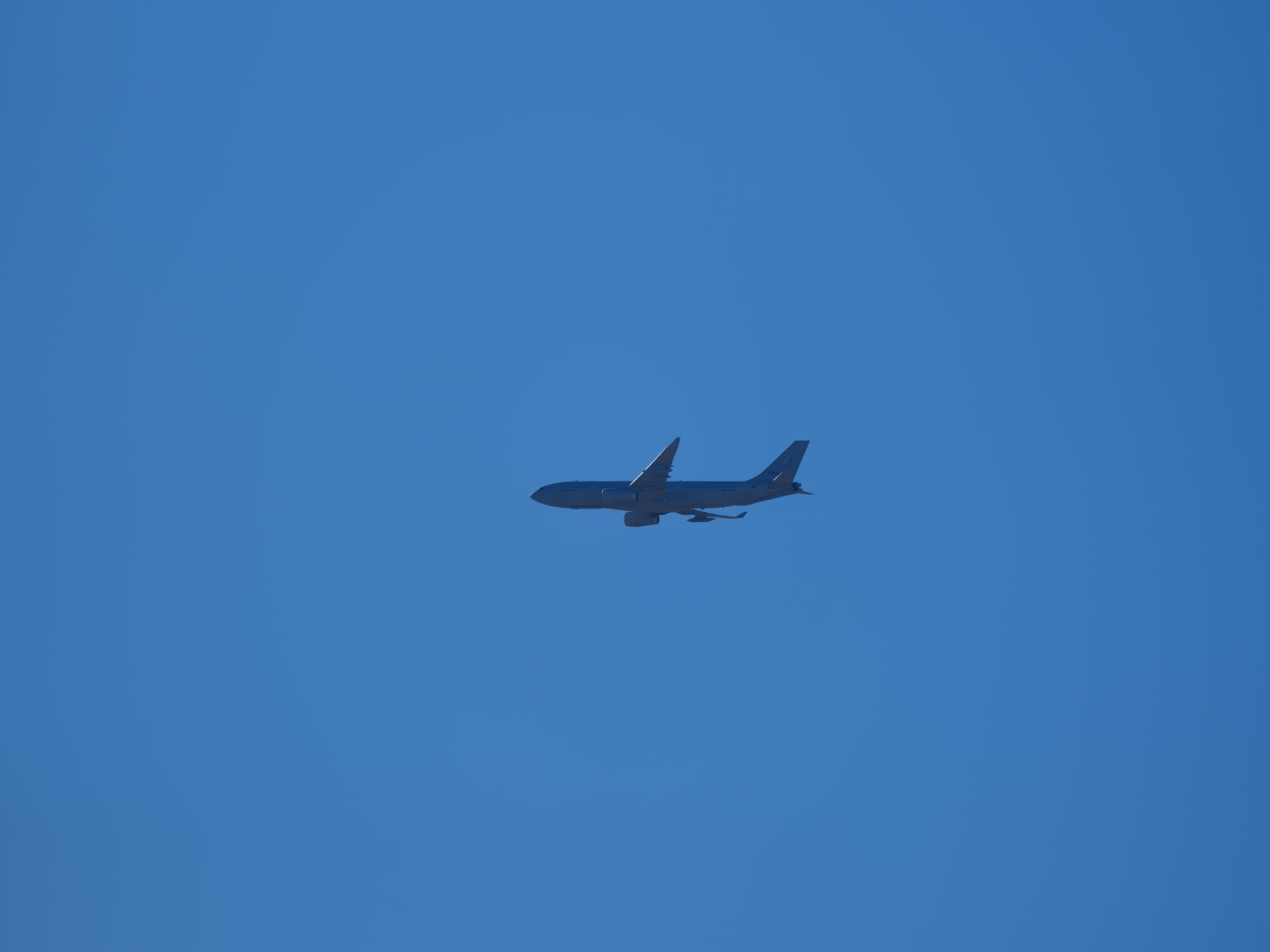
Sandhill Cranes, Air Force tanker.
This is a town defined in the outsider's mind by an incident in 1947 that didn't actually take place here. The UFO (saucer as originally described, it became a weather balloon later) crashed 75 miles further north. Before that John Chisum's gigantic ranch and subsequent Lincoln County War put the area on the map along with Billy the Kid and all the subsequent movies made about that war. A 'war' as American as it can get. You might guess cattle vs sheep, grazing rights, or water. But it was really about monopoly and mercantile competition. Throw in some Irish Catholics and English Protestants and now you have a spicey soup of violence. Immigrants stirring up trouble again.
All around us now, is farmland, at a small roadside RV park on the eastern edge of town. Fallow fields in the winter sun, brown dirt, and blonde stubble. A network of irrigation pipes reminds us we are still in the Southwest. The wind is steady if not actually sweeping off the plains. It is peaceful and friendly.
We went into town for the UFOs and found the UFO museum staged in an old movie theatre. It's an entertaining $7 worth. There is a research library, and the Roswell incident displays are very well done.
Some local military history and then onto the mockups of alien autopsies and a UFO landing. And the Travis Walton UFO encounter from Snowflake Arizona which I remember as a kid growing up in Arizona. The obligatory gift shop with a decisive consensus that aliens should be portrayed in fluorescent green even as we all know they are called the grays.
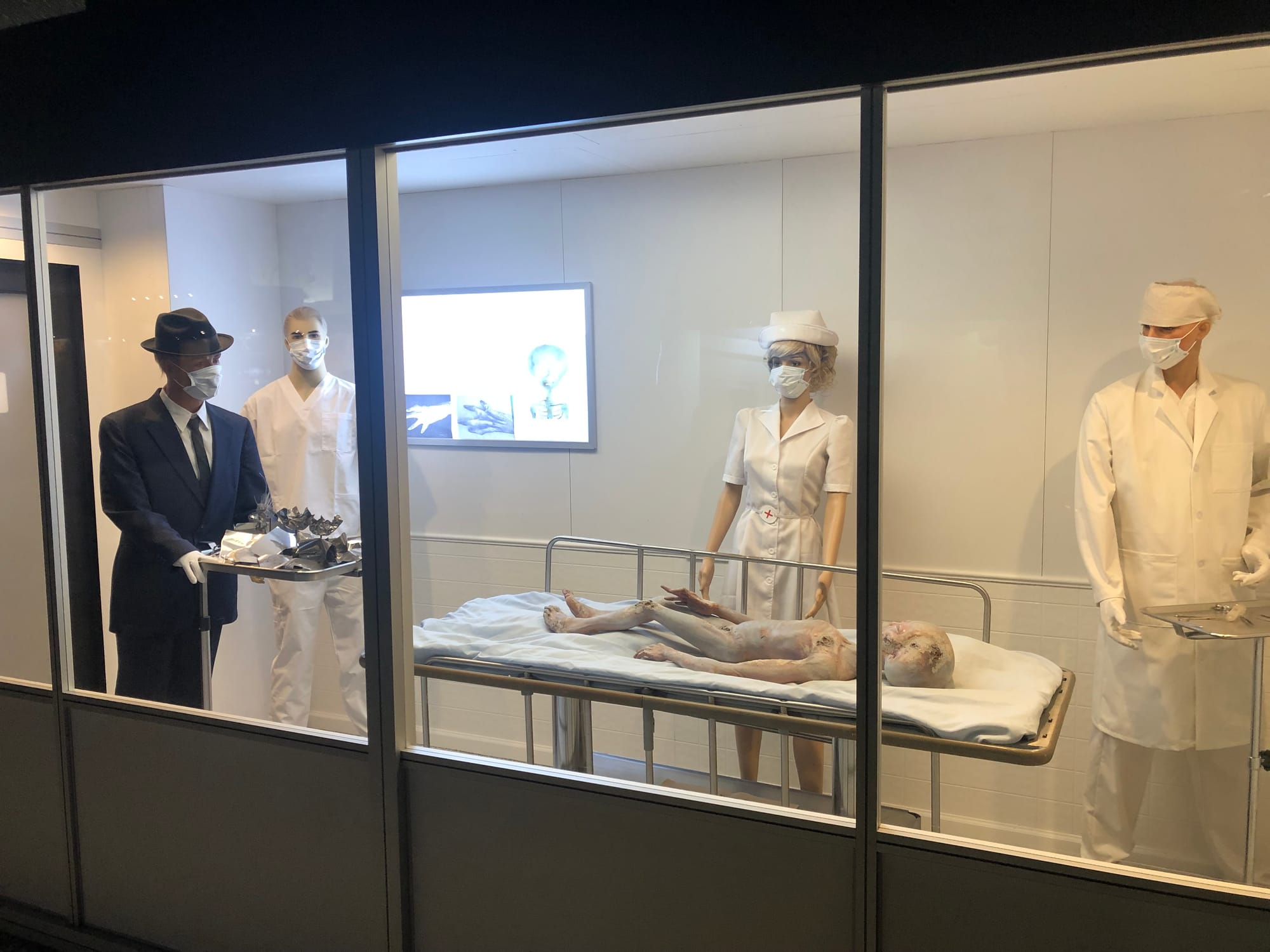
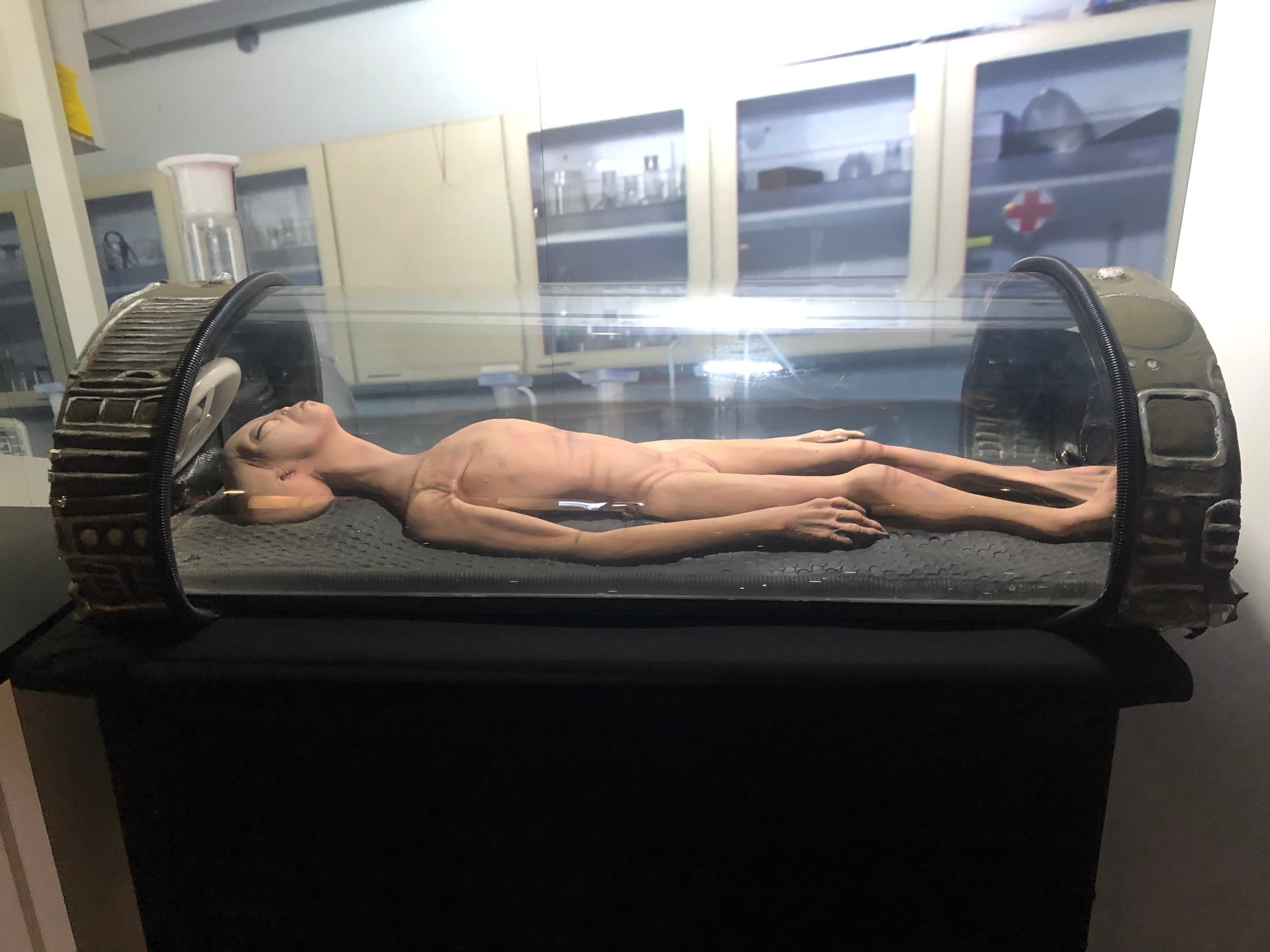
Alien Landing Diorama
A more interesting sideshow is across the street. At a Christian rock shop (no not music) called Ancients of Days, with the usual collection of minerals and crystals and a ton (or more) of petrified wood.
First of all, someone should make some reconciliation of the bible and all this old wood. More interesting is a small display about UFOs and Christianity describing it in different terms as, a) a sign of a degenerative society, b) an apostasy, or c) a sign from God. Books written on the subject. Competing ideologies! UFOs may tell us more about ourselves than anything else, but I am ill-equipped to say what the psychic runes here might reveal.
The owner is a nice chap and actually rents his space from the UFO museum. Turns out the UFO museum folk own most of the buildings on this crossroads in downtown Roswell. That says something about Roswell I suppose.
This is really a midwestern farm town on the edge of the plains, though probably more Hispanic than most, being in New Mexico. The accents lean more midwestern here to my ear. The propane man, a very nice man named Philip, was originally from Kansas and seemed at home here. The downtown is classic declining farm town with a retro feel. (Some of it revived by the small UFO industry that everyone here leans into.)
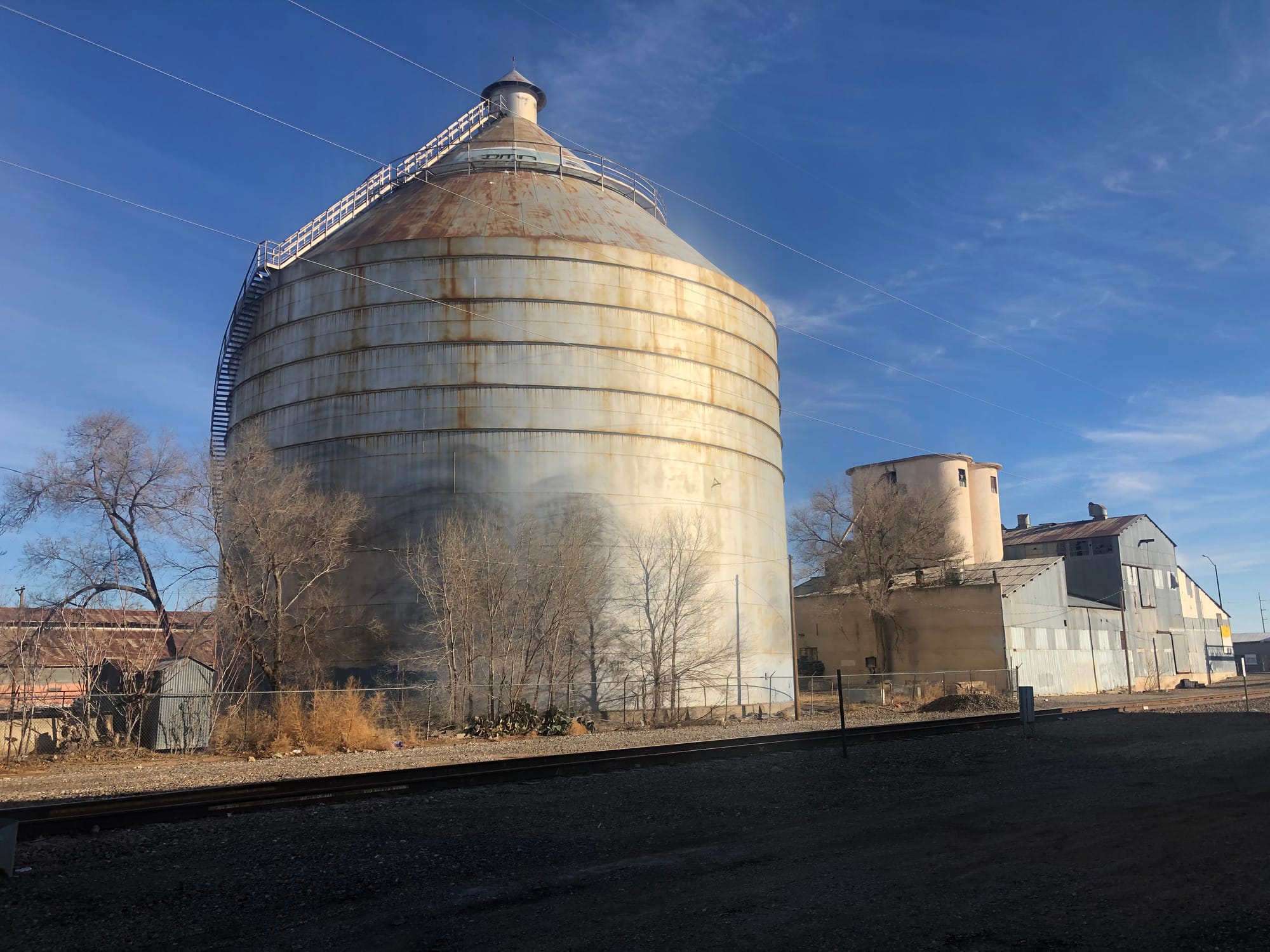
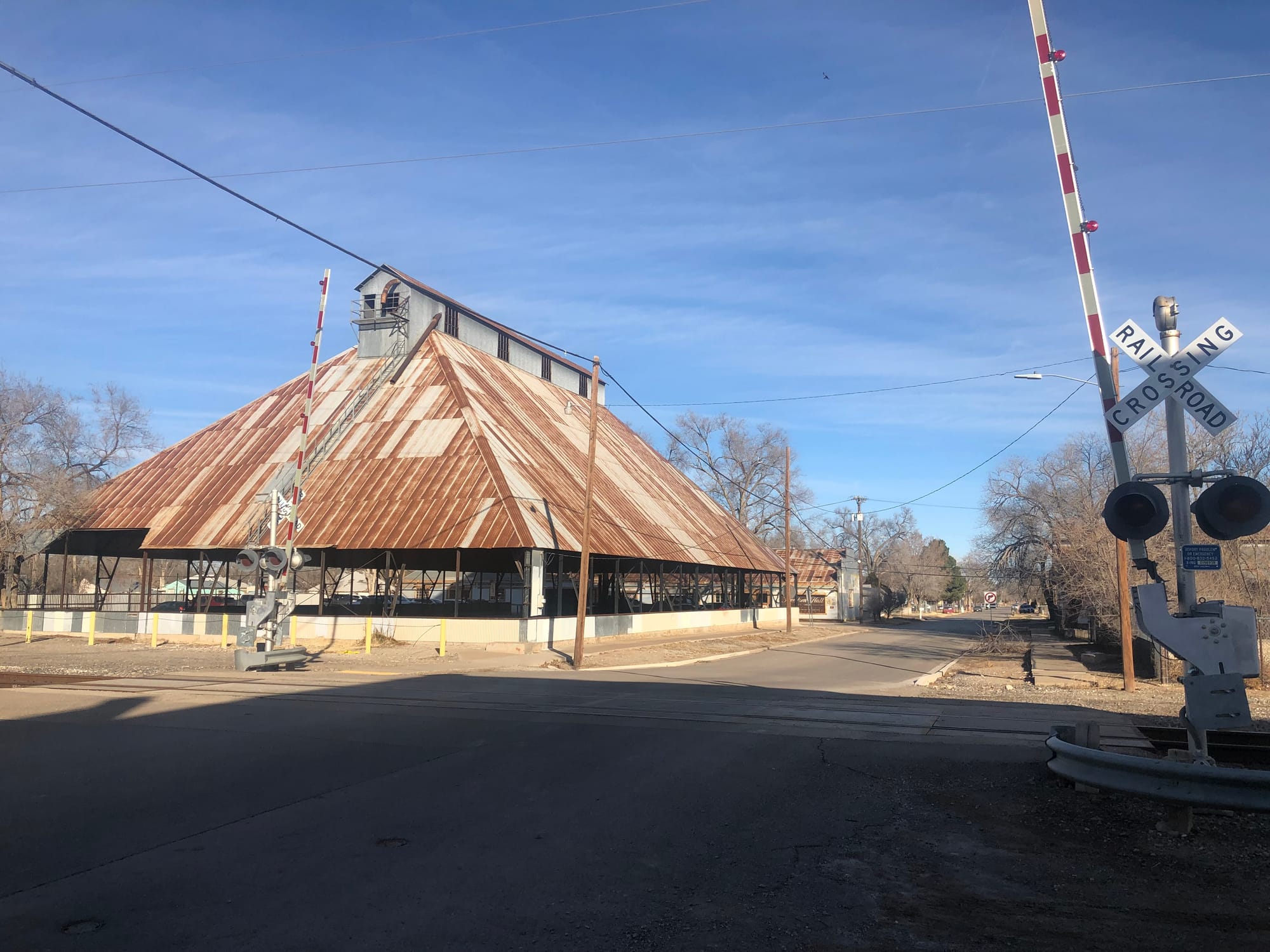
Downtown abandoned agricultural buildings.
Outside of Roswell to the east are a couple of natural attractions. They center on the Pecos River which starts high up in the Sangre De Christo mountains east of Santa Fe and winds its way down the east side of the state before entering Texas where is wends its way to the Rio Grande at Del Rio Texas. The Rio Grande originates on the Santa Fe side of those same mountains and after almost one thousand miles they finally join each other.
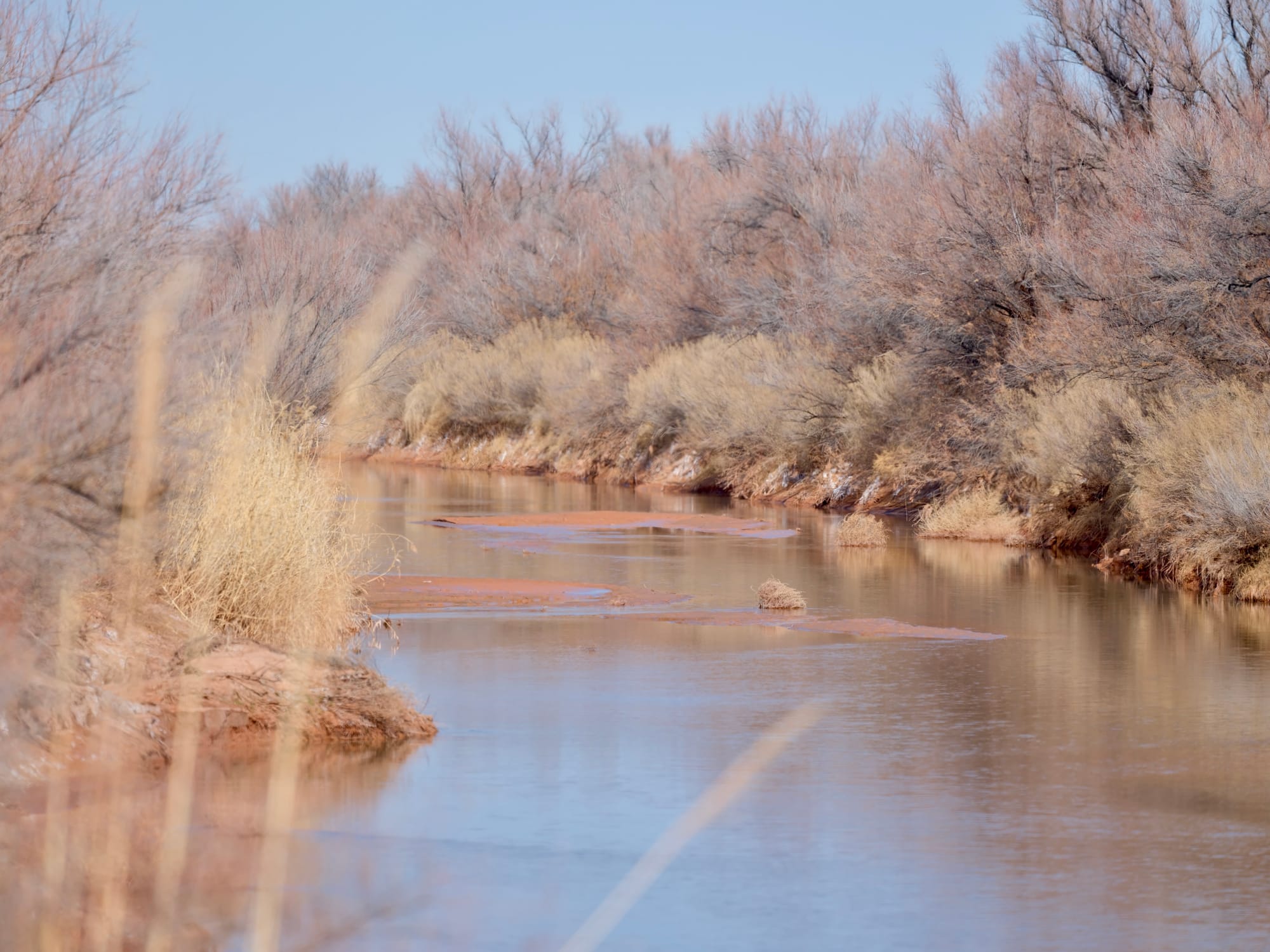
Pecos River at Bitter Lakes
By the time it runs past Roswell it is a smallish stream in mid-winter. It runs through Bitter Lakes Nation Wildlife Refuge (NWR), crosses under the interstate and runs past Bottomless Lakes State Park. The lakes are indeed bitter with gypsum salts, though the lakes, disappointingly are not bottomless.
I visited the Bitter Lakes NWR a few times to see if I could find some interesting birds. I did.
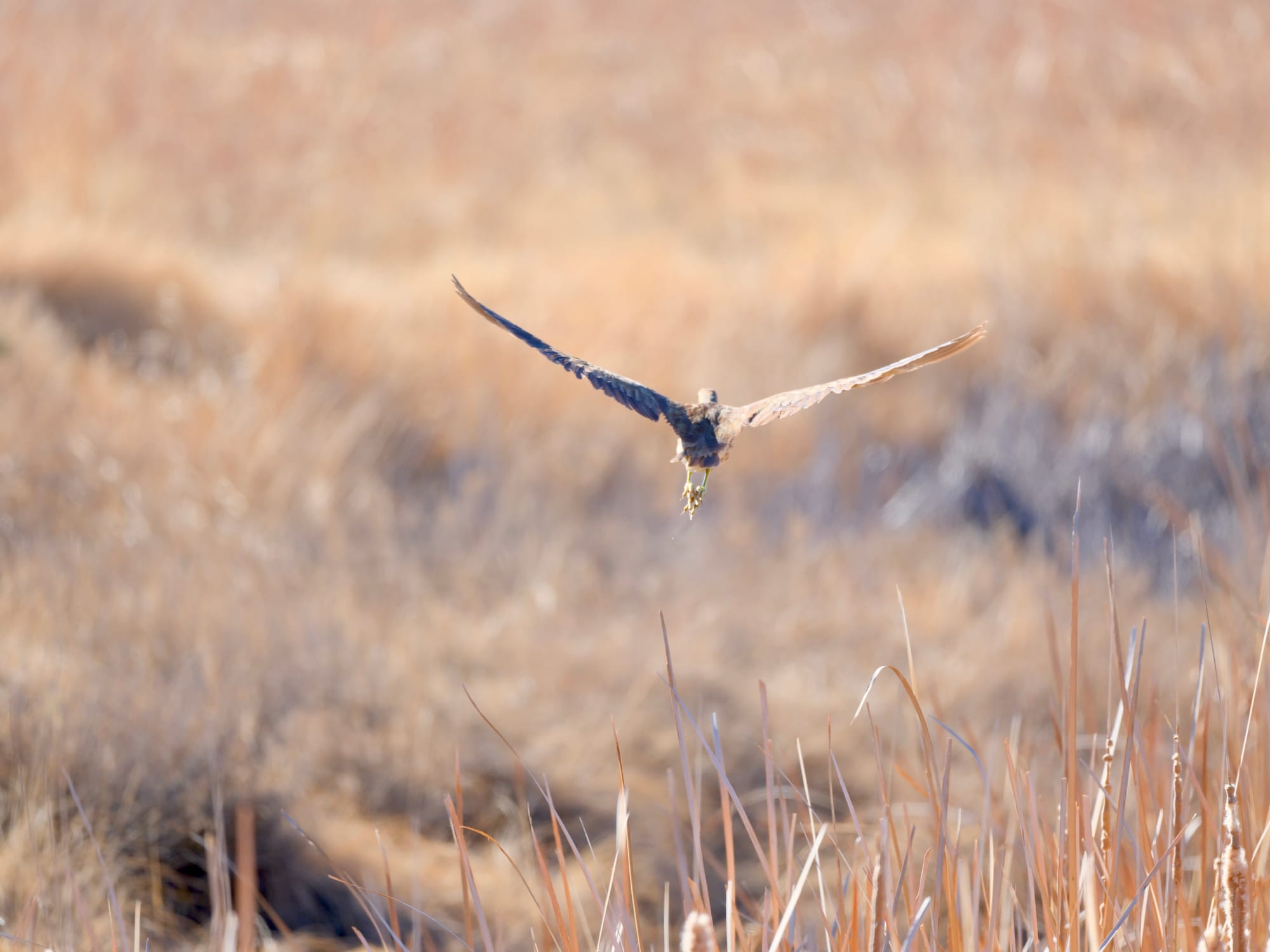
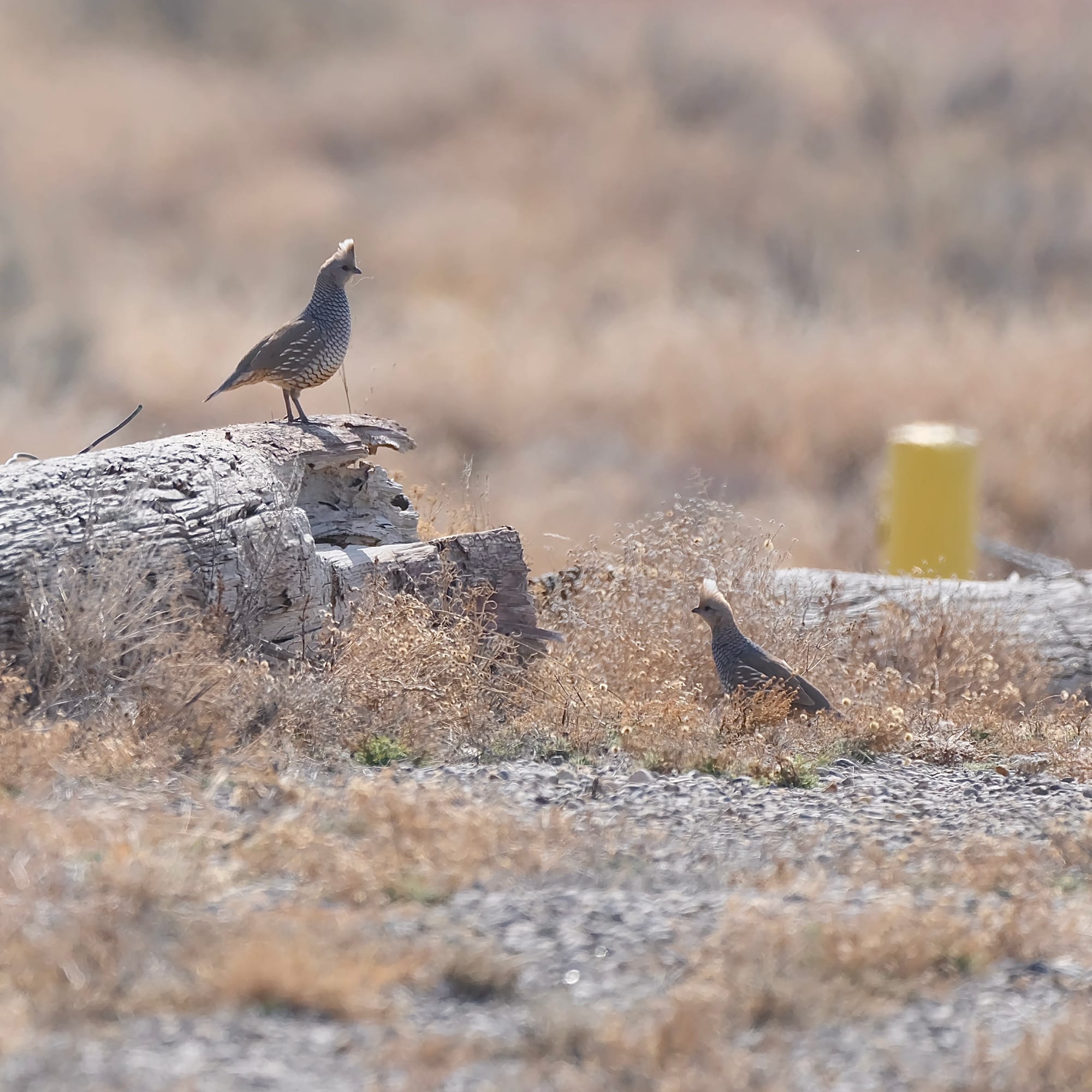
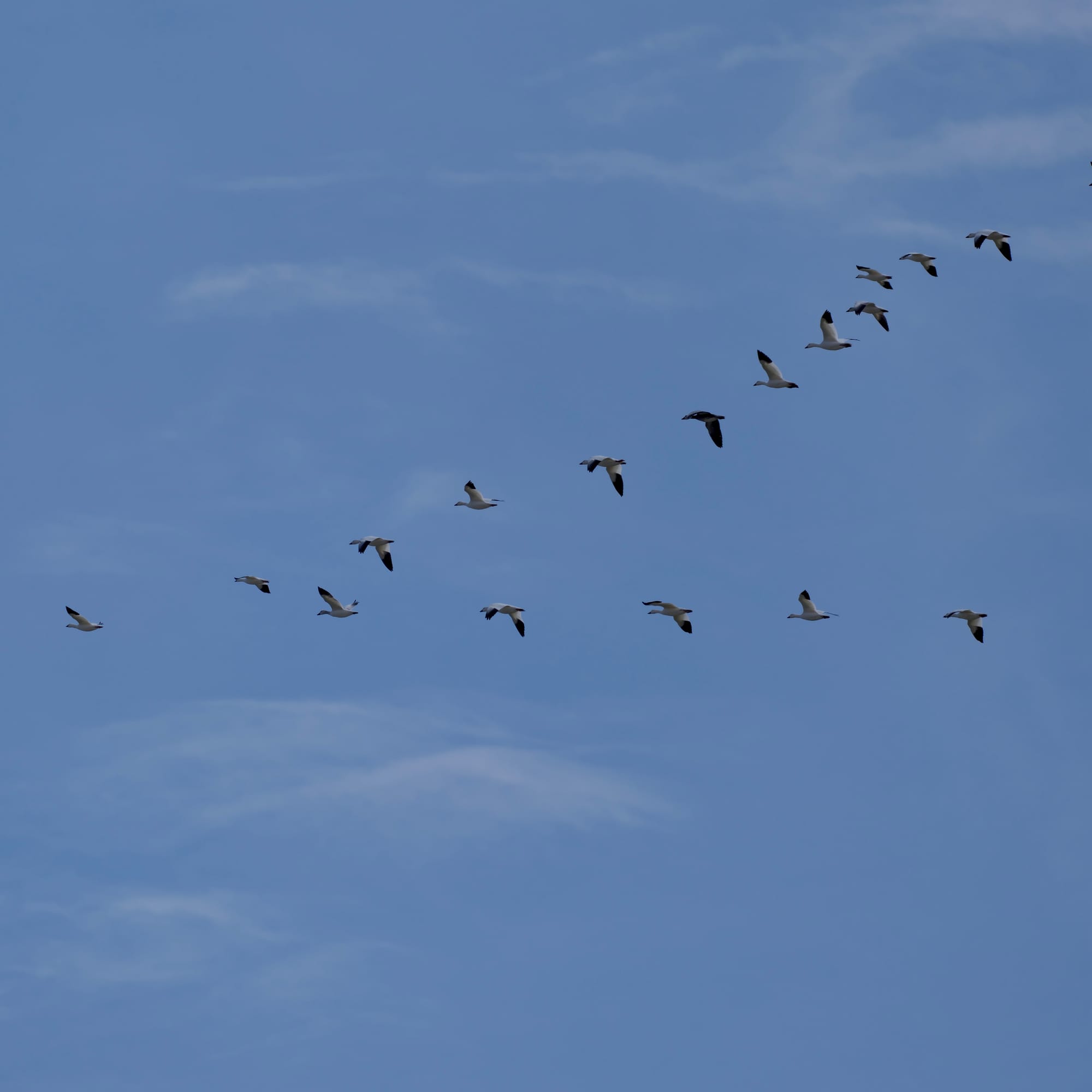
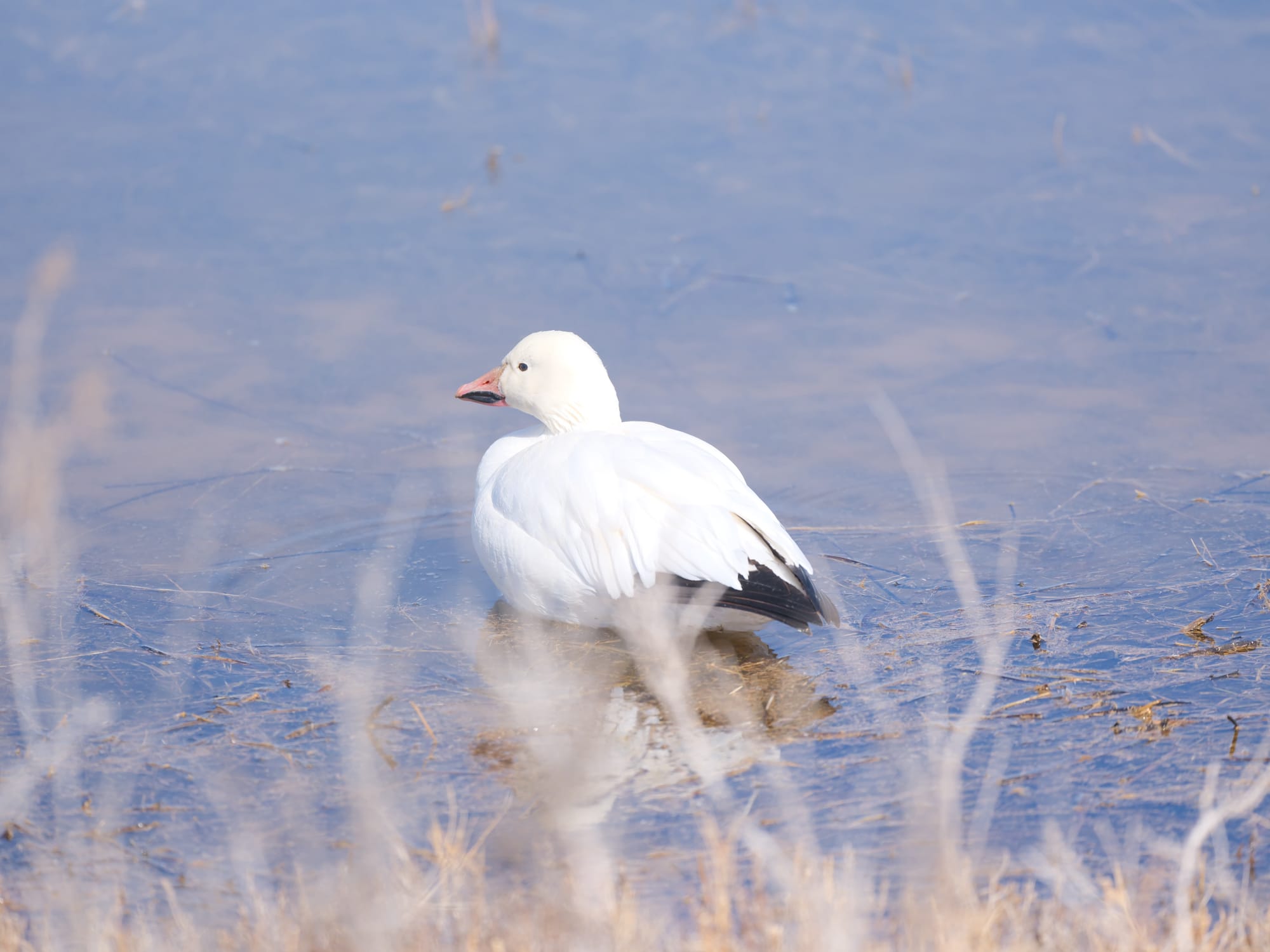
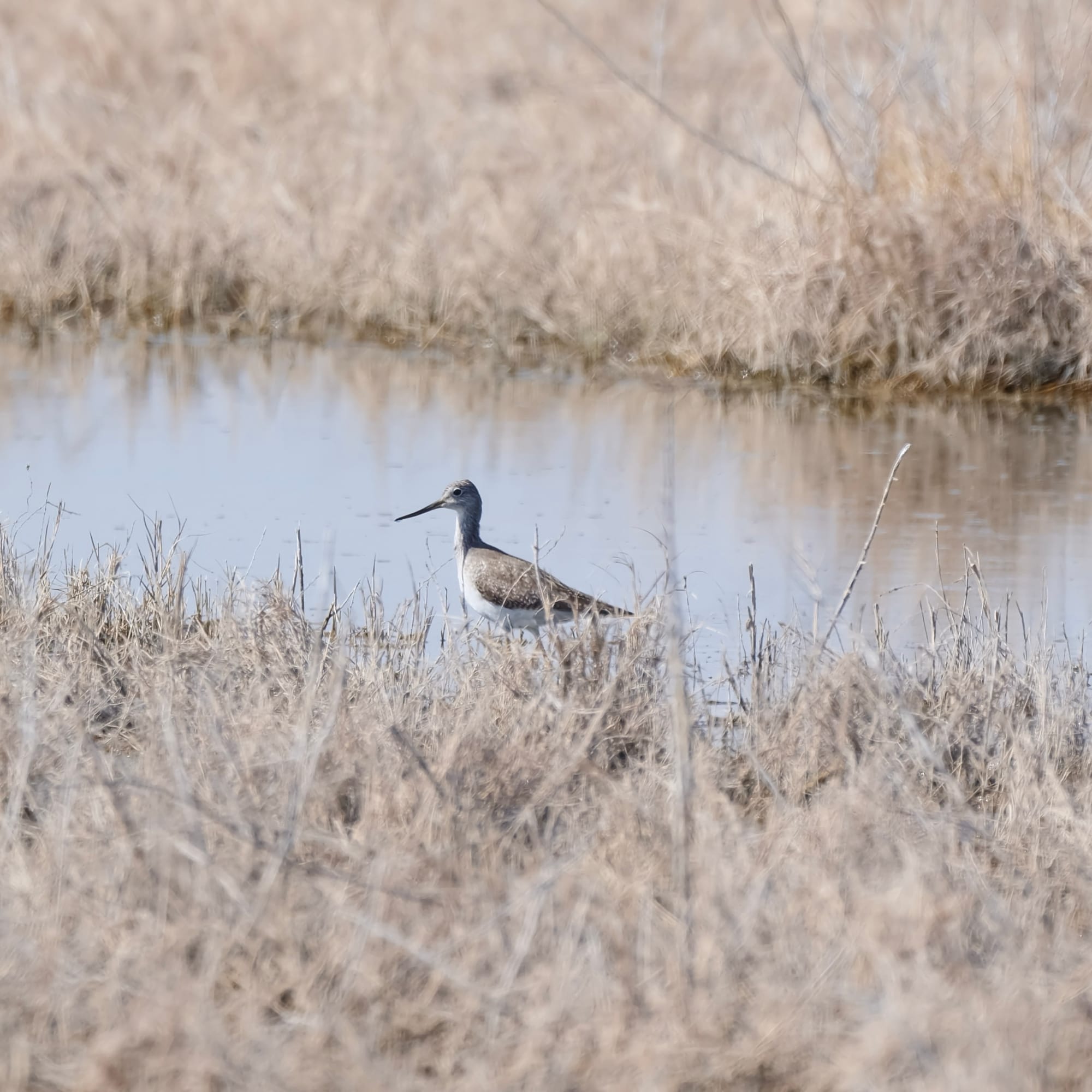
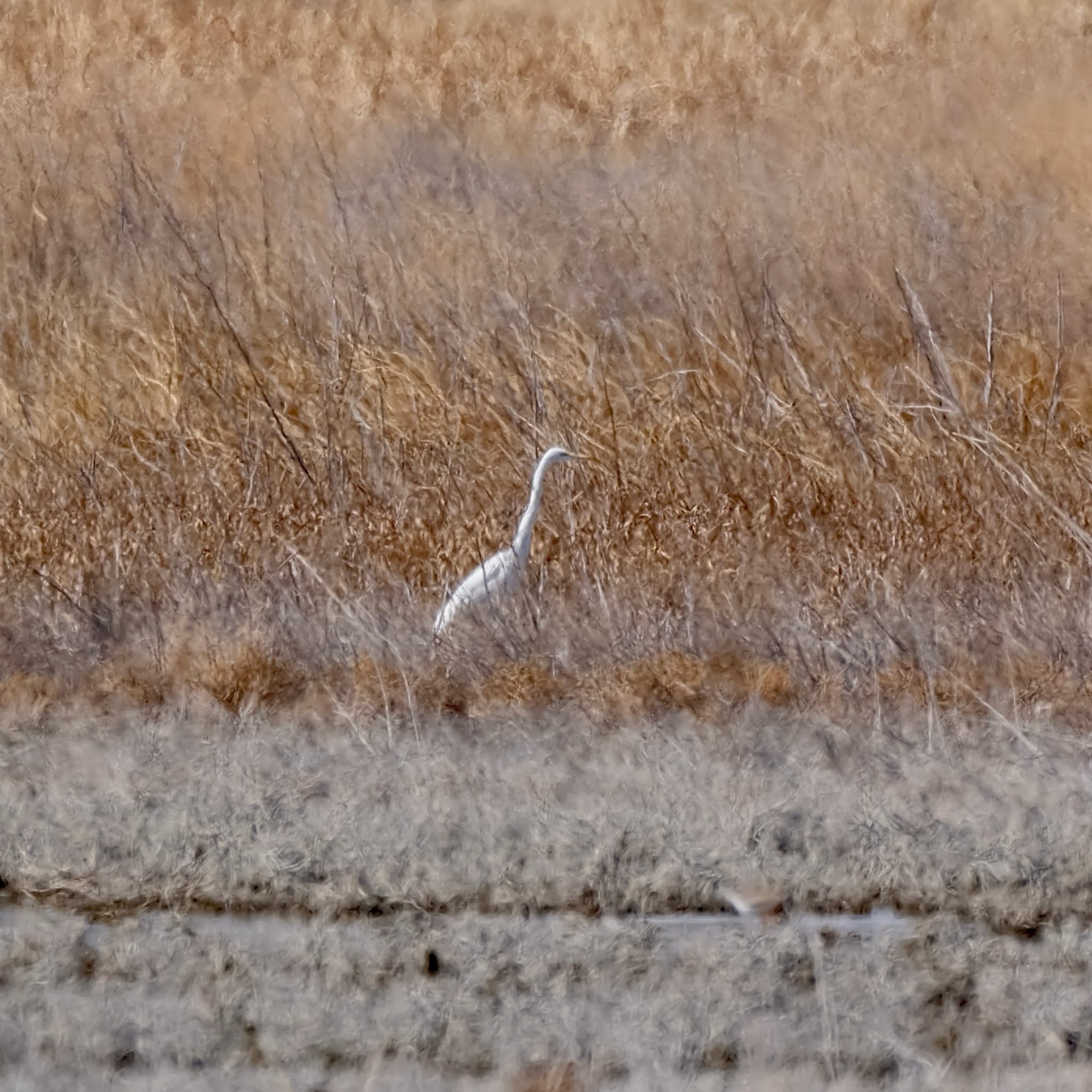
From upper left clockwise: American Bittern, Scaled Quail, Snow geese in flight (with adult blue morphs), Great Egret, Greater Yellow Legs, Snow Goose on water.
The Pecos is a classically western river; its flow is entirely accounted for and used along almost its entire length. When one looks along its length on satellite maps it is hard to imagine it can have any flow left to add to the Rio Grande.
When you leave Roswell and drive north towards Santa Fe you travel across some of the most desolate and uninteresting country imaginable. Two hundred miles of mostly Chihuahua desert and grassy plains. Grass and staghorn cholla sweep over the landscape.
Charmingly I have never seen so many Pronghorn Antelope on a stretch of road. For a time, it seemed as if they would outnumber the cows. For on either side of the road are cattle ranches, little outposts dotted every half hour or so in the distance.
You pass through some awful little towns like Vaughn and Encino. Small agricultural towns that seem on their last legs. Vaughn looked abandoned except for a gas station. Though the houses did have people living in them, but most of the houses had not seen a lick of paint in the last decade at least. Encino had some rundown rustic charm, and they did have a small park. These places seem to attract retirees looking for some place cheap to live in or to park an RV and stay.
Arriving in Santa Fe is a bit of a culture shock. It has grown with the inevitable sprawl of most American cities. The old center certainly has retained much of its charm, and for this it must still be visited and loved. The winter is a nice time to visit with the crowds mostly gone. But still much of it has succumbed to the strip malls and wide noisy highways.
Having grown up in the Southwest I still have a love and nostalgia for the art and culture of Santa Fe. We browsed some shops on the square and I picked up a second-hand silver Hopi ring with a Bear claw.
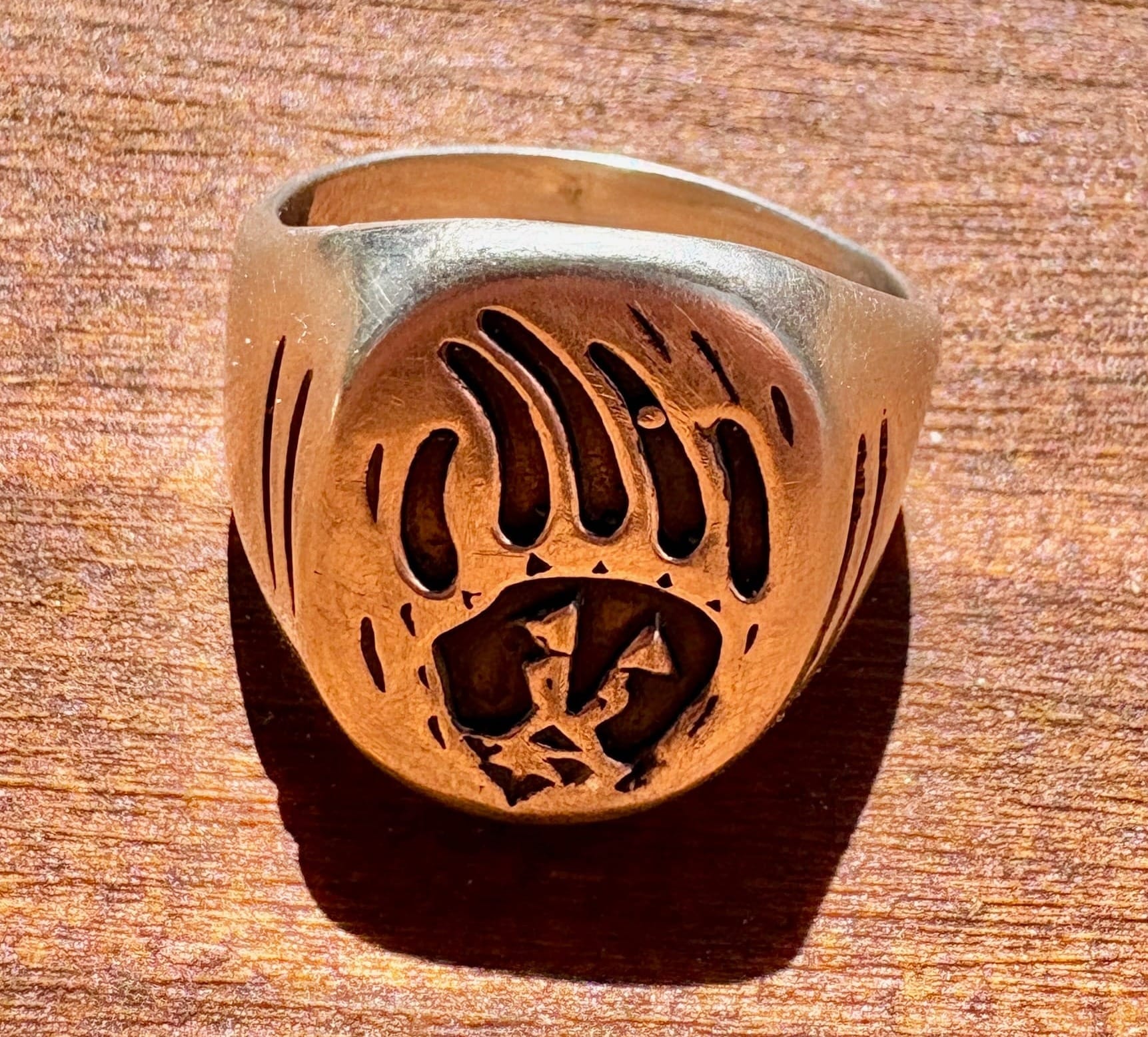
I tried learning more about the symbology on the ring from different shop owners, but they didn’t seem to know much. Later the internet revealed it is a Badger claw not a bear and now that I see that it is obvious looking at it. The Badger claw is more gracile than the Bear. Many times, the Badger claw is described as a Bear claw.
The Badger is a symbol of health and strength in Hopi lore. The Badger is also a directional guardian who guards the south alongside the Bobcat. The symbols in the palm of the track are either herbs or prayer feathers. They extend healing powers to the wearer.
There is small intentional inclusion of a dot of silver on one of the claws. It certainly must also have some meaning. It is interesting that it is on the same finger I wear the ring on my hand.
Whether or not I derive any spiritual benefit, I will none-the-less enjoy this little item and only wish the hallmark were not so worn so that I might know of and appreciate the artist a little more.