Hypothermia
I have suffered from the first stages of hypothermia on three occasions. Two of them were during the summer and one in the winter. None of them were life threatening because in each case I knew the symptoms and was aware of my vulnerability and still able to take action to remediate the problem before it got worse.
Hypothermia can be a serious problem that leads to death. Most important are the early stages that often result in the loss of cognitive abilities, and this leads to poor decision making.
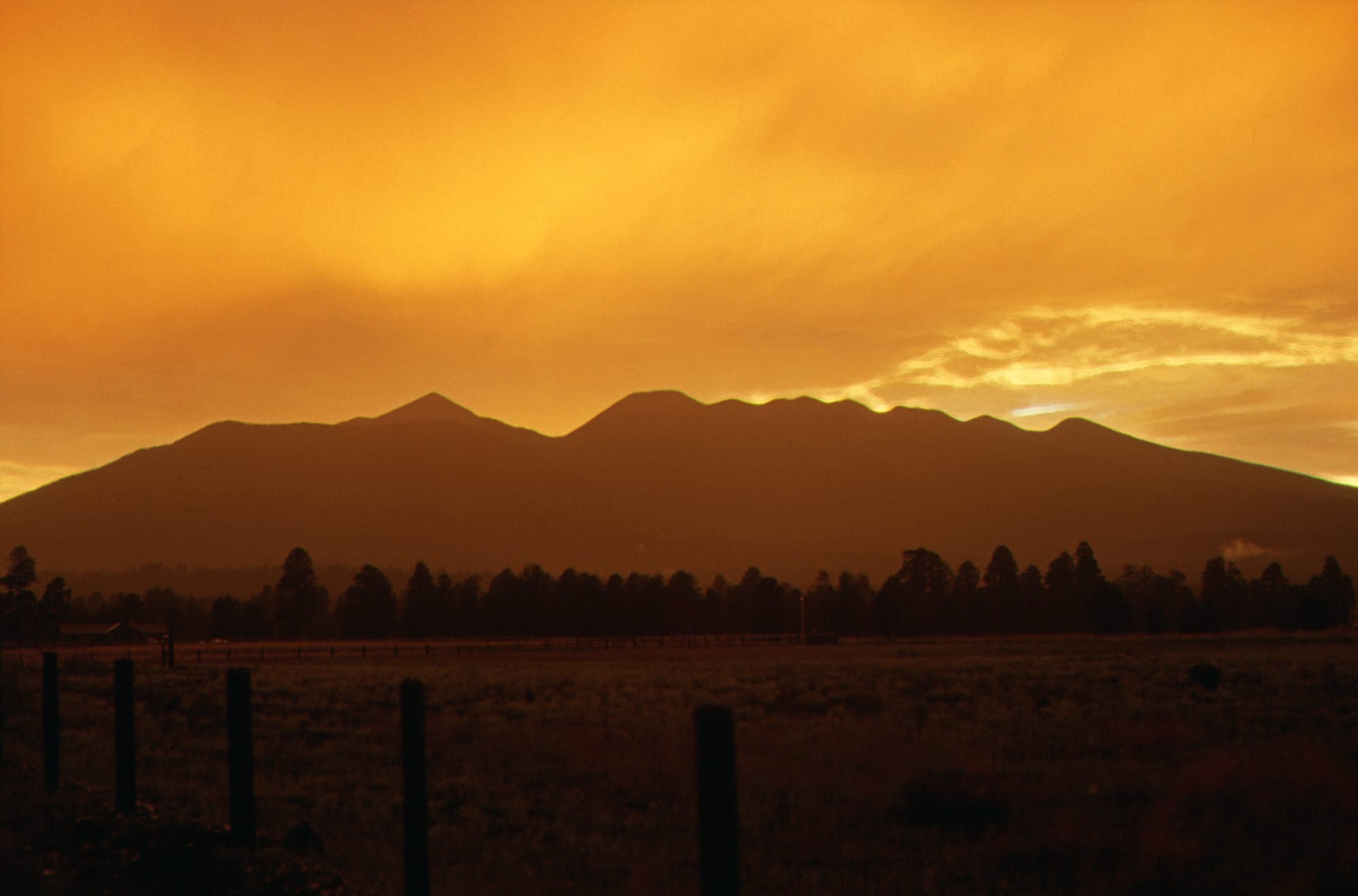
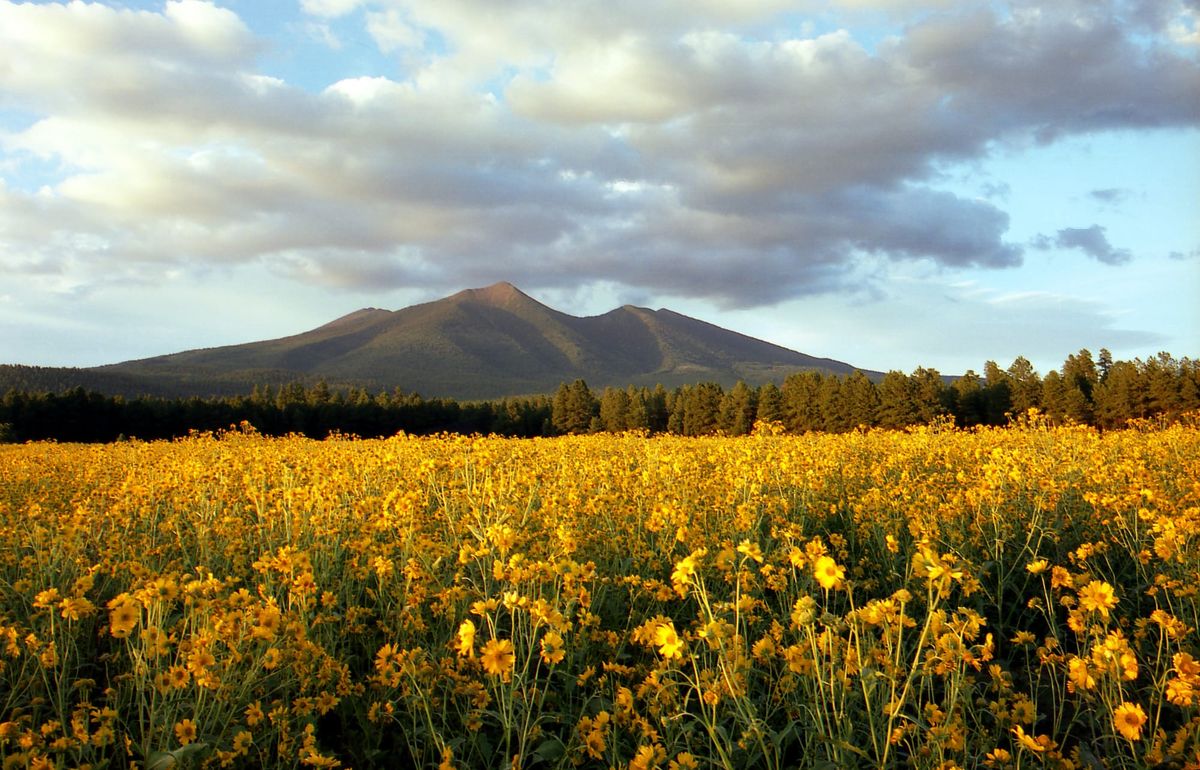
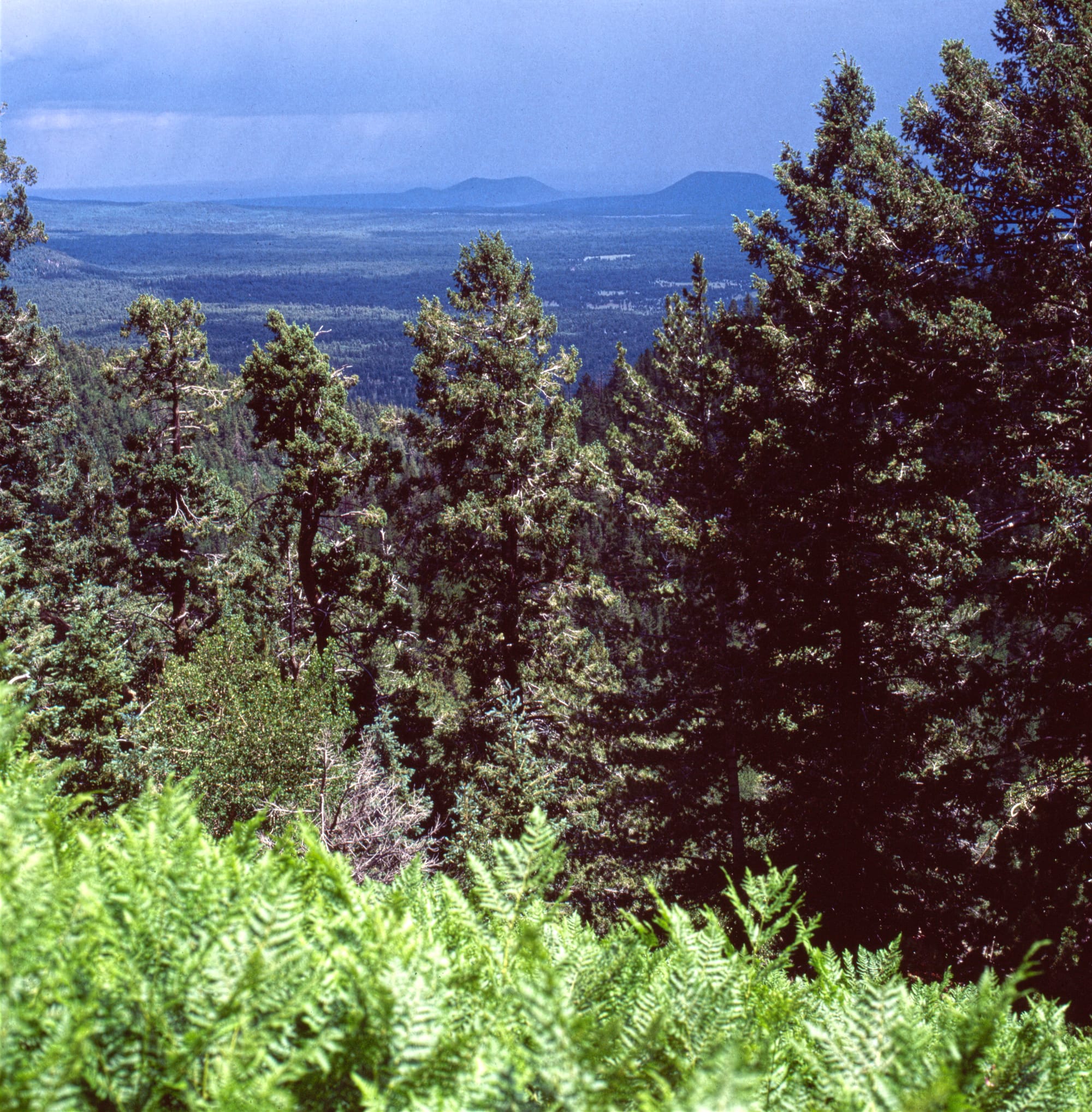
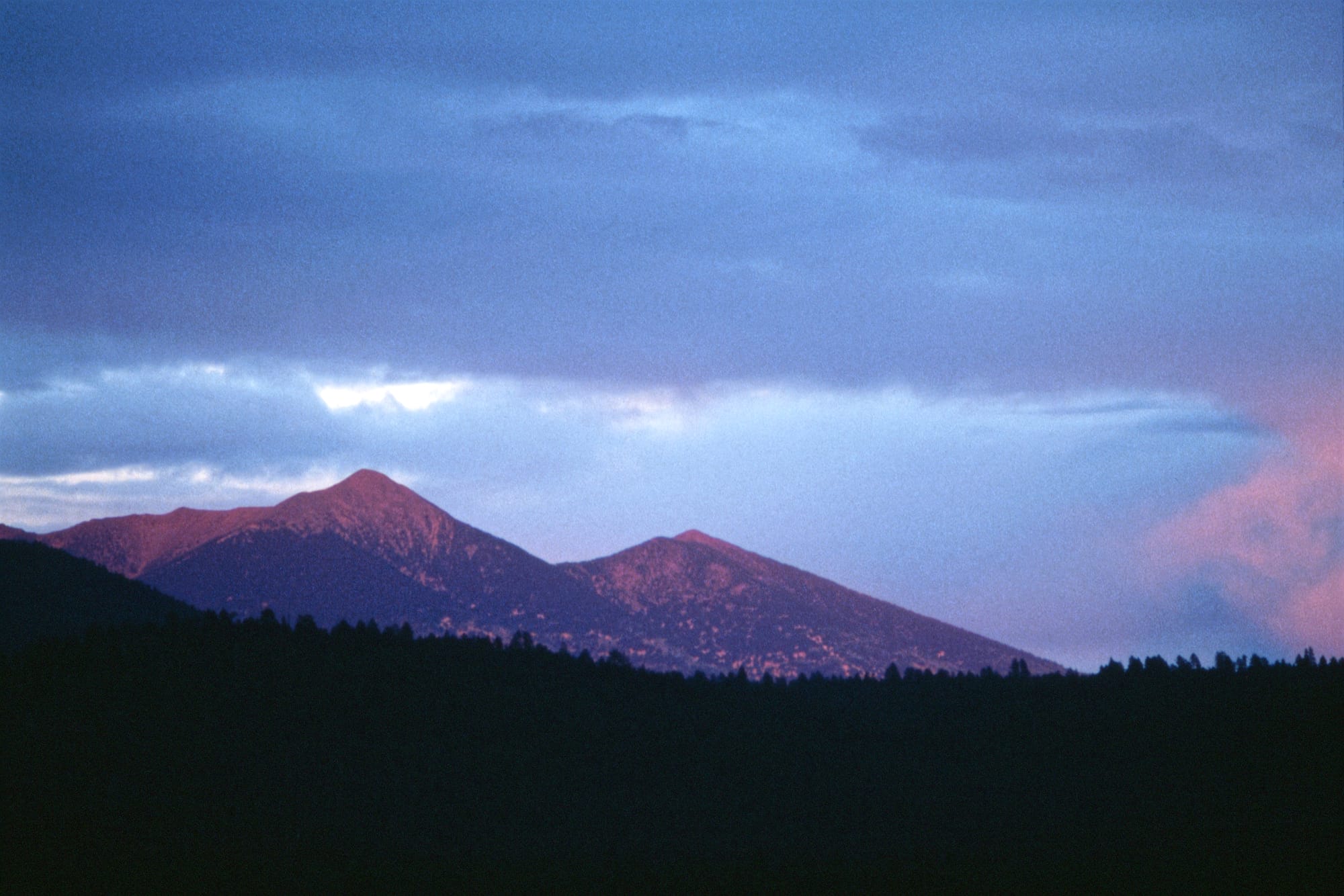
The photos in this post are from my brother Glenn who died in his thirties. He is the other half of Morse Bros Studios.
The dark clouds had swept up rapidly and soon the threat of a thunderstorm was real. From where we were it seemed like we might be able to touch the gray bottoms of the clouds. Soon there were flashes of lightning which cast our shadows on the ground despite being the middle of a bright summer day. The crack and roar of thunder was a slim instant behind the flash. Sharp and terrifying. Bits of my hair were flying up. Chuck my older co-worker and backpacking partner and I were deciding on how to find shelter at 12,000 feet on the rocky scree above timberline.
We ducked behind some tall boulders and hunkered down to wait out the storm. The wind whipped up and the rain and sleet lashed us as the lightning stabbed the sky and the mountain-top. We looked at each other and saw our mutual fear and I suggested we just descend directly down the mountainside on the talus and scree gradient. A steeper and more direct route than we had taken to get up.
Chuck was an interesting character. We met at work when I was in high school at a summer job on the local golf course at Continental Country Club. It sounds posh but was really very middle class.
In Flagstaff the local members included the guy I bought my first set of tires from, Toby King, local real estate agent Yancey Lewis, and other small business owners from town. There was another clientele that were what one might call wealthy, the businessmen and their families from Phoenix who had second summer homes in the cool pine forests to escape the oppressive summers in the Valley of the Sun.
We worked in the cart barn where the electric golf carts were kept and charged. Most of us were local high school students working a summer job. Amongst us were some the same aged kids from the Phoenix families. They were different and, in some cases, had a sense of superiority, and in others just normal young men prone to the usual underage drinking and awkwardly chasing girls.
The country club at the time was owned by the Keating family. If the name sounds familiar then yes, those Keatings. I got to know informally most of the family members through work. A rich banking family from Cincinnati, Ohio. Charles Keating would later serve jail time, he had a son who was an Olympic swimmer, and at least one daughter who caught everyone's eye whenever she was at the club. The Keating scandal very nearly cost John McCain his political career. But all that is another, very American, story.
We all worked for an old man named 'Flash' Kemmerer. Flash was a hard-bitten enigma himself. He was our boss but also for some of us, a kind of old-school father figure. He supervised us unruly kids and was in charge of repairs and maintenance which in the end he instructed us to do under his supervision.
Flash was an ex-teamster complete wth the tough demeanor, racist language, and stories. Flash had lost one finger from an industrial accident on a machine that wound baseballs. He miss-timed the automatic press and it punched his index finger off and left it hanging on a long tendon. He described in grisly and fascinating (to us) detail wrapping the tendon around his hand then laying the finger in the palm before going to the supervisor for permission to go to the hospital. He, however, lost the finger.
He later lost his pinkie and ring finger from the same hand when he was unloading a shotgun from the trunk of his car while hunting. The gun went off and those two fingers were gone. So here was a 70-year-old man with just a middle finger and thumb on his right hand. This led to some hilarious gestures, and he used the gruesomeness to great effect. He would also hold a cigarette, which he constantly smoked, between these two digits while he sat on his stool in the small shop area of the cart barn lecturing us on his philosophy of life. When not smoking, he could catch flies with those two digits.
My backpacking companion Chuck was kind of the odd man out as he was in his early to mid 30s. Chuck was also a hippy who told tales of living in San Francisco and hanging out at Haight and Ashbury. He had dark curly hair and a laid-back demeanor with an easy smile and sense of humor. He had ridden with some biker gangs before, been in fights, and was generally a worldly character for a high school kid in Flagstaff Arizona. He was charming, likeable.
He and Flash clashed often being as they were from opposite ends of a political and life experience spectrum. Flash I had guessed saw someone who could use some help and he probably welcomed a little more mature worker.
Chuck and I struck up a quick friendship at work and this led to a suggestion we go backpacking on the San Francisco Peaks. The Peaks, Mt. Humphreys specifically, is the highest point in Arizona at just over 12,000 feet tall. They are the remnants of a much larger stratovolcano that was perhaps 16,000 feet tall before some enormous blast left a ring of smaller peaks around a caldera referred to as the Inner Basin. Think Mt. St. Helens only bigger.
We decided to hike from the northern ridge; Humphreys is a pretty easy day hike if you start from the ski resort on the adjacent Mt. Agassiz. The northern route at the time lacked a trail and was a long walk up an extended ridge through dense ponderosa and Douglas fir forest. A few hundred feet from the top you break out of the timberline and then it is a rocky hike up to the summit. None of it is technically challenging, just a steep walk at altitude.
We intended to hike to the summit then find a place to camp in an adjacent saddle for the first night. This was near the end of June and so was also what we later referred to as the monsoon season; with afternoon rain and thunderstorms. The plan was to get to the top before the clouds built up.
We started near dawn and hiked quietly up the forested ridge. I noticed Chuck was wearing his same leather biker boots he wore at work. He also had an old knapsack, and I wondered how prepared he really was. We continued climbing. At various points I noticed him stumble and curse and finally asked him what had happened. He said he had a bad ankle from a motorcycle accident and the doctor said if he broke it again he may not walk again.
I am sure I must have looked alarmed but he sought to reassure me as we made our way up. I spent way too much attention to that ankle after that.
We continued up the steep slope through the thick forest. Chuck smoked and being older as well could not maintain the pace I set. We moved at his pace, though as the morning advanced it was becoming clear we were falling behind our plan of summiting before the storms would arrive.
We finally broke out of the tree line and could see better the clouds building around us. We redoubled efforts to get over the summit when the weather overtook us. This is when the rain and lightning struck with frightening intensity.
I looked down the scree slope, and we began making our own paths down. We agreed to take different routes so each could move freely of the other and not worry about sending rocks down on top of the other. There was plenty of visibility to keep track of each other if there was trouble.
By now the air had gotten much colder and the rain and sleet was being whipped upon us by stern winds. The lightning was intense and spurred our efforts down the mountainside. We went from sweating from the effort to freezing rain and wind in perhaps ten minutes.
At first, it was slow going picking a path over and around the rocks and boulders on a slope steep enough to worry about rockslides. We made rapid progress in our descent and soon the scree was just loose gravel and we could almost sprint down with giant ‘astronaut on the moon’ strides. With the lack of physical exertion and the wet and rain I was feeling seriously cold. We finally made our way below the tree-line and onto an old forest service road.
By now I was shivering violently and uncontrollably. It was quite frightening as I could not stop shivering even for a moment and it was clear it would not get better. The exposure, exhaustion, wet, and cold all conspired to break me down to this state. I understood the seriousness and took off my pack and opened it up. I needed to get something hot inside me. I was also having trouble communicating to Chuck as well because of the shivering.
I pulled out my stove and very nearly could not assemble and light it. I was determined because I felt like I needed to see if this was possible by myself. I got the stove lit, a pan filled with water and dumped some instant chicken noodle soup into it. Soon the water was boiling, and I shakily poured myself and Chuck a cup.
We drank it quickly as soon as it cooled enough. Being out of the wind in the shelter of some aspen trees and the warm soup inside meant we quickly felt much better. We snacked on some trail mix before heading down the road and further down the mountain to my truck. We called the trip off at that point and went home.
I honestly don't recall how badly off Chuck was but looking back I recalled his wet t-shirt and he seemed to be in the same bad shape as I was. His laid back view of life meant he didn't really have the same sense of fear, or perhaps it was a lack of awareness. We were fine in the end. We didn't panic and managed to make a few good decisions in our favor. It was hardly 'Touching the Void' material but care and caution were warranted.
I often wonder what happened to Chuck. He was one of many interesting people who has intersected my life on different occasions. He left that summer on his wanders through life. Quite in opposition to my own carefully planned life.
As for Flash he died a year later of esophageal cancer. Many of us who worked for him cried with the news. He was a tough old racist bugger but for most of us formative in some ways and for those in broken homes an important father figure and in his own rough way was part of how some of us found our way to becoming men.