CSKT Bison Range
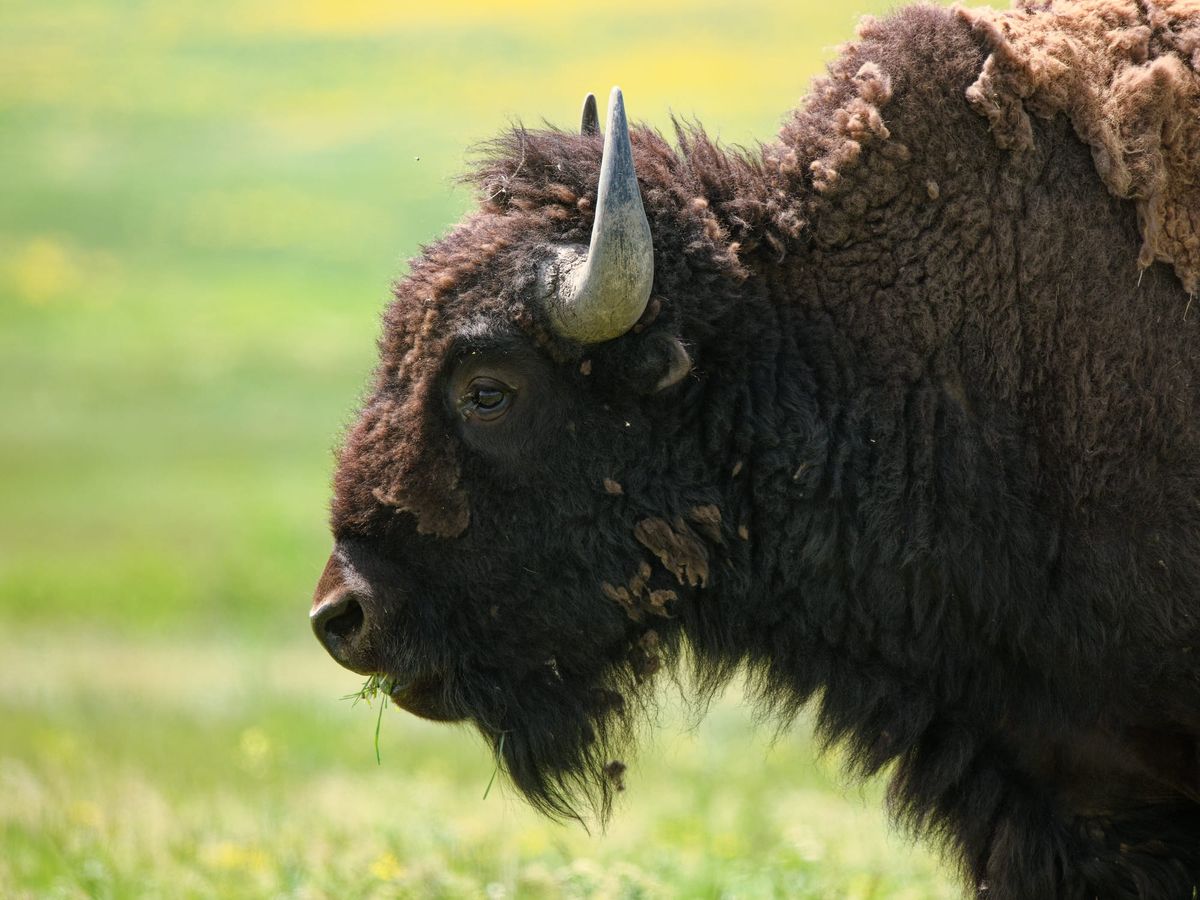
We live at one end of ‘The Road to the Buffalo’ as the Inland Salish tribes called it. The route follows the Clark Fork of the Columbia into the plains of Montana where they would hunt and dry buffalo meat to take back home for winter. 'The Road to the Buffalo' only existed after the horse arrived to the Inner Salish tribes.
(In the US we tend to use the terms buffalo and bison interchangeably. They are technically bison (bison bison) though.)
The horse radically changed the livelihood of the Inland Salish; but being from a mountain geography not quite in the same way as the plains Indians. They used the horse to move out to the plains where the buffalo provided a rich store of meat and hide to transport back to their homelands. The horse allowed them to haul the hides and dried meat in greater quantities as well as to hunt them on horseback with a bow and arrow. It also brought them into more contact and conflict with the tribes along the way like the Crow and Piegan.
The Inland Salish are the tribes of the inner northwestern US whose languages are related to each other and the coastal Salish tribes. Here the CSKT means the Consolidated Salish and Kootenai Tribes. The Anglo names also include Flathead, Kalispel, and Pend d'Oreille tribes. The reservation here in this part of Montana is called the Flathead Reservation and the Flathead River flows through the reservation and eventually joins up with the Clark Fork of the Columbia River.
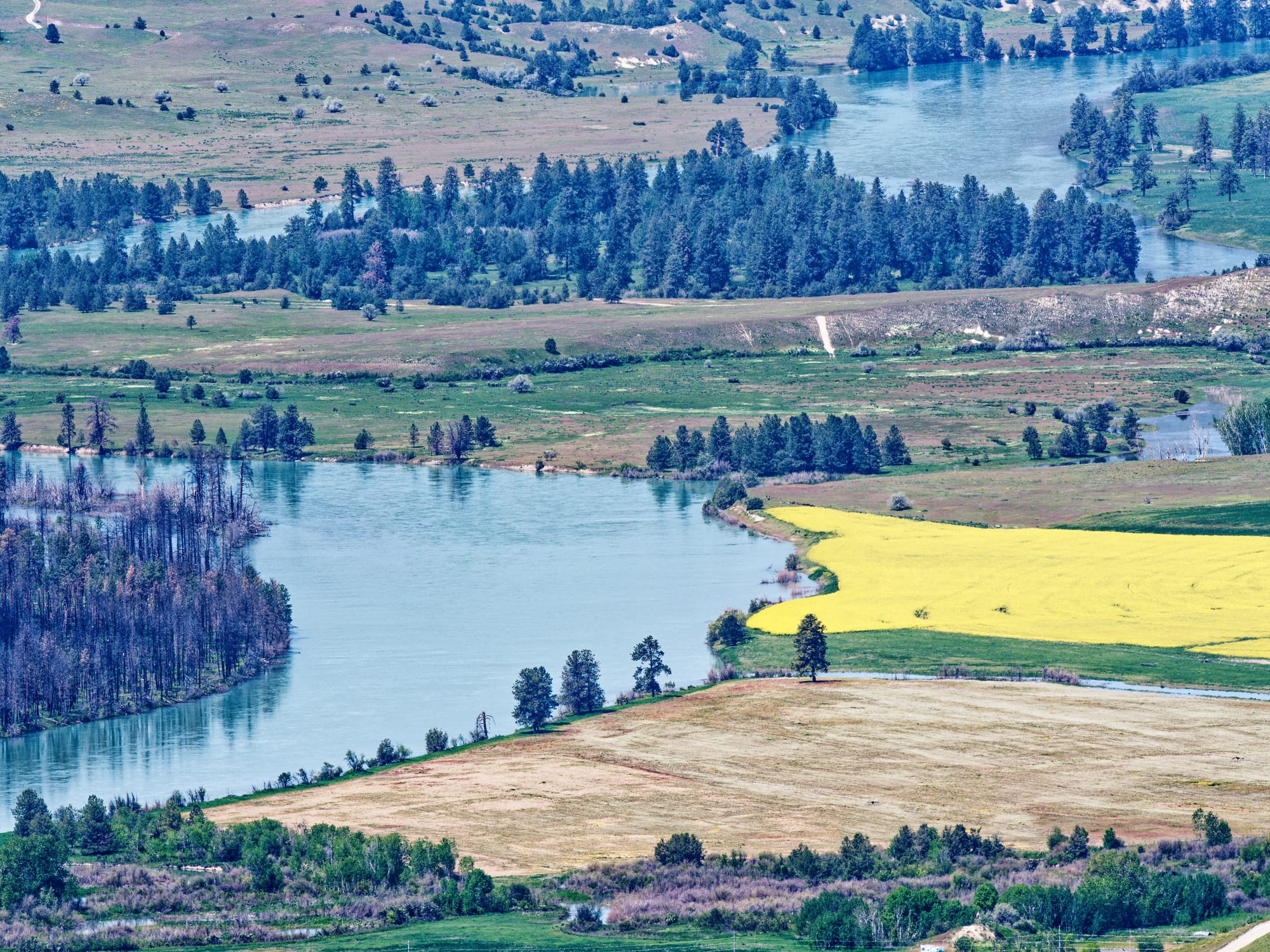
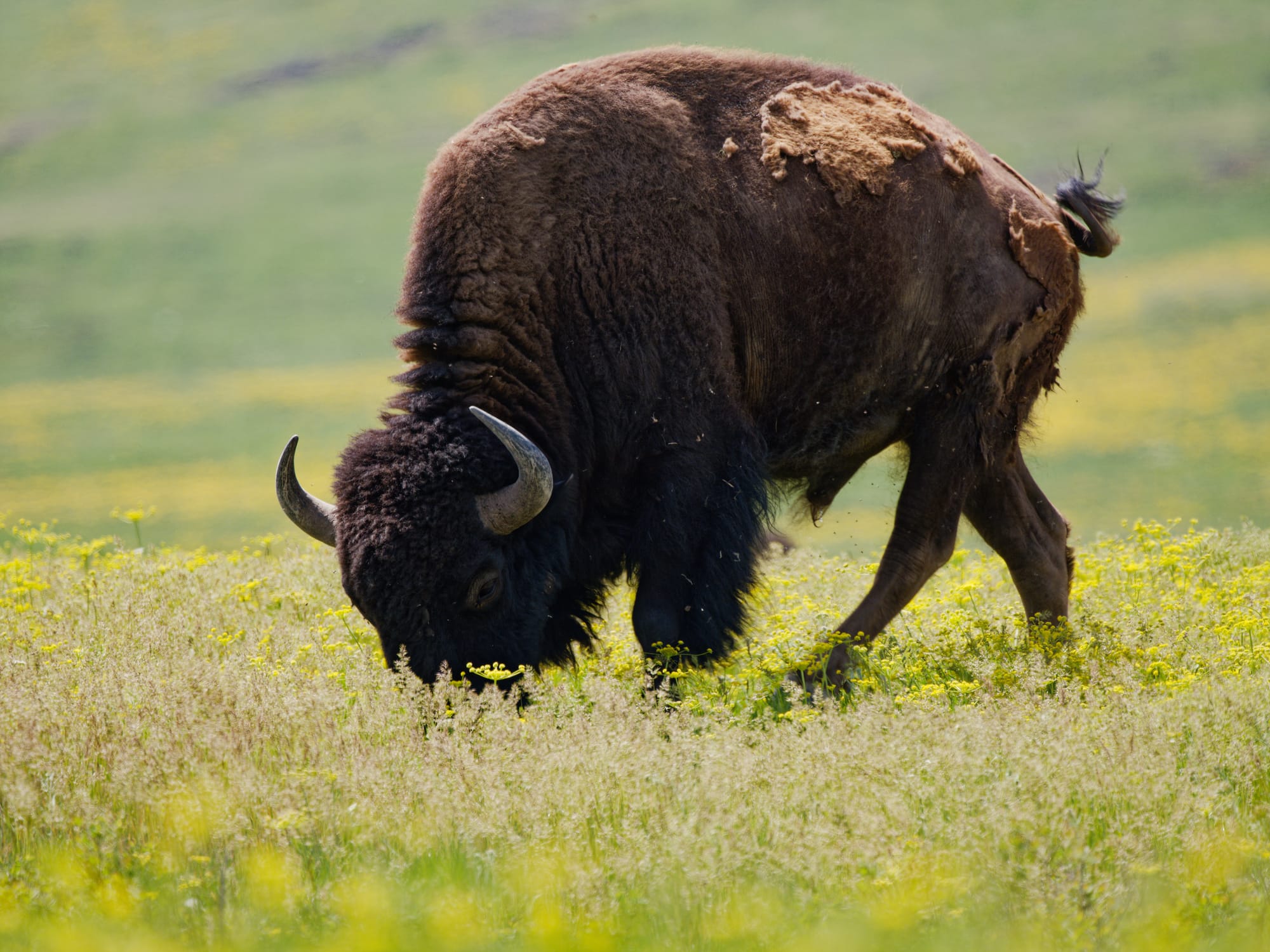
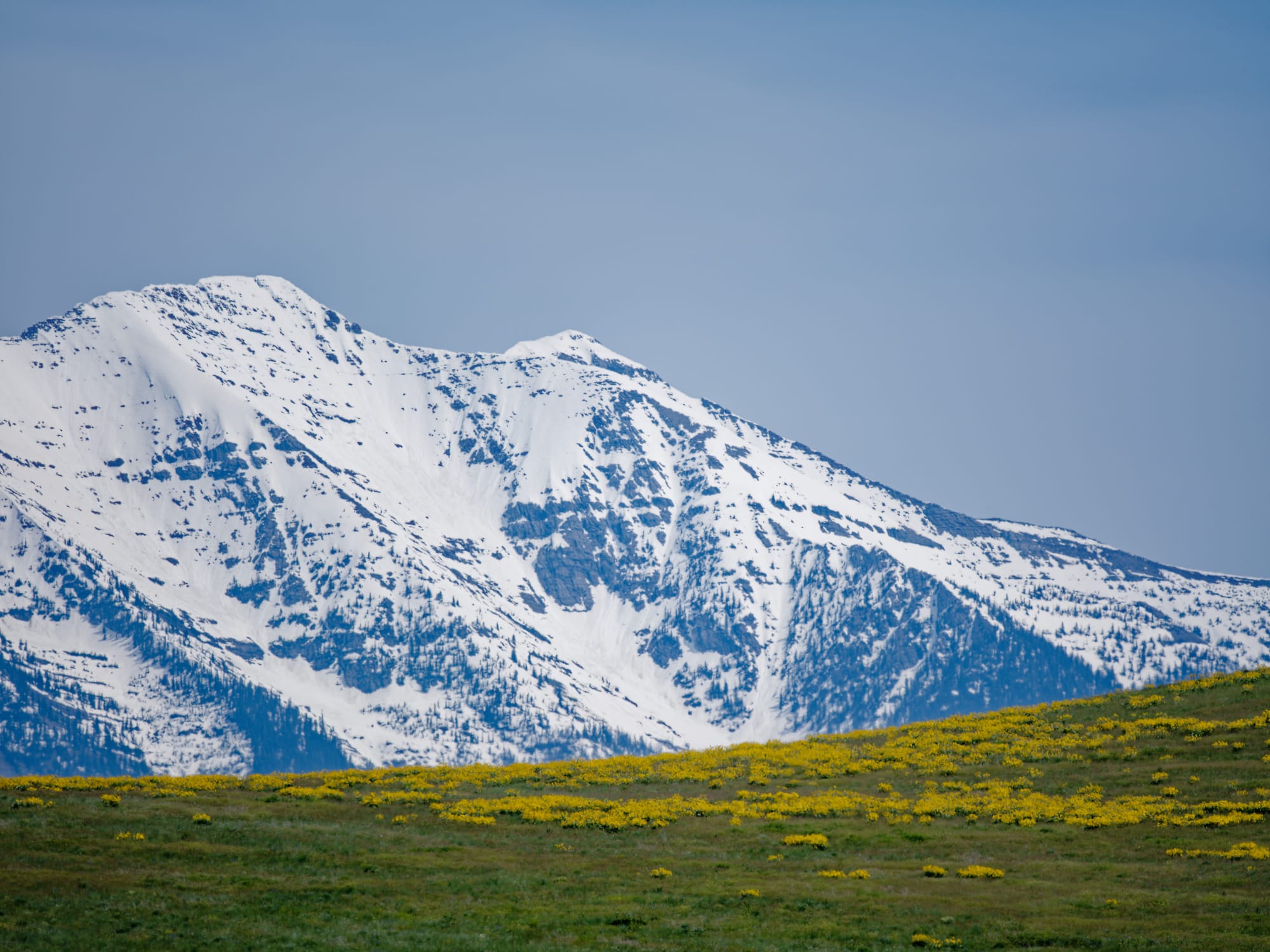
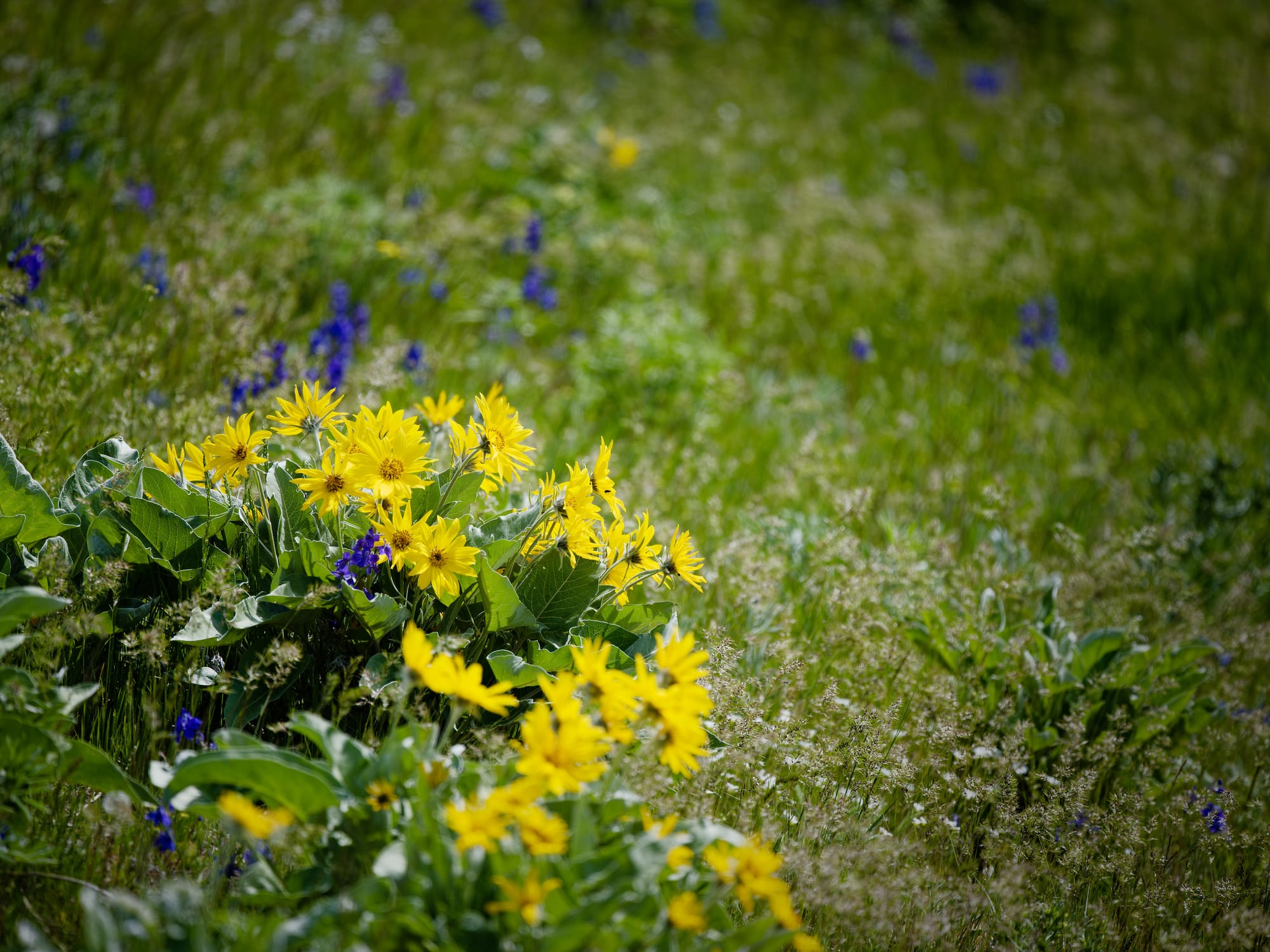
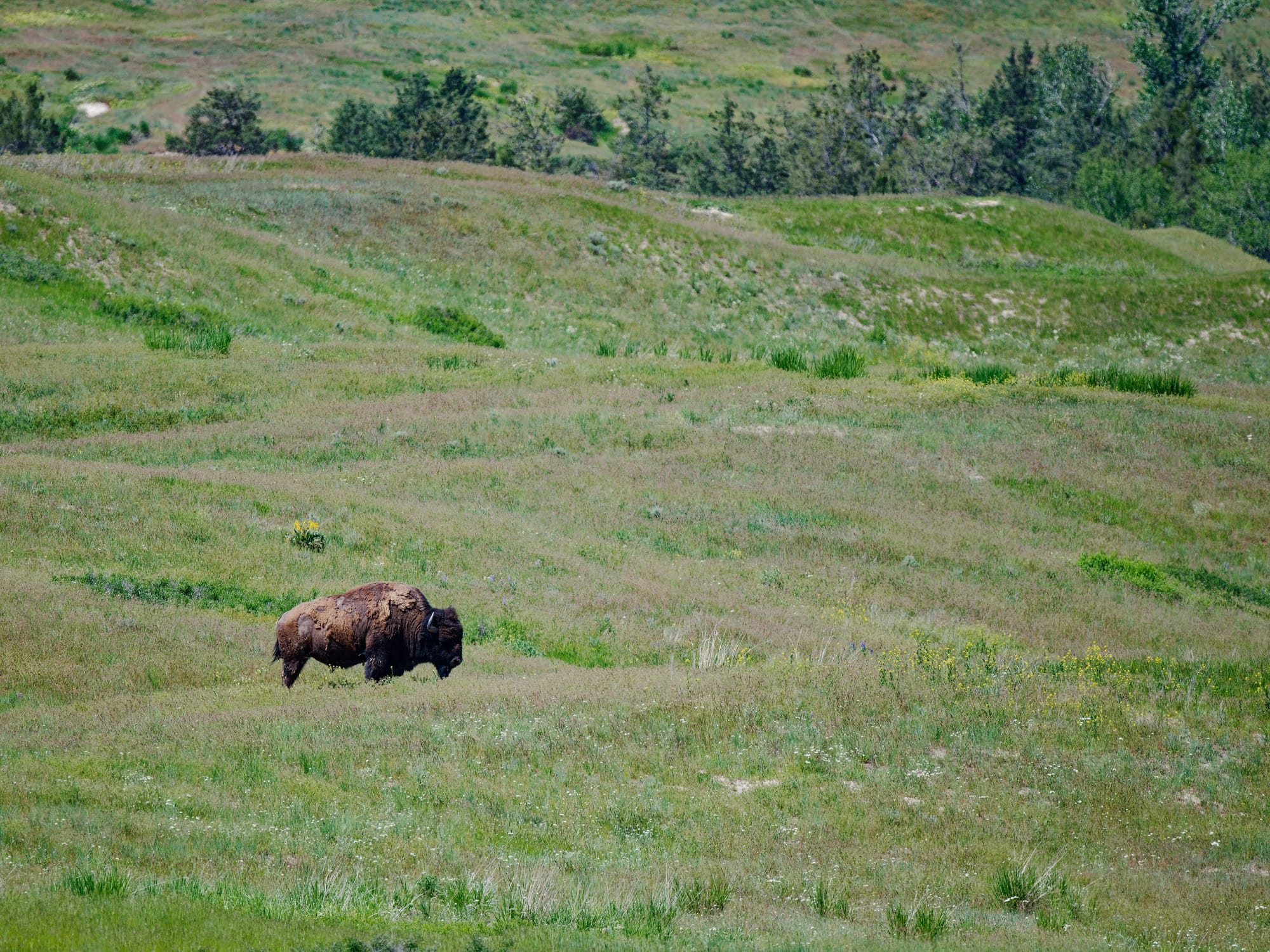
Top left clockwise: Flathead River in full spring flood, Grazing Bison, Bright yellow Arrow-leaf Balsamroot feature across the hillsides, The Mission Mountains emerge behind the hills of the reserve.
As many of us living in the West have become accustomed to, the story of the Bison Range is no different than many Indian lands promised in treaties. The 1855 Hellgate Treaty created the Flathead Reservation but later the tribe was forced onto small, fixed allotments as was done elsewhere in the country with the Dawes Act. The remaining land was then sold to American and European settlers. Since the Indians preferred the hunting land near the mountains this meant the valley floor was taken by the settlers for farms. This inevitably led to conflicts over water rights and trespass. This is why the Flathead valley is a patchwork of private land ownership within the boundaries of the reservation itself.
Fortunately, if you follow the ‘The Road to the Buffalo’ today, you are not too far from CSKT Buffalo Preserve where Little Falcon Robe in the 1870’s brought orphaned buffalo across the continental divide to form a herd for subsistence and conservation even as the last of the bison were being slaughtered. This became the largest surviving herd after the 1880s. Some of these animals were used to supplement the dwindling herd at Yellowstone, after much of their land was forcibly sold to the government.
You can learn more here...
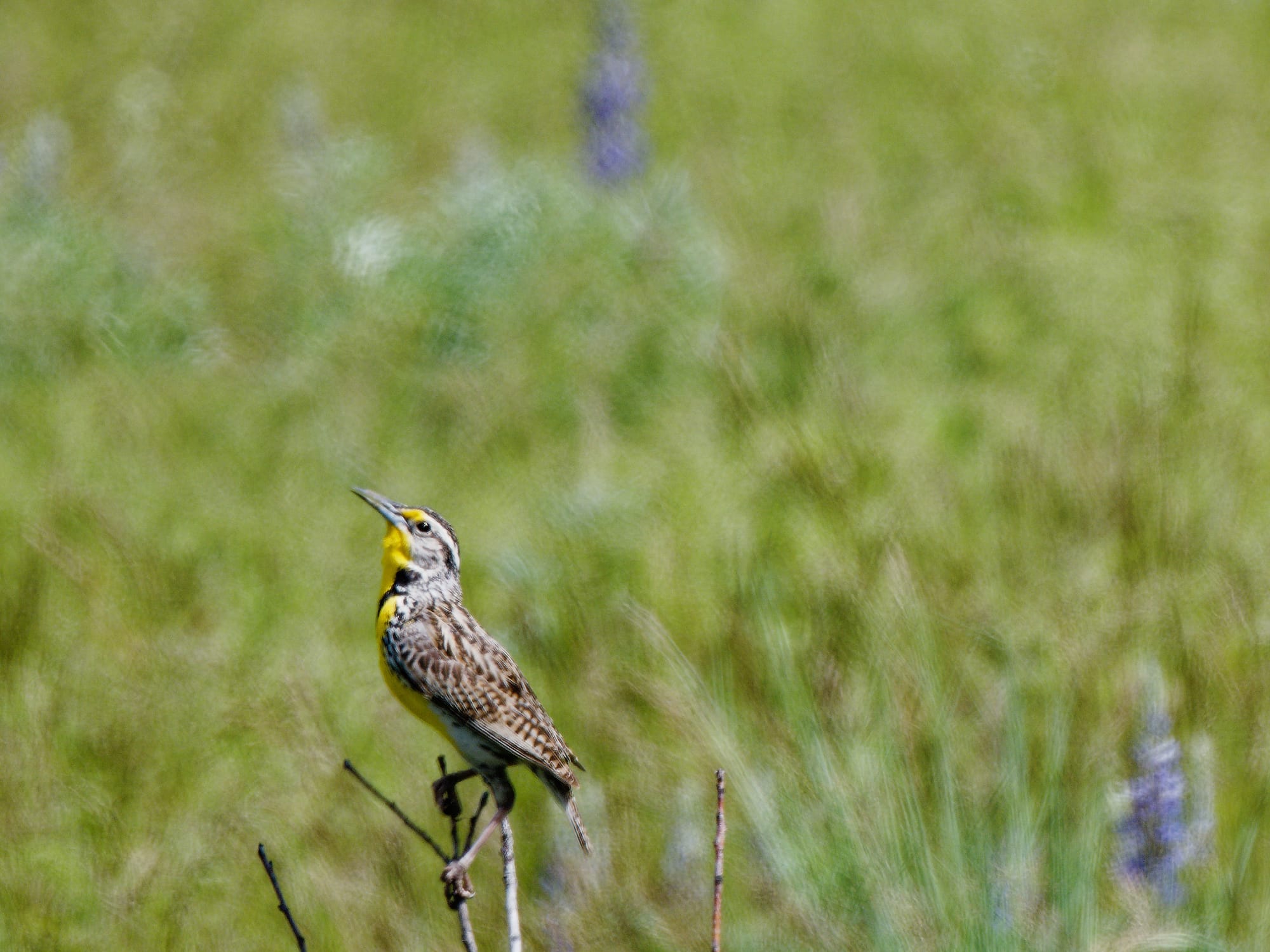
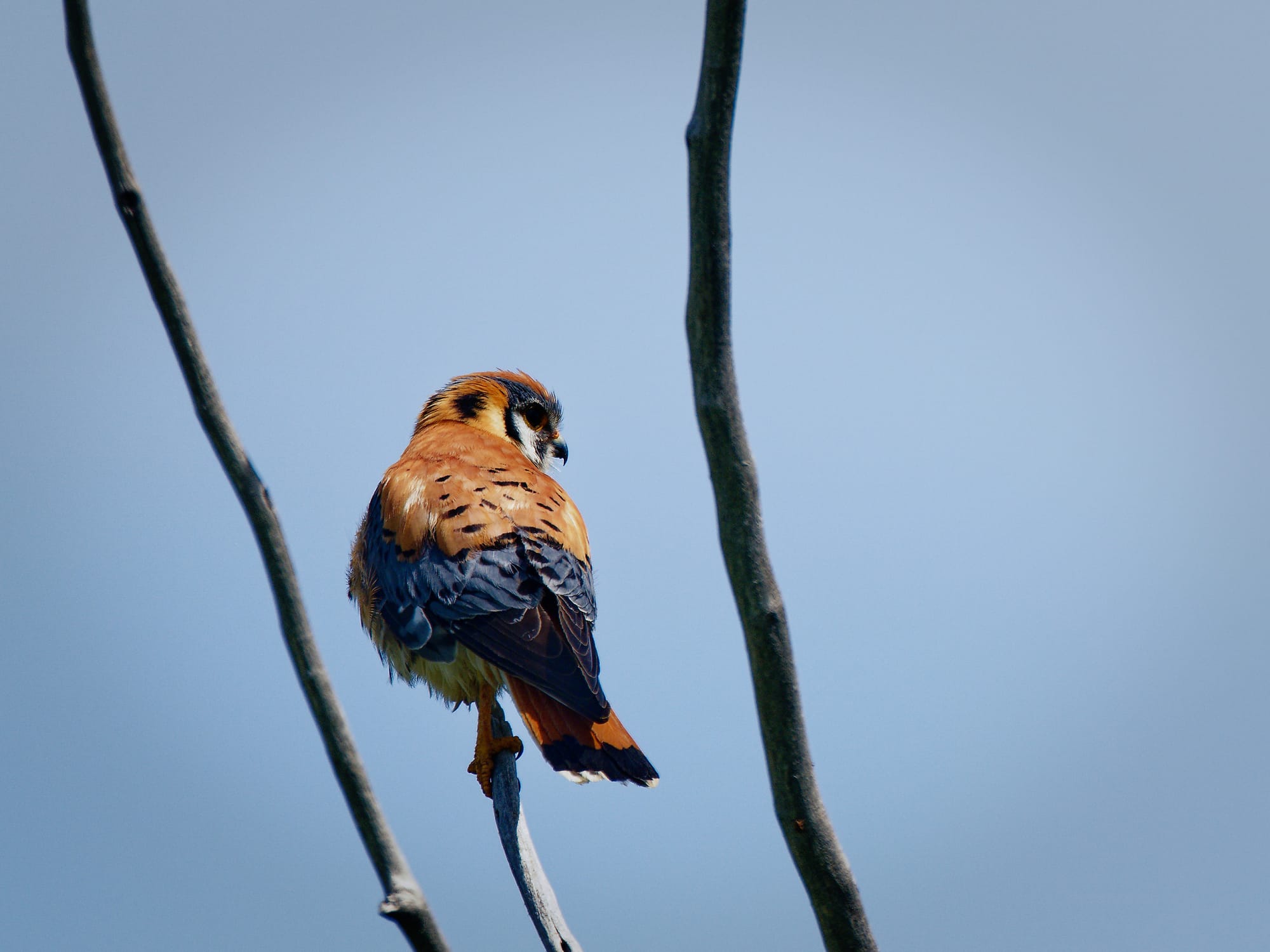
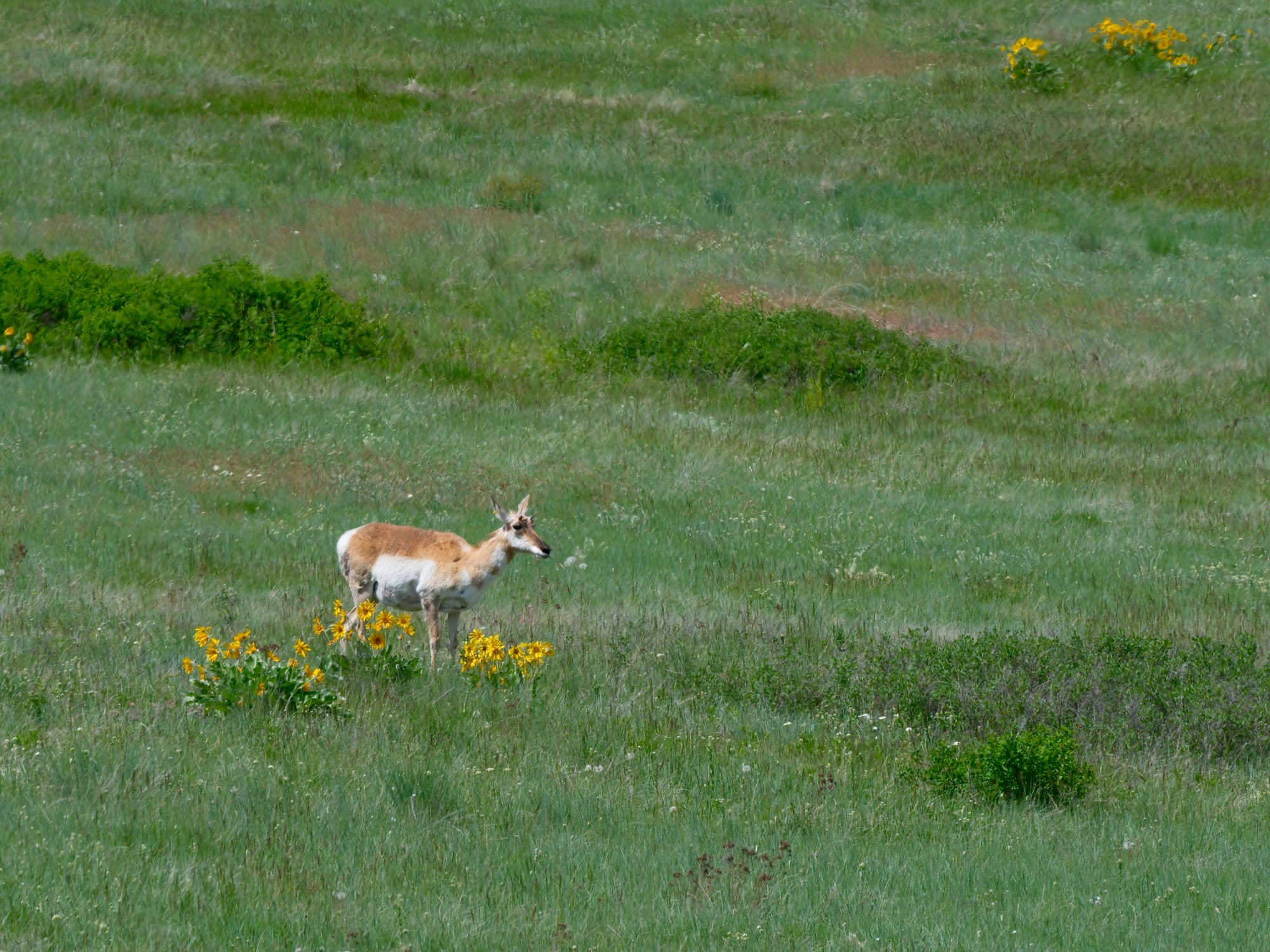
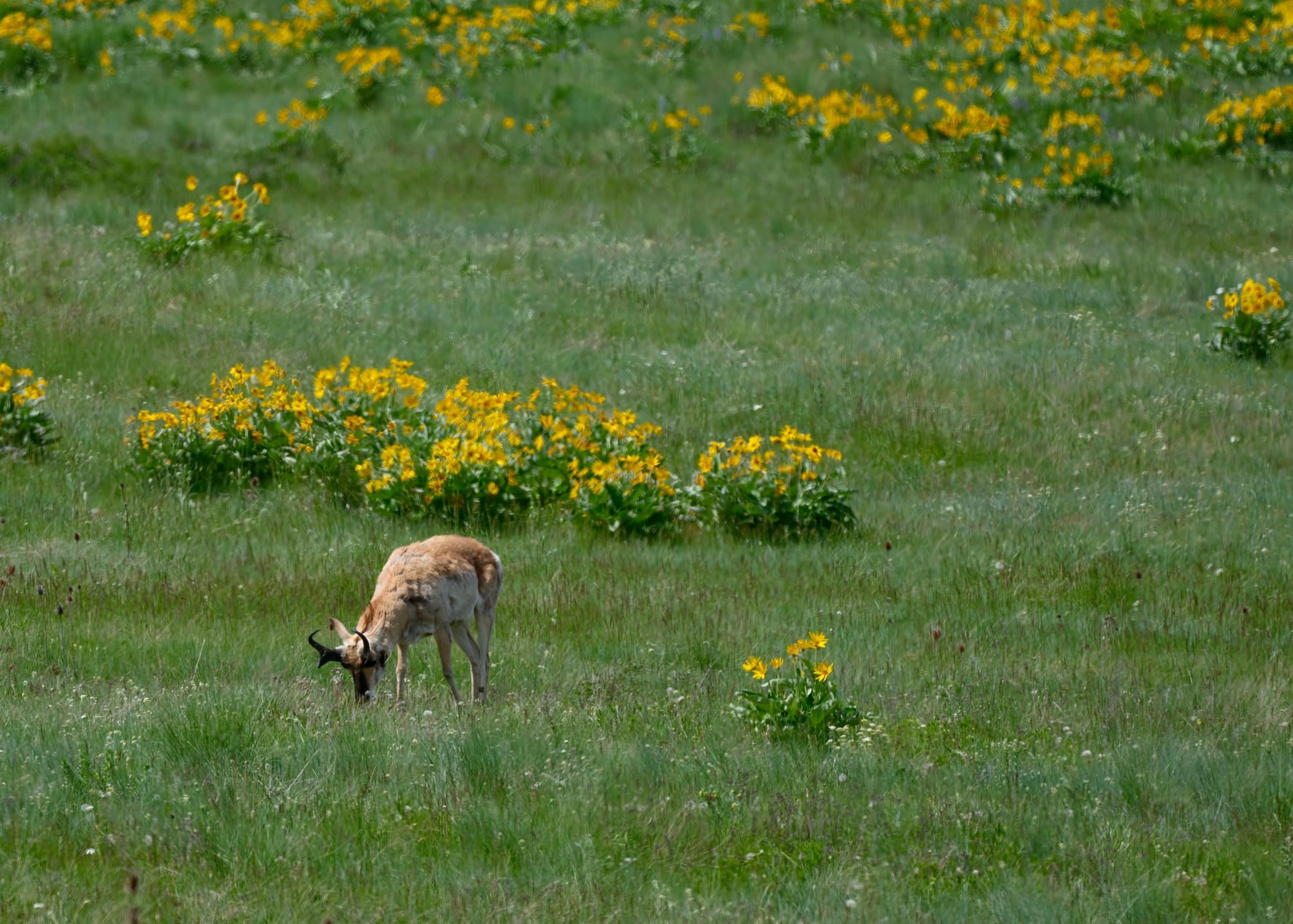
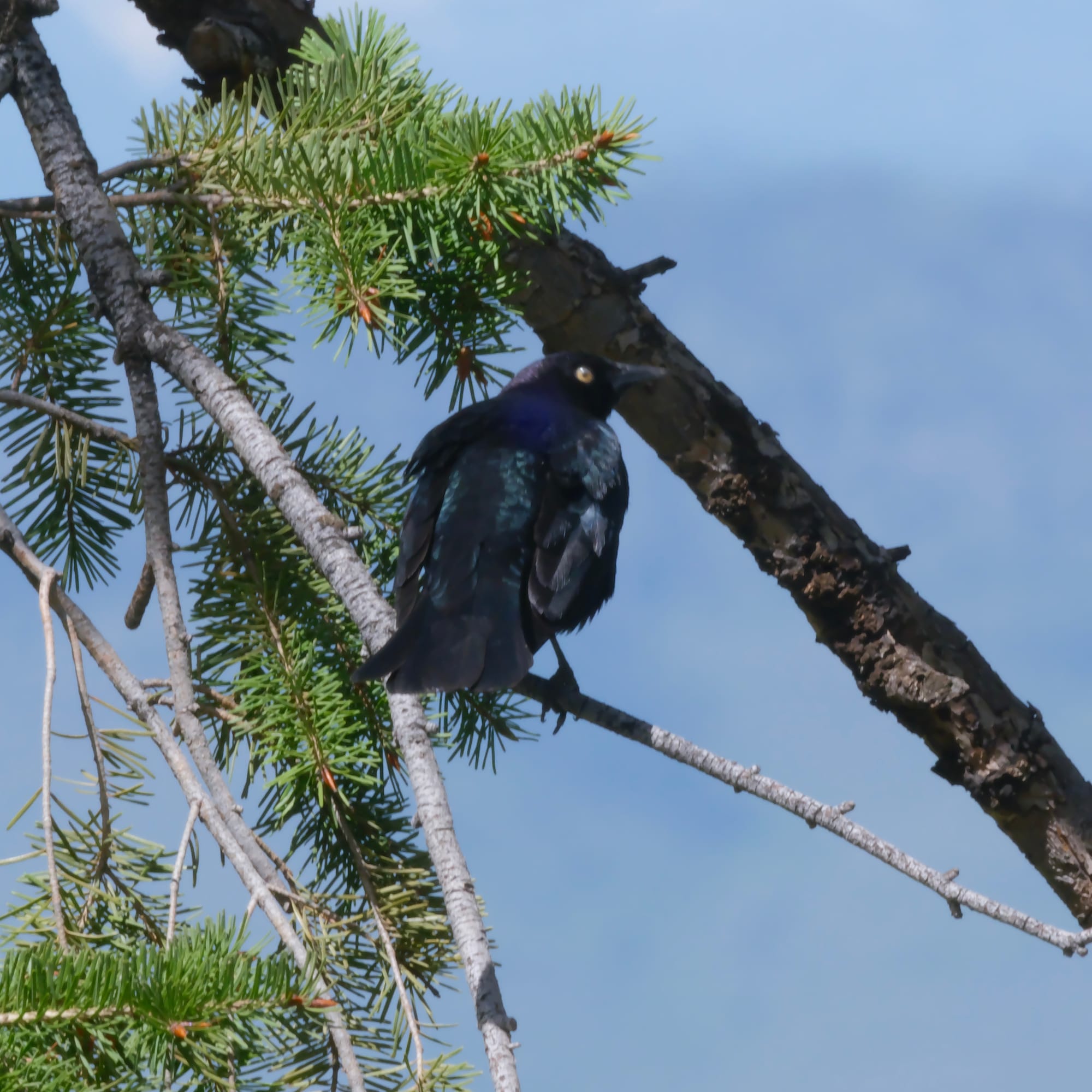
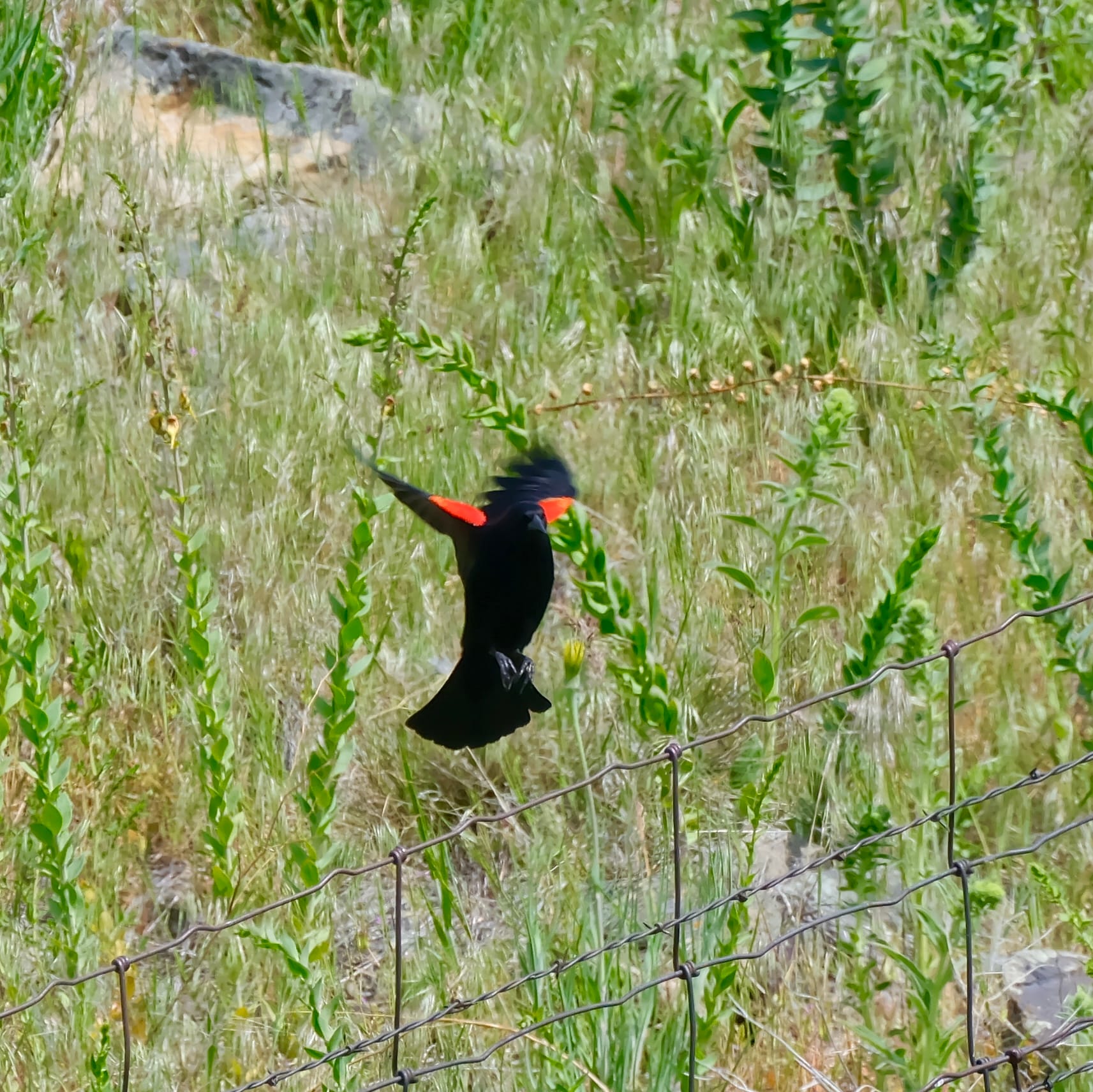
Top left clockwise: Western Meadowlark, American Kestrel, Pronghorn Antelope (female), Redwing Blackbird, Brewer’s Blackbird, Pronghorn Antelope (male),
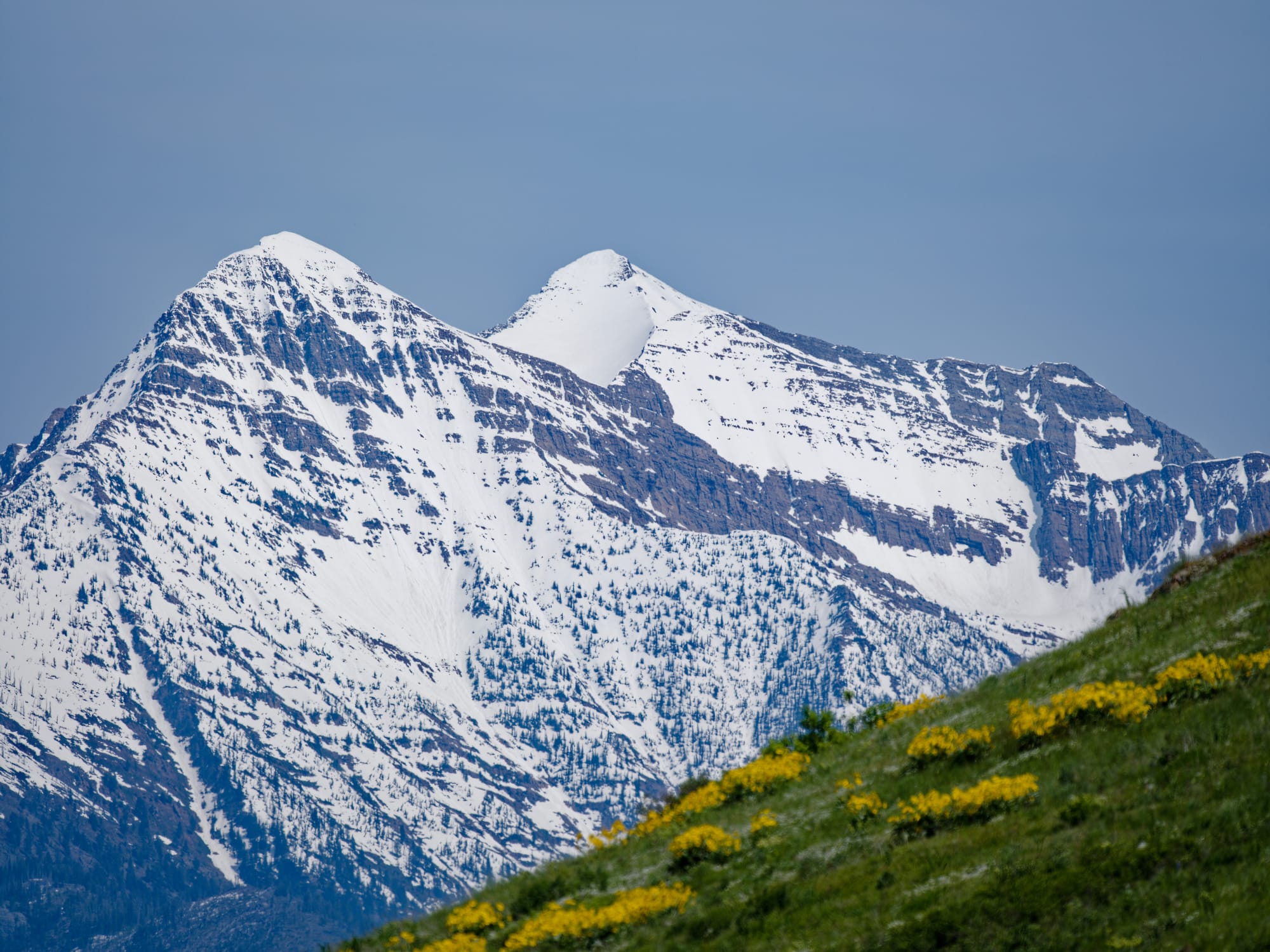
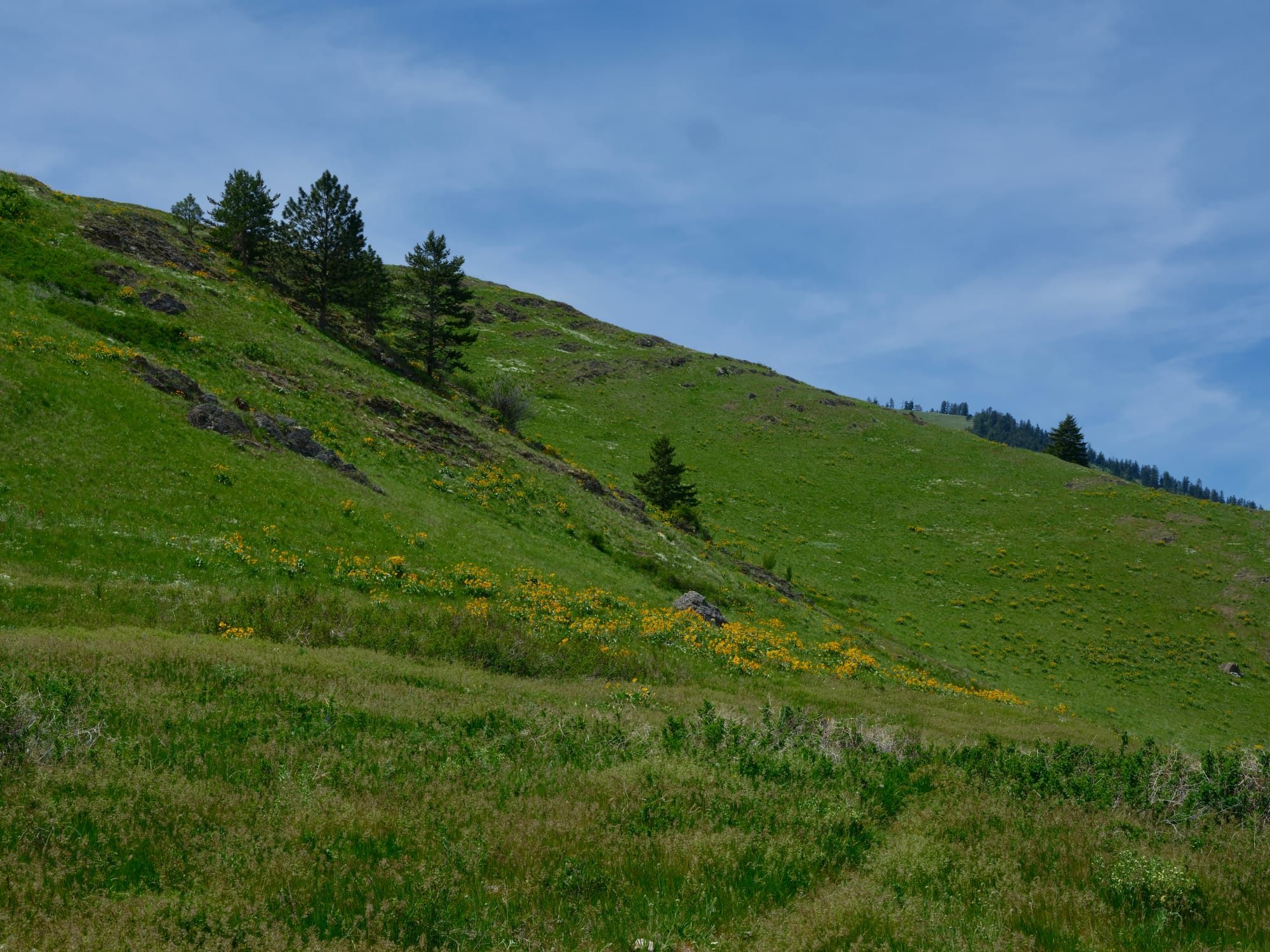
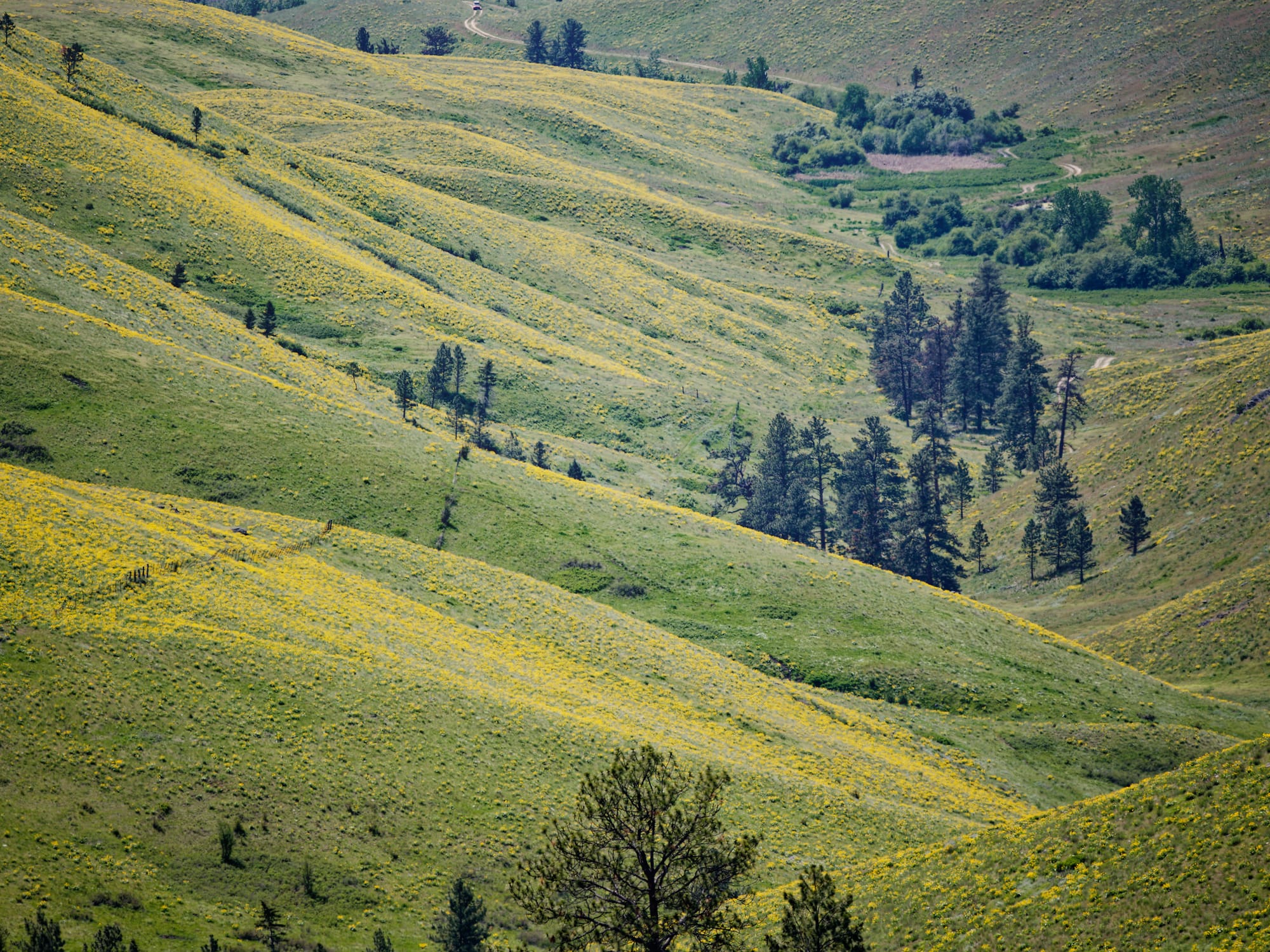
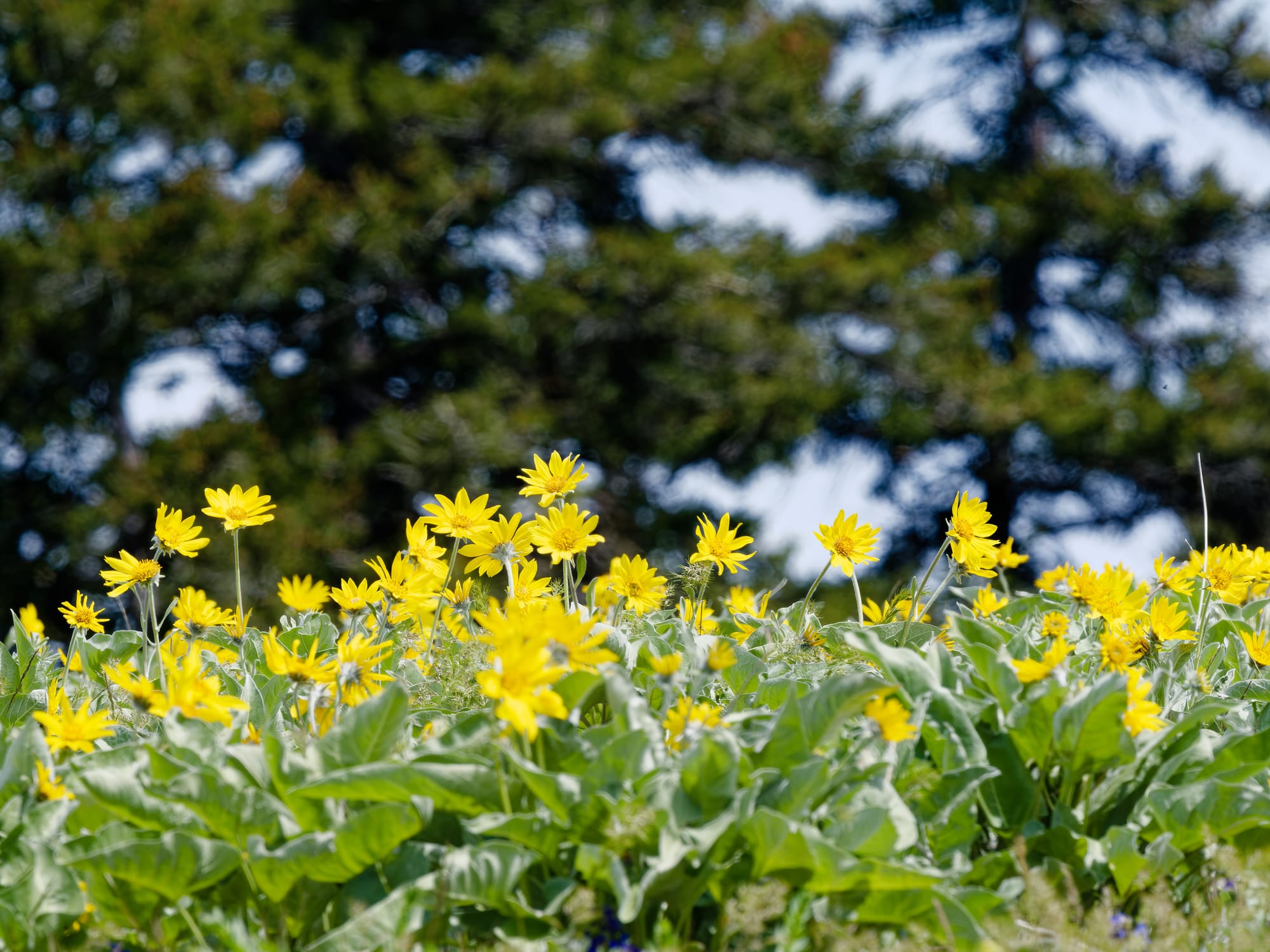
Various views of the Bison Range
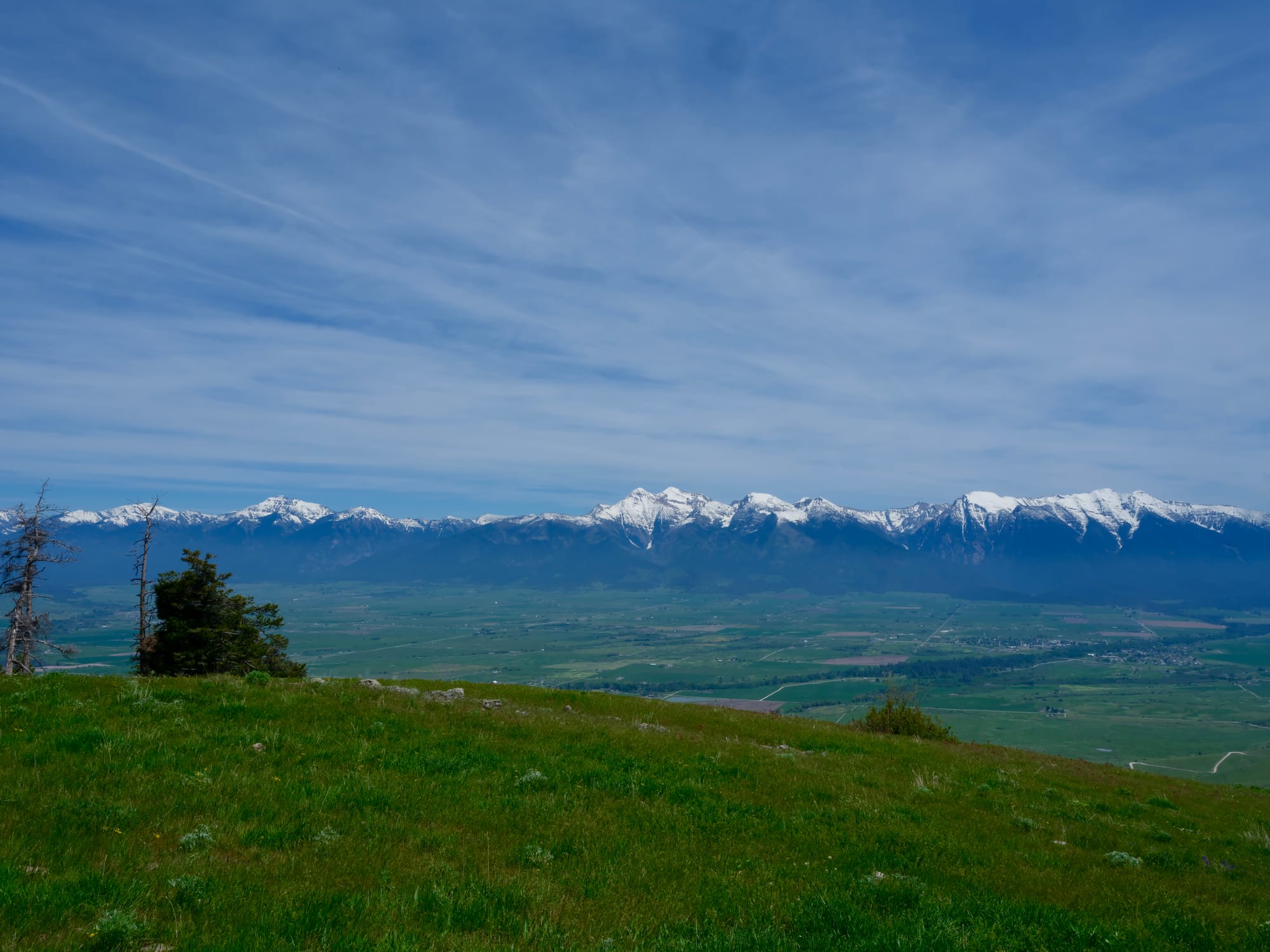
The Mission Mountains sit prominently to the east of the Flathead valley and form the eastern end of the reservation itself. Part of them are protected as part of the first wilderness designated area on a Native American reservation.
They are called the Mission mountains because of the small town of St. Ignatius that sits in the valley just below the mountains. Here a Jesuit priest established one of two missions (the other St. Mary's further south in the Bitterroot valley) in 1854.
Local Salish tribes invited the priests, or black-robes as they called them, and wanted to be converted to Catholicism. They had seen how powerful the white men's gods were that they were given such things as iron and tools and other technical advances. They also thought that immunity to the new diseases might be conveyed by belief.
So, a number of them joined fervently and tried to comply with the catechism as it was taught to them. Alas they did not see the benefits they expected from the new gods and most eventually converted back to their native religion.
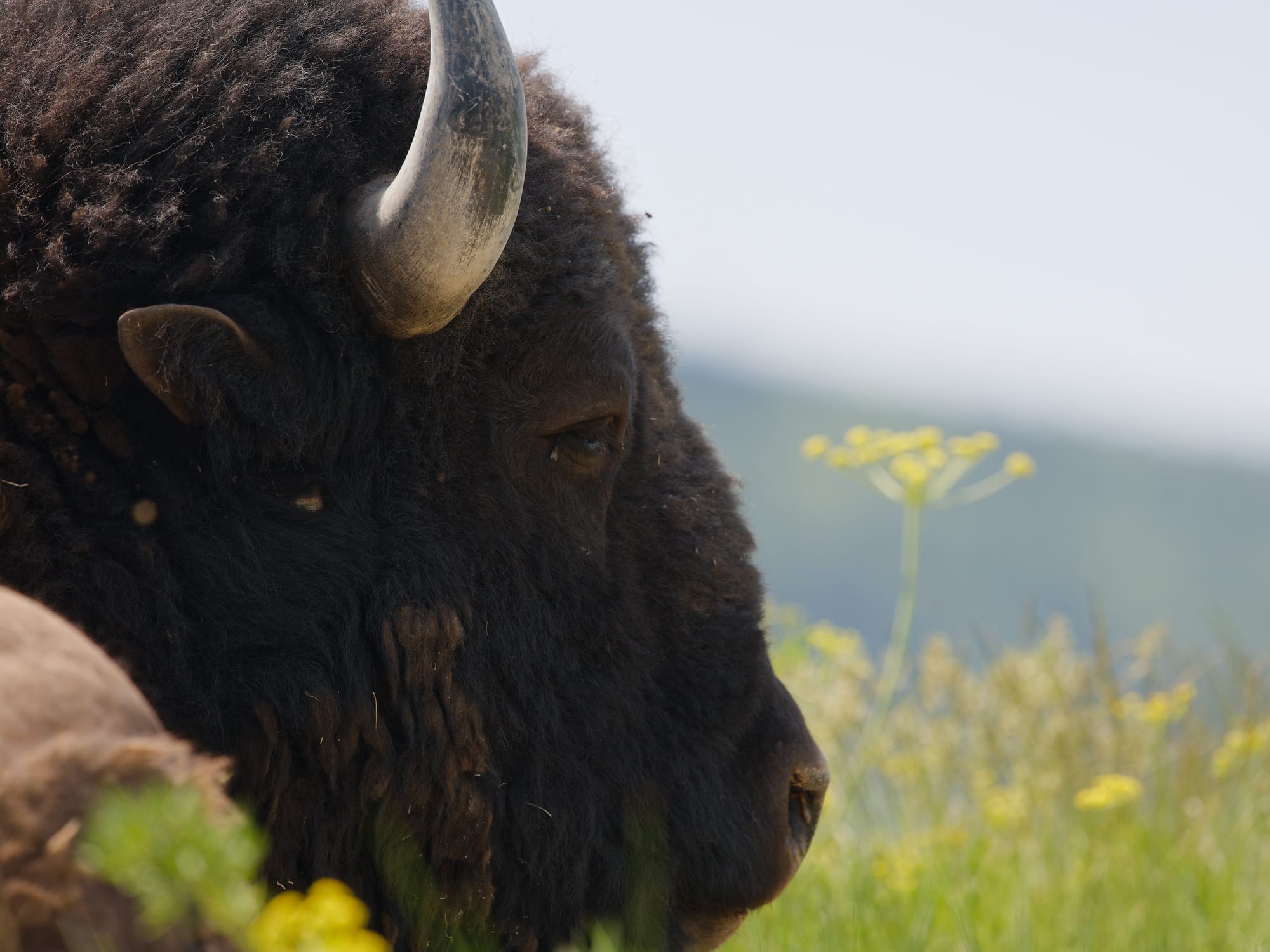
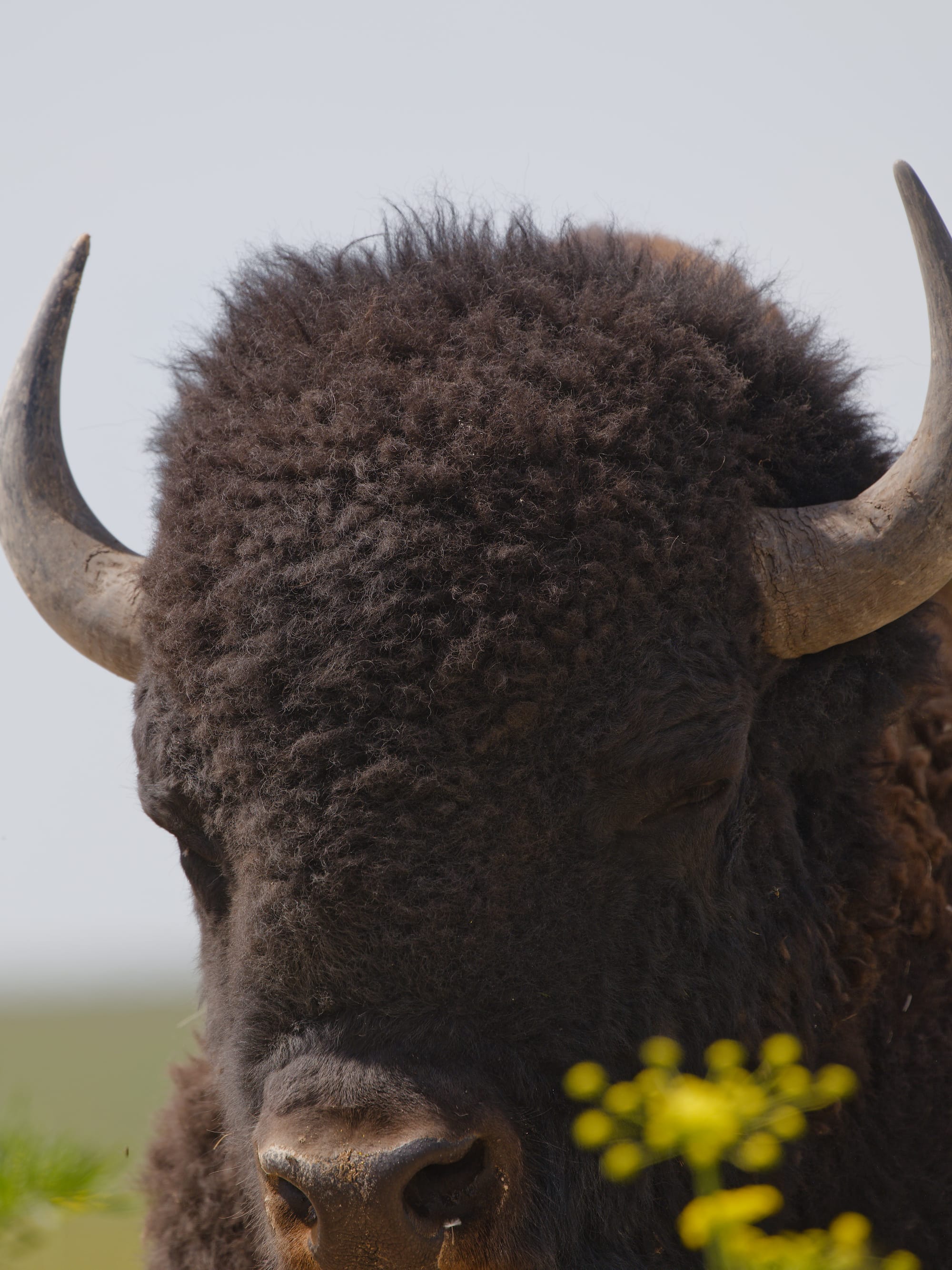
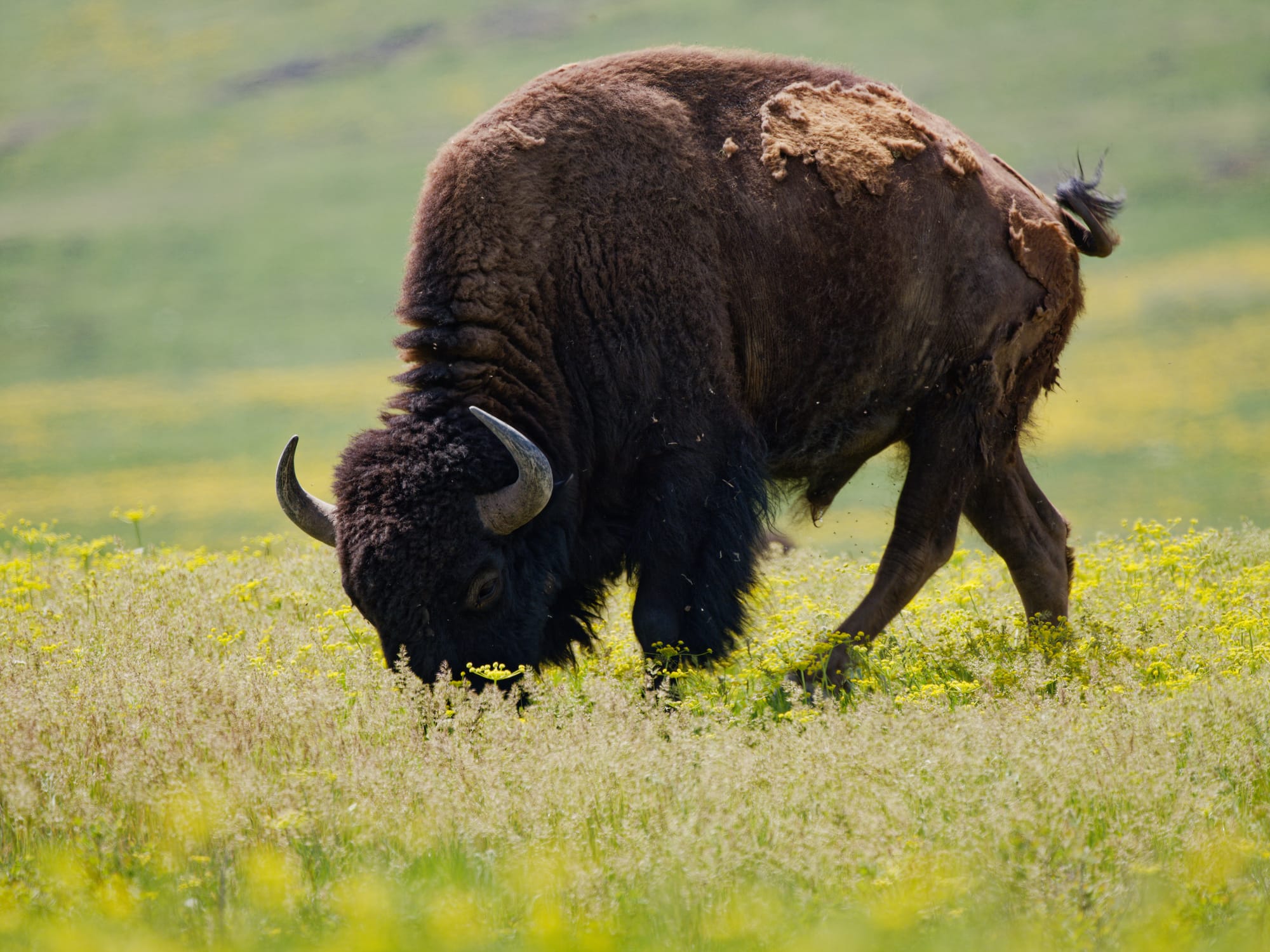
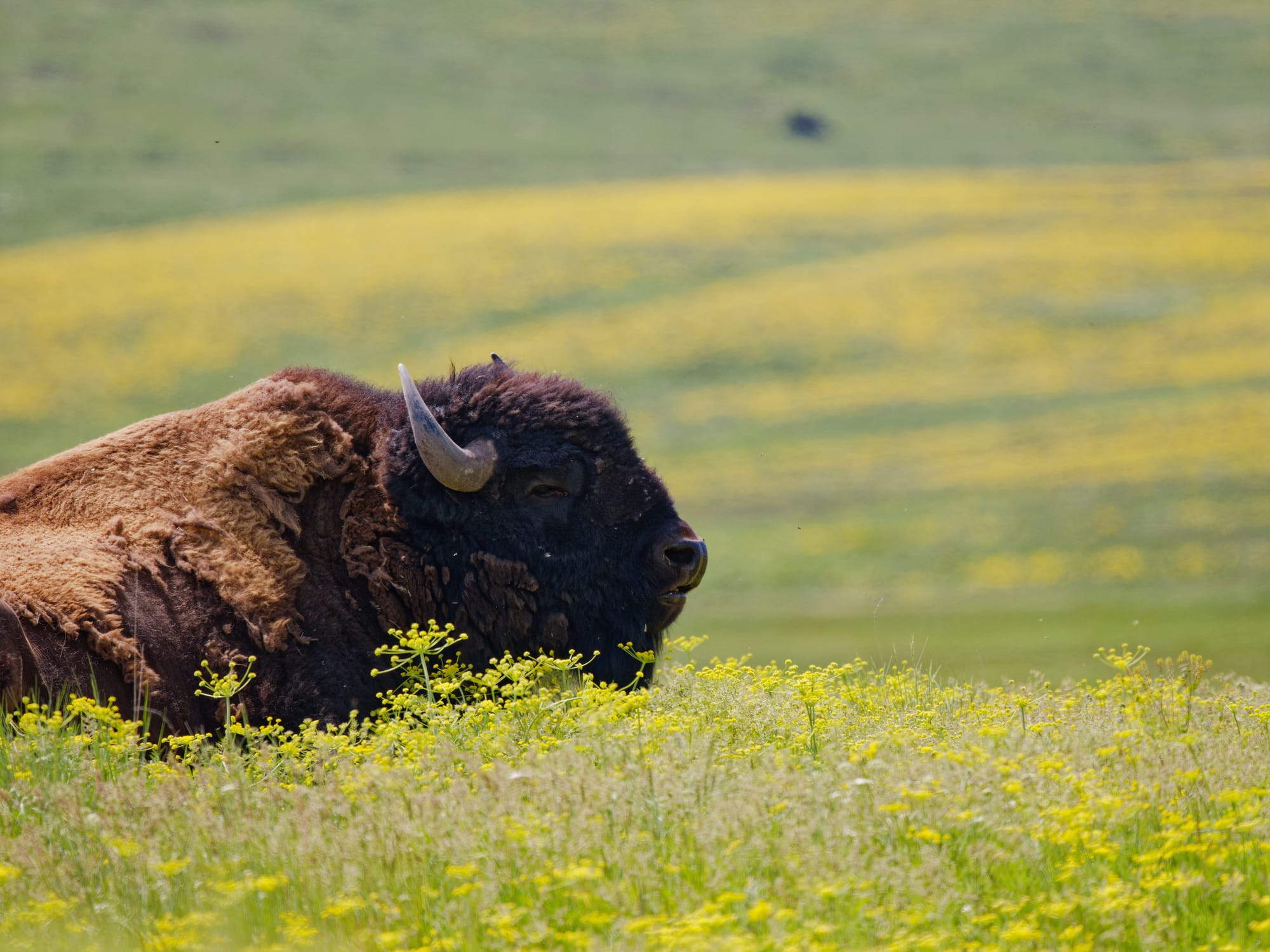
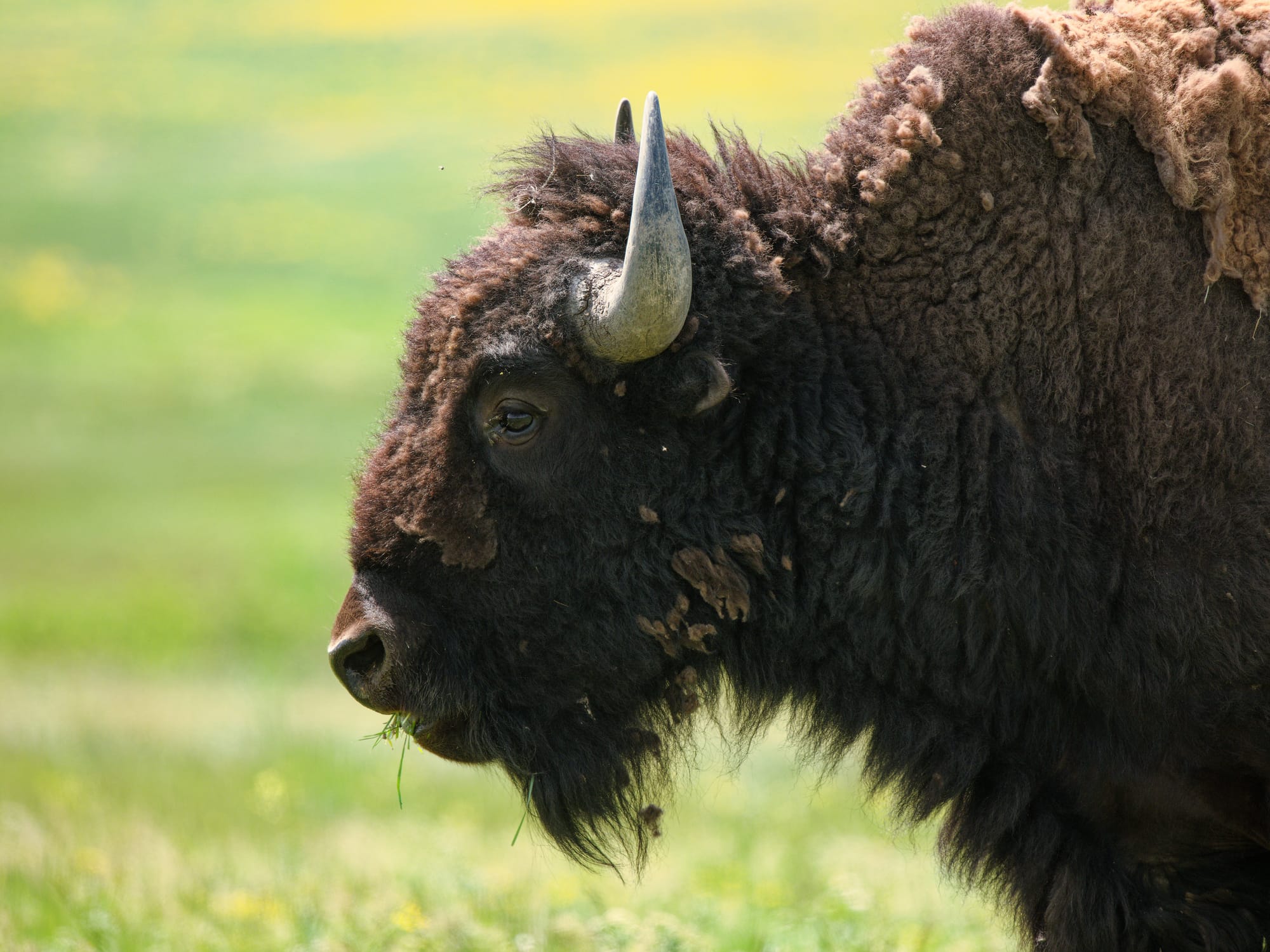
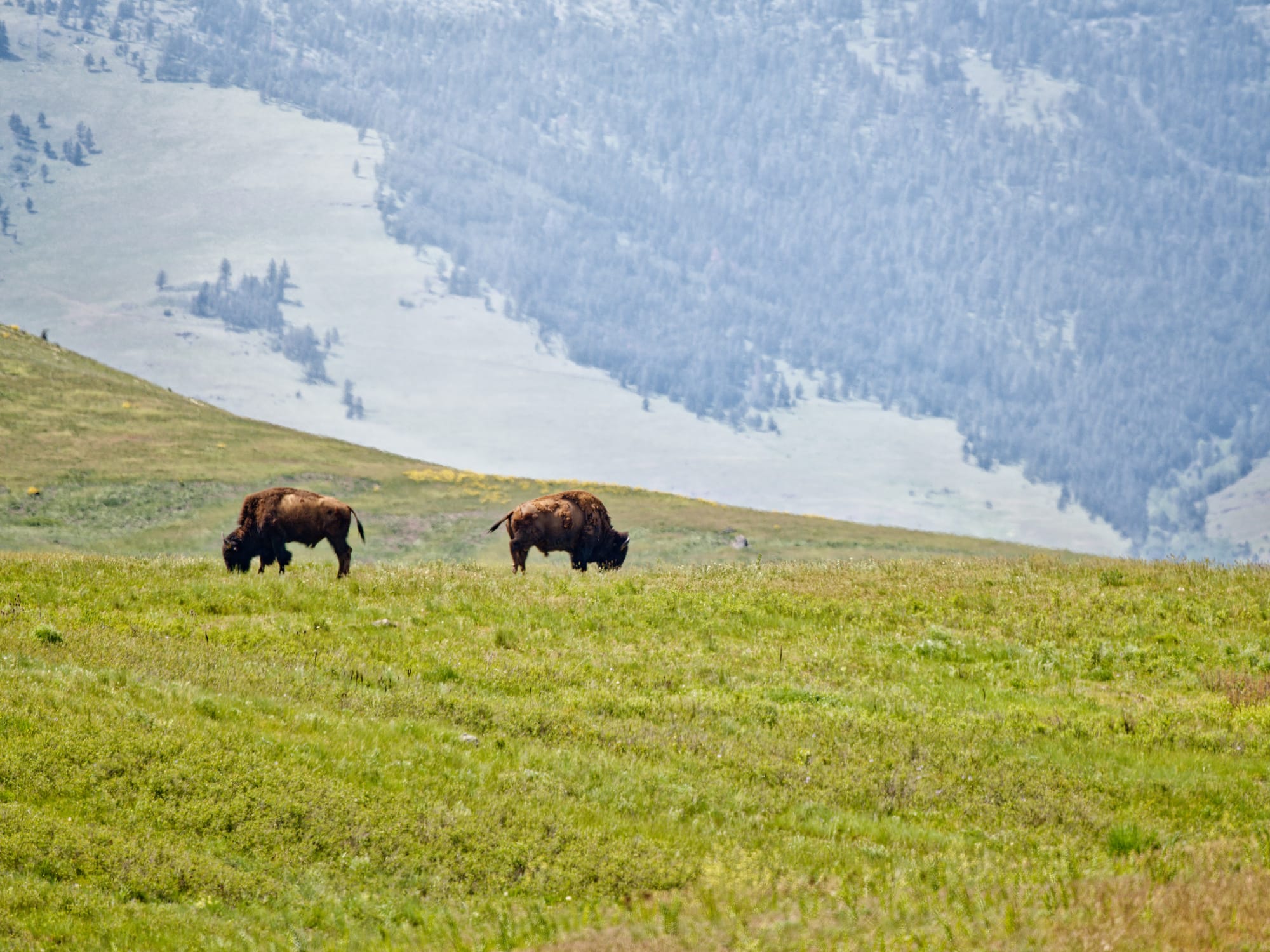
And finally, the Buffalo/Bison.