Turnbull
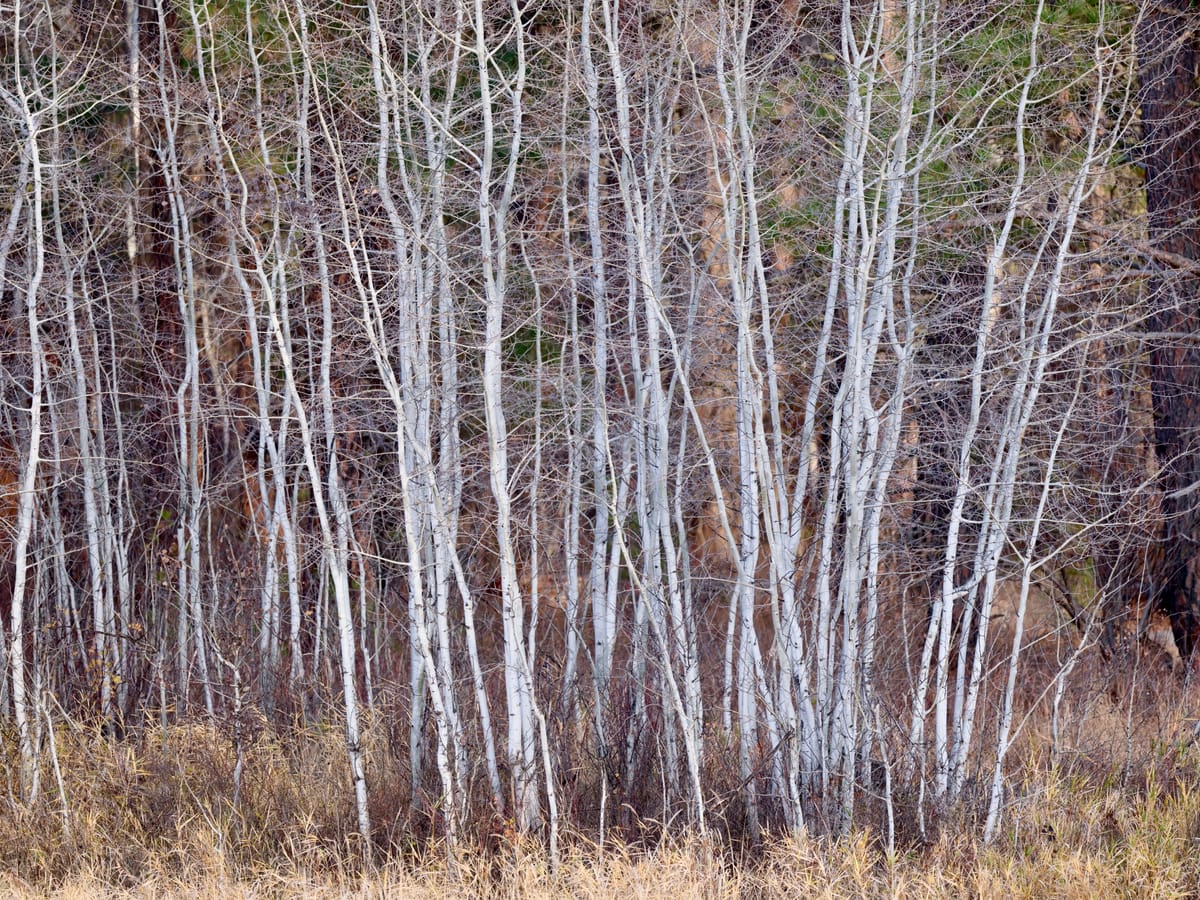
Another National Wildlife Refuge (NWR).
In northern Idaho there is just one National Wildlife Refuge called Kootenai for the Indian tribe nearby; it is up near the Canadian border. However in the panhandle we are never far from Washington and Montana and I just visited Turnbull NWR south of Spokane.
On a lightly overcast day in late Fall it was a very nice day out. Being closer to population centers it had quite a few other visitors. Every short trail had some people on it. Like most NWRs there is a driving tour and there are places to stop and make short hikes.
The geography is really unlike any Wildlife Refuges I have visited before. Geologically it sits on a vast flat lava flow which is characteristic of the Spokane river valley and most of western Idaho and eastern Washington. These are called the Channelled Scablands and were formed when an ancient ice dam broke where the Clark Fork River flows into Lake Pend Oreille. This dam held back glacial Lake Missoula and when it broke released a vast amount of water that flowed down the Spokane area as well as further west to the Columbia River drainage. The underlying basalt was eroded and carved into the Scablands. Turnbull sits on some of that eroded basalt.
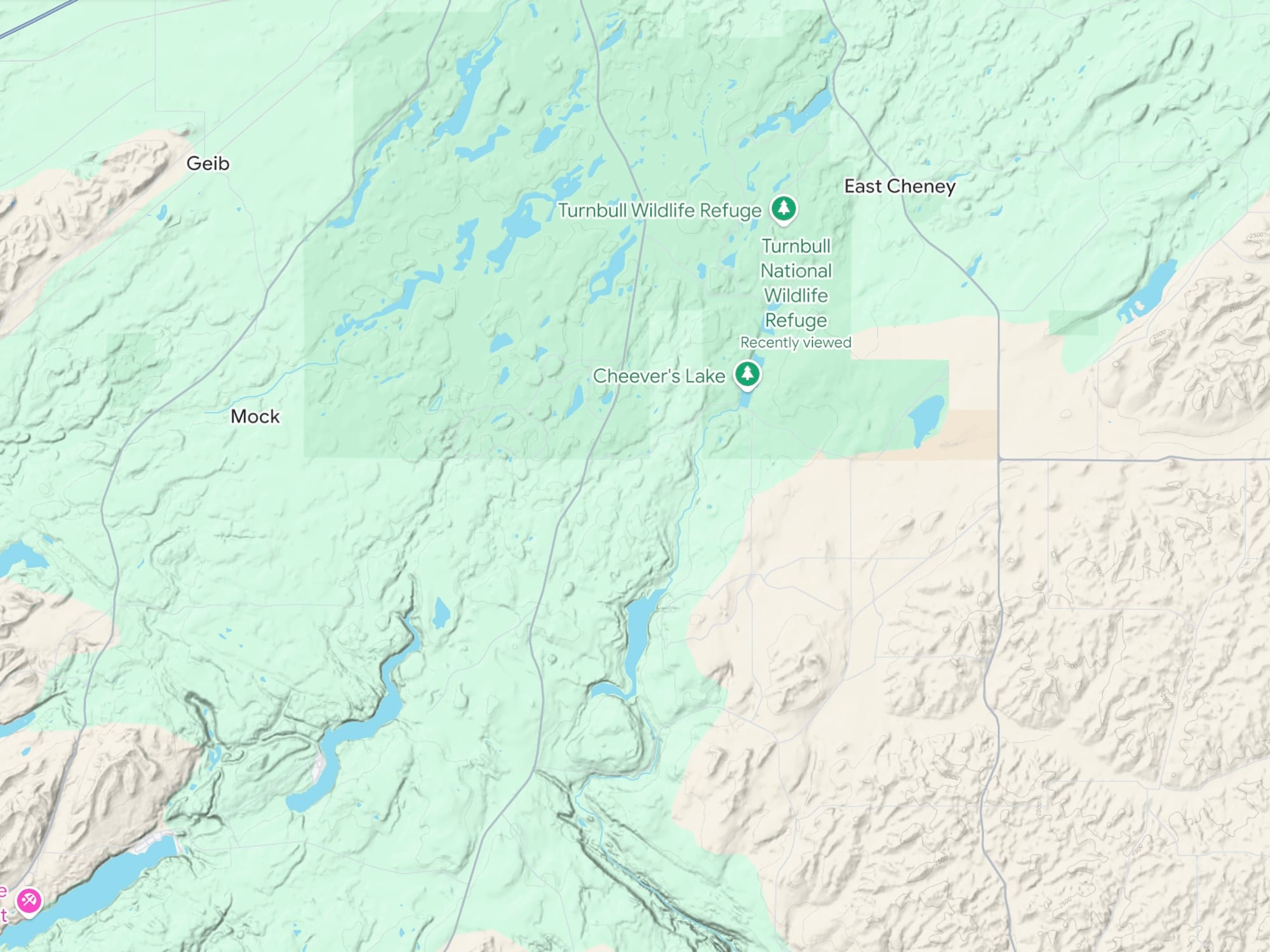
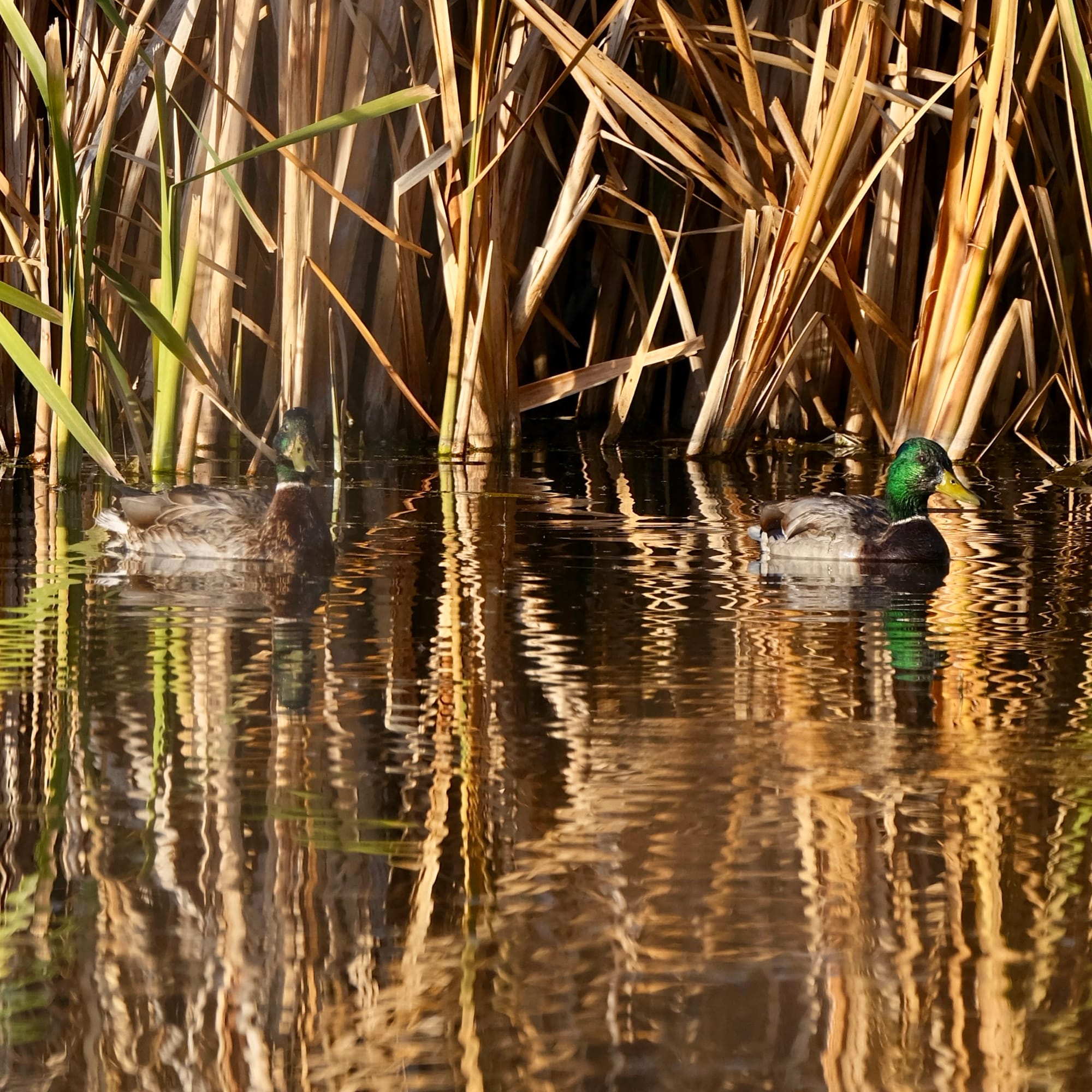
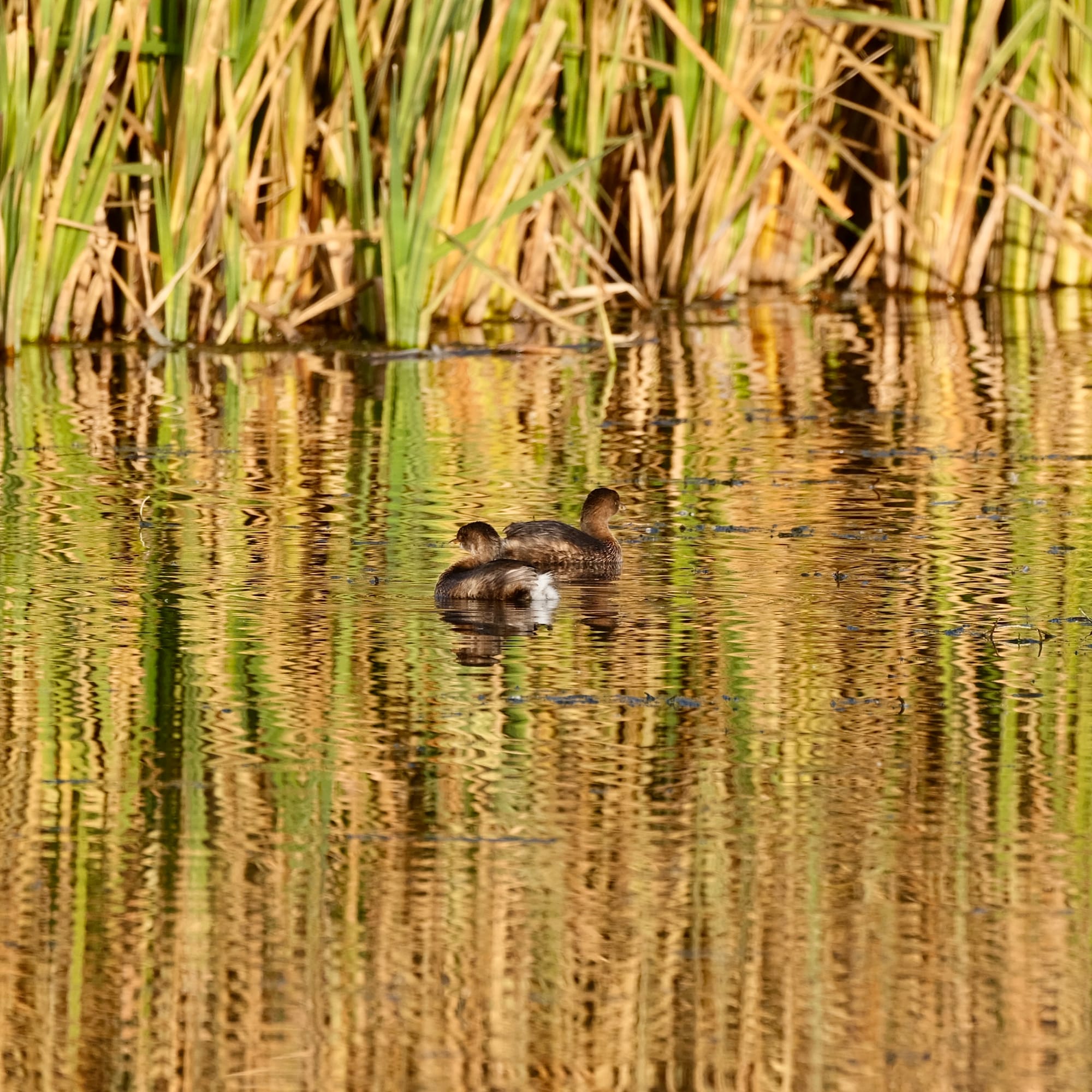
The result is a relatively flat landscape where divots and holes were eroded and scoured leaving a mosaic of small lakes. These floods repeated but ended about 13,000 years ago. This allowed for the formation of thin topsoils, the growth of a sparse Ponderosa pine forest along with other species such as Aspen. These holes filled with snowmelt and rain water and became a series of ponds edged with reeds and bullrushes. A perfect habitat for waterfowl.
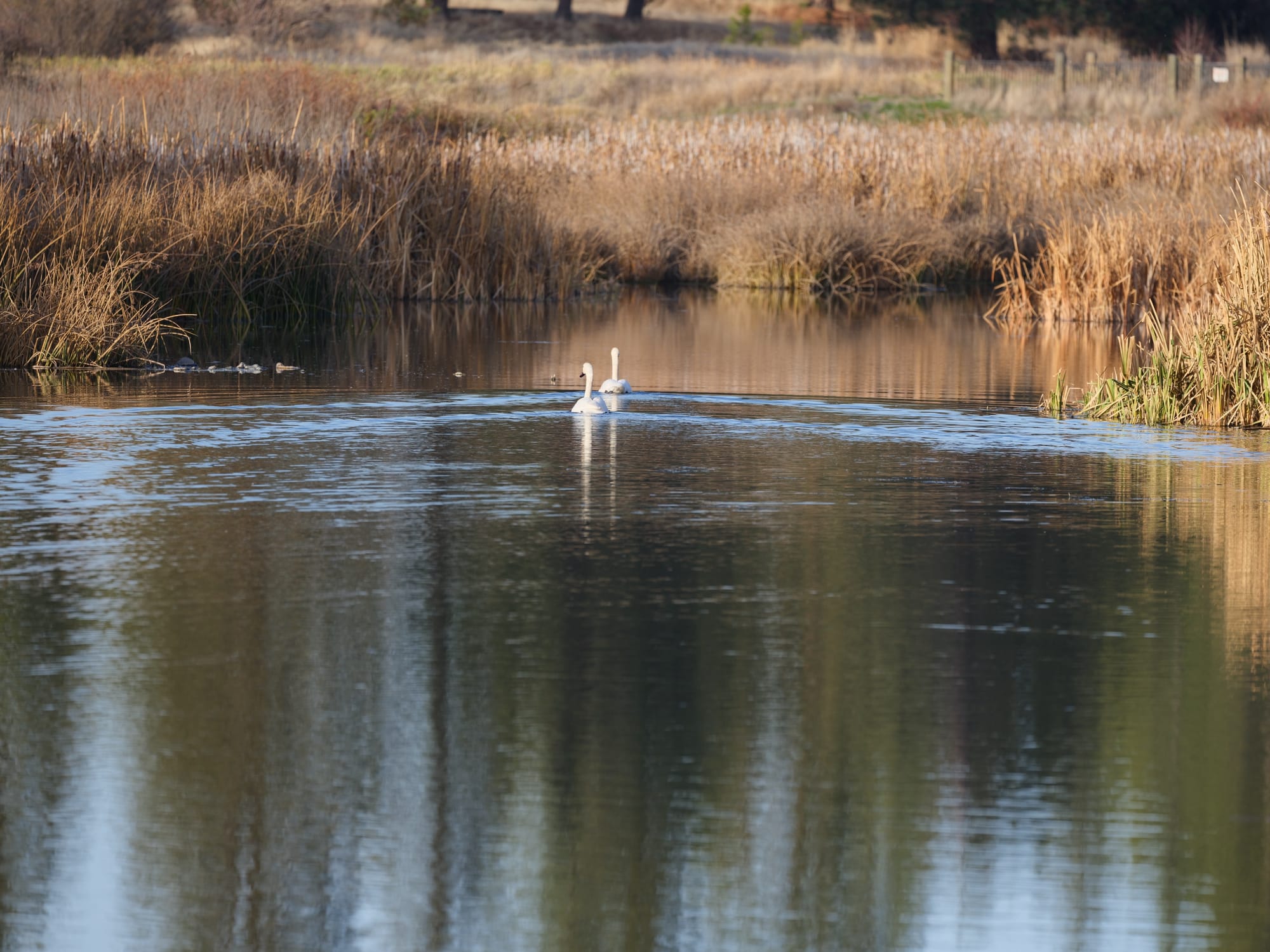
As so often happened in the west, farmers arrived and eventually some decided to drain and farm these small ponds. This worked quite well on larger lakes and riverside swamps but I can only imagine how marginal this land was. Most of the farmers had left when the wildlife refuge was established by FDR in 1937. The remaining farms were purchased to create the refuge. It was established on the basis of local hunters noticing a decline in wildlife in the area.
There is of course other wildlife there other than birds. We found a lovely cow moose grazing in one pond.
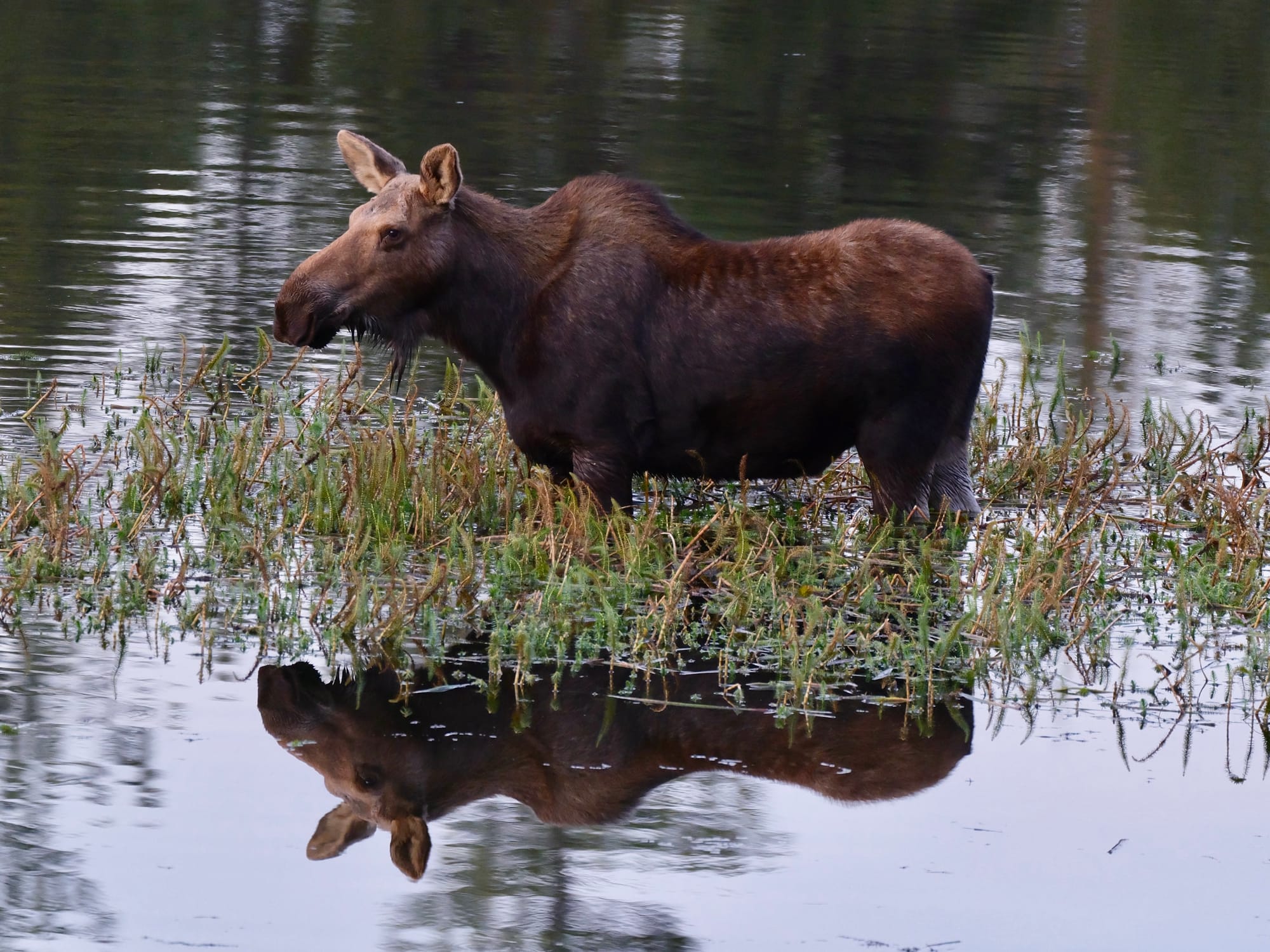
The moose on video!
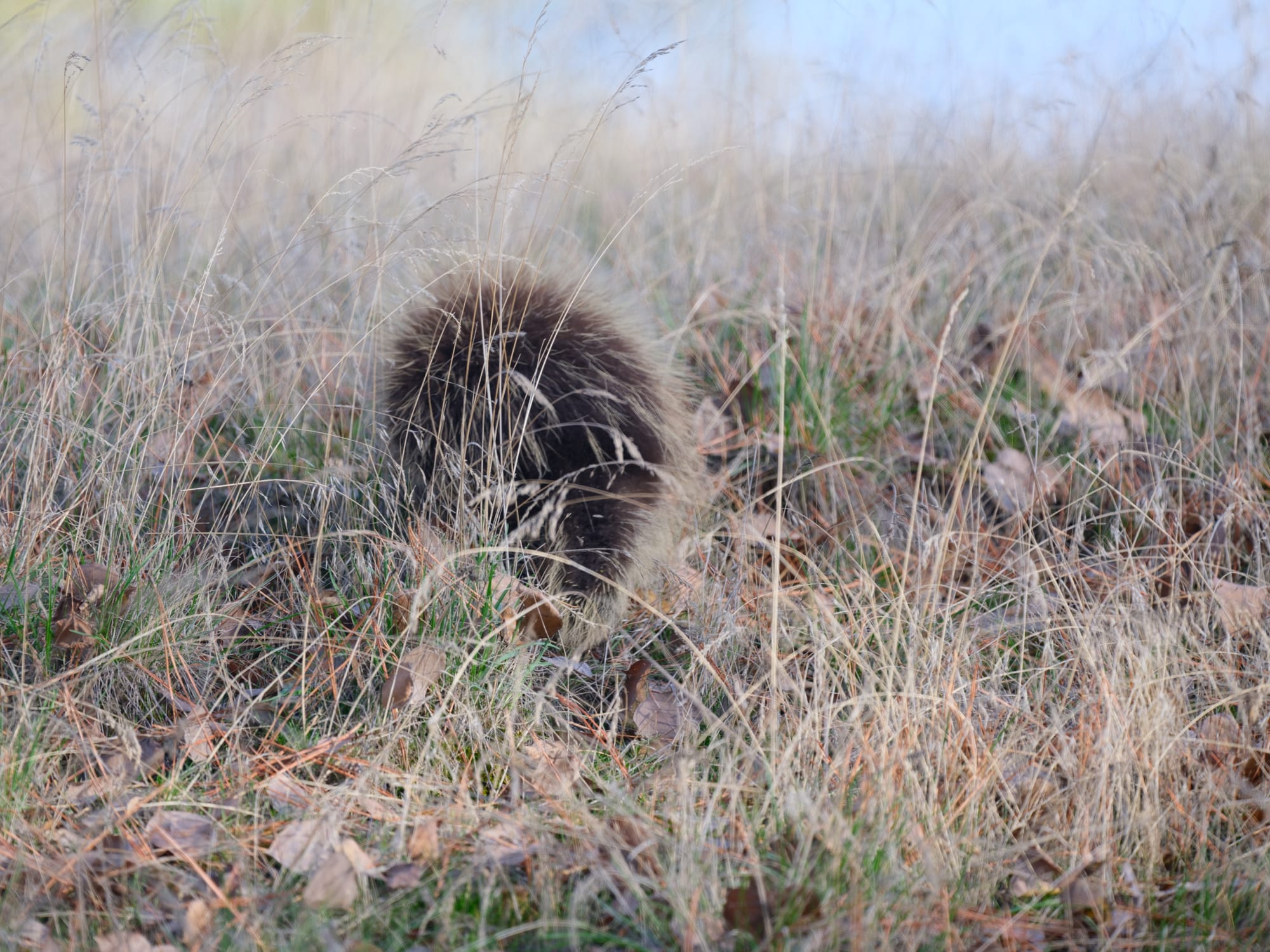
And finally the tail-end of a porcupine a first for me.