The Long Lens Vision
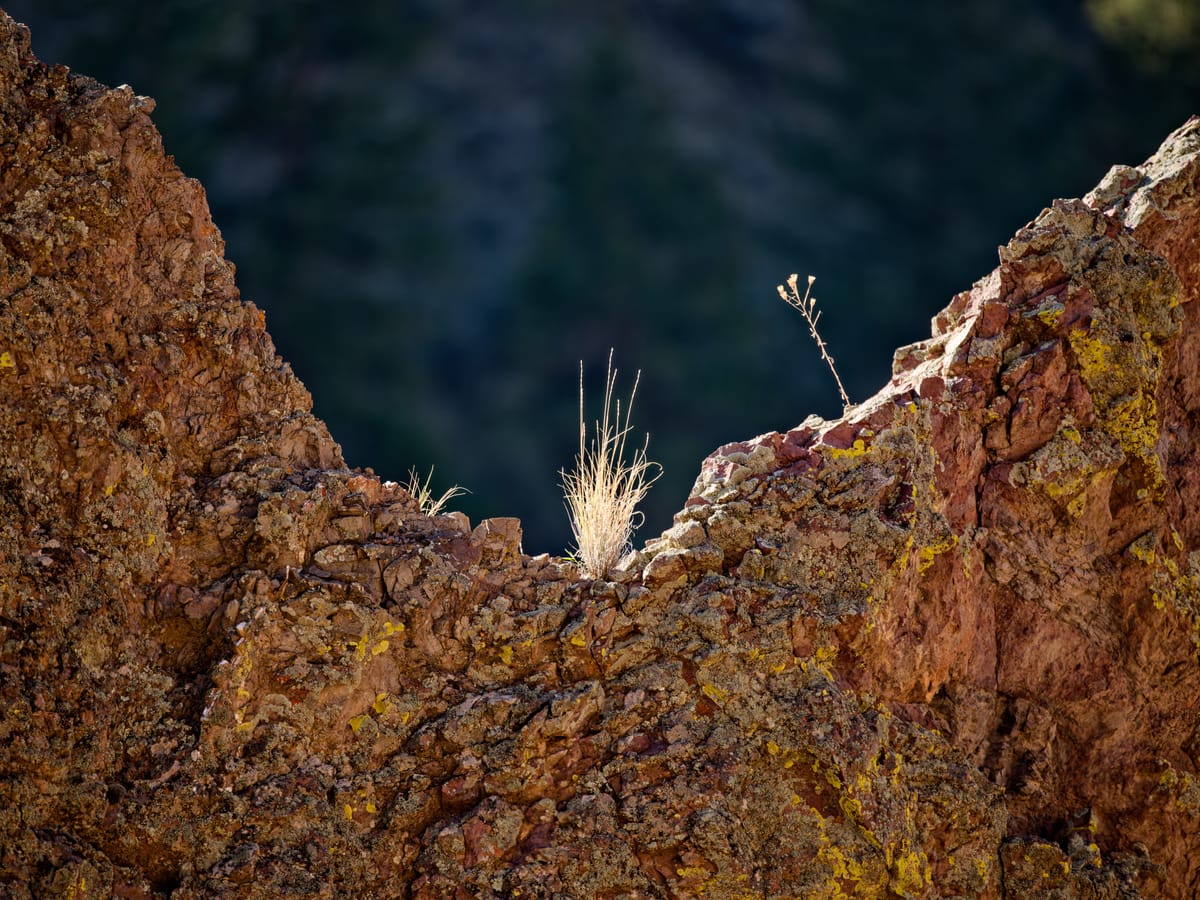
I have written before that I am drawn to longer lenses in my photography. Traditional landscape photography especially in the vast expanses of the American West relies on wide angle, short focal length lenses. 50mm can seem quite constrained and so you see 35mm, 28, down to 10mm or 12mm to drink in as much of the landscape as possible.
I can and do use wider lenses but I have developed a long lens eye and vision in my photography which I explain here.
For intimate landscapes my starting point is an old Olympus 135mm f2.8 manual lens for a 35mm film camera. I adapt it to my Fuji GFX 100/50s ii cameras and get a wonderful tool. This is the shortest lens I tend to use regularly. It is very sharp, has excellent contrast and is quite fast for its focal length. It produces images with very nice depth of field and tolerates well being shot wide open. Since it is a lens for a full-frame 35mm sensor I set the camera to crop its larger sensor to 35mm full-frame. I still manage 60 Mpixel images. This avoids vignetting.
(Another tip when shooting 35mm lenses on a medium format sensor is to shoot 65:24 Xpan crop. This avoids the corners and allows the full sensor width with little trouble from vignetting. This is a great setup for larger landscapes.)
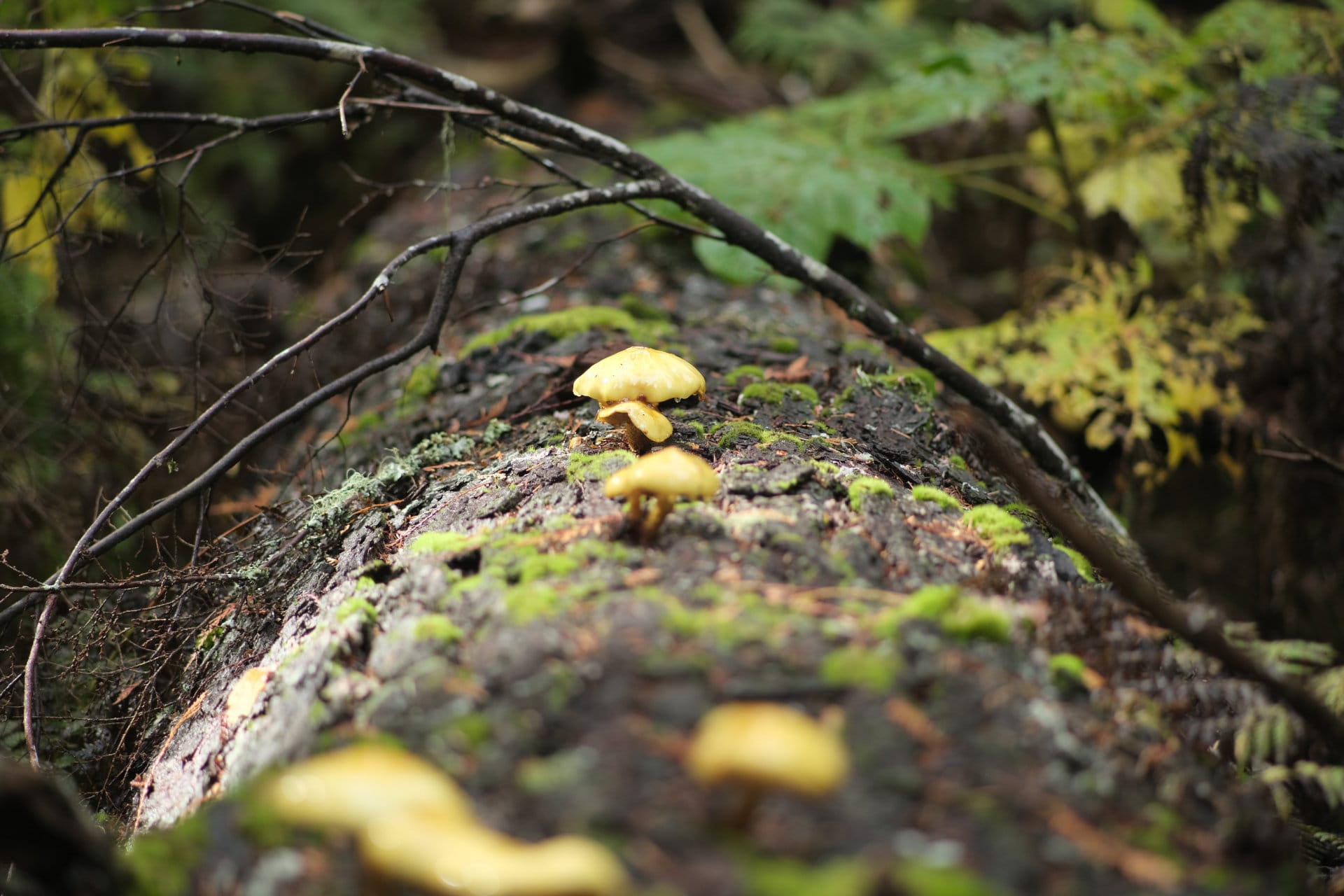
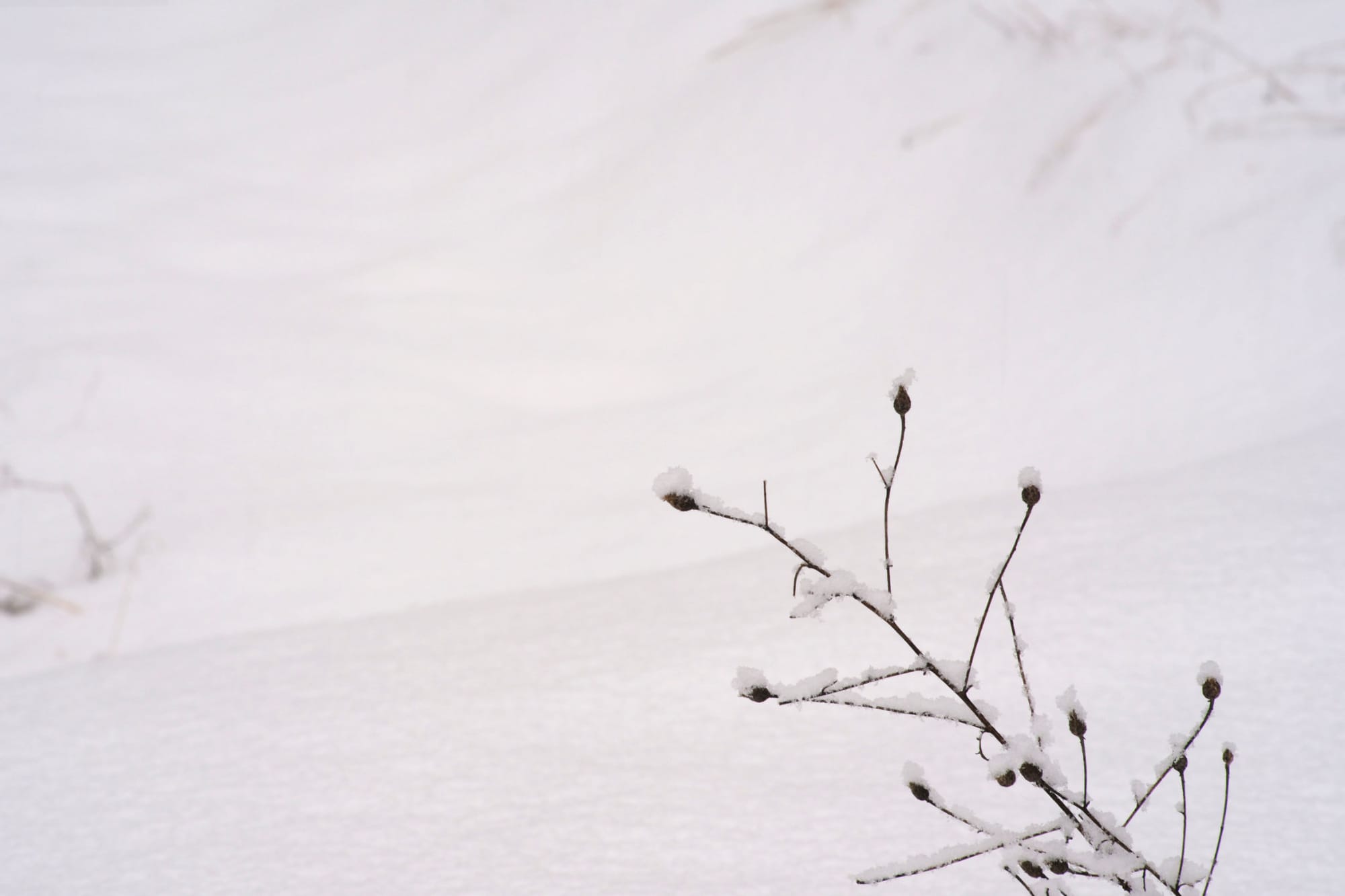
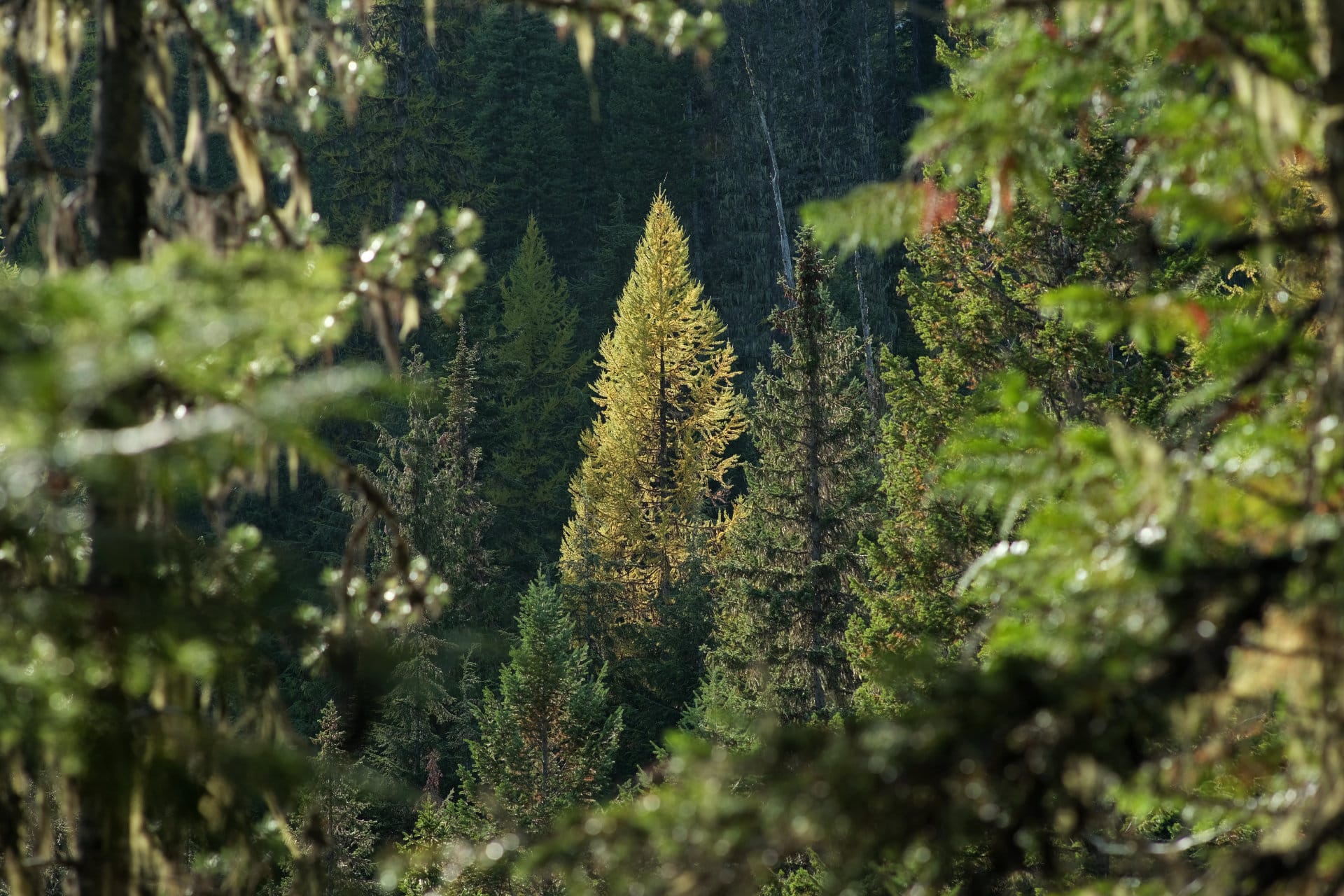
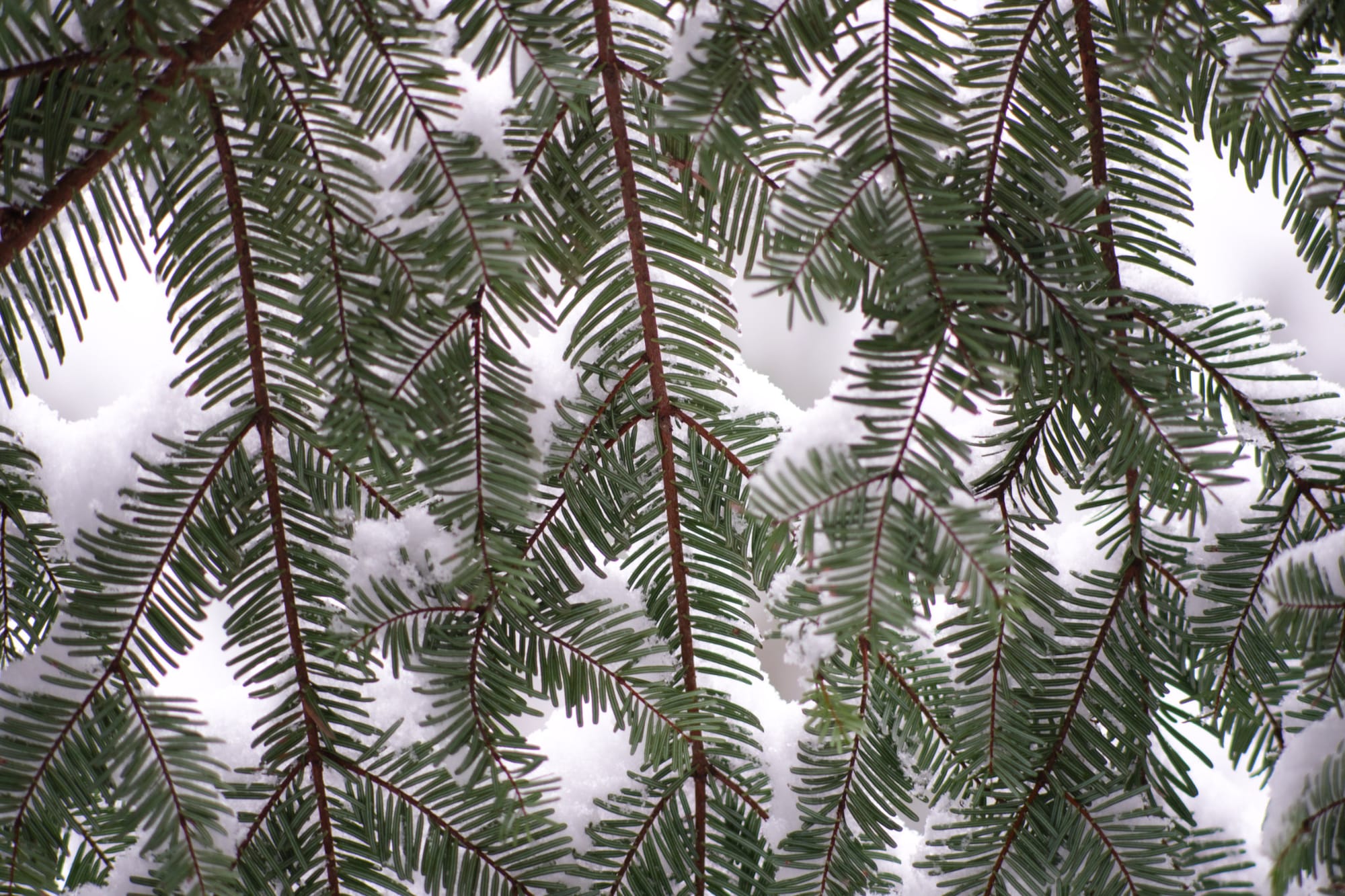
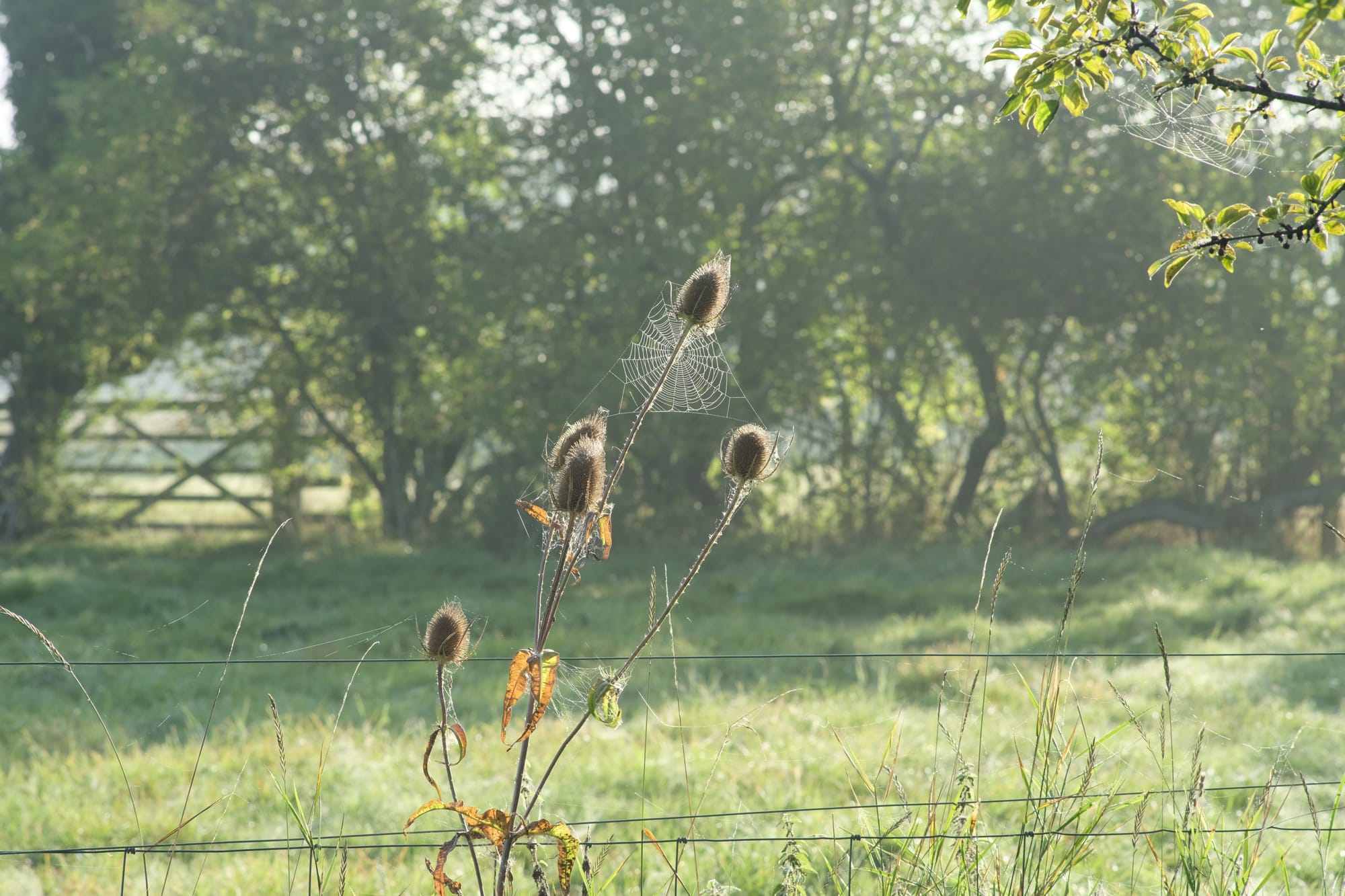
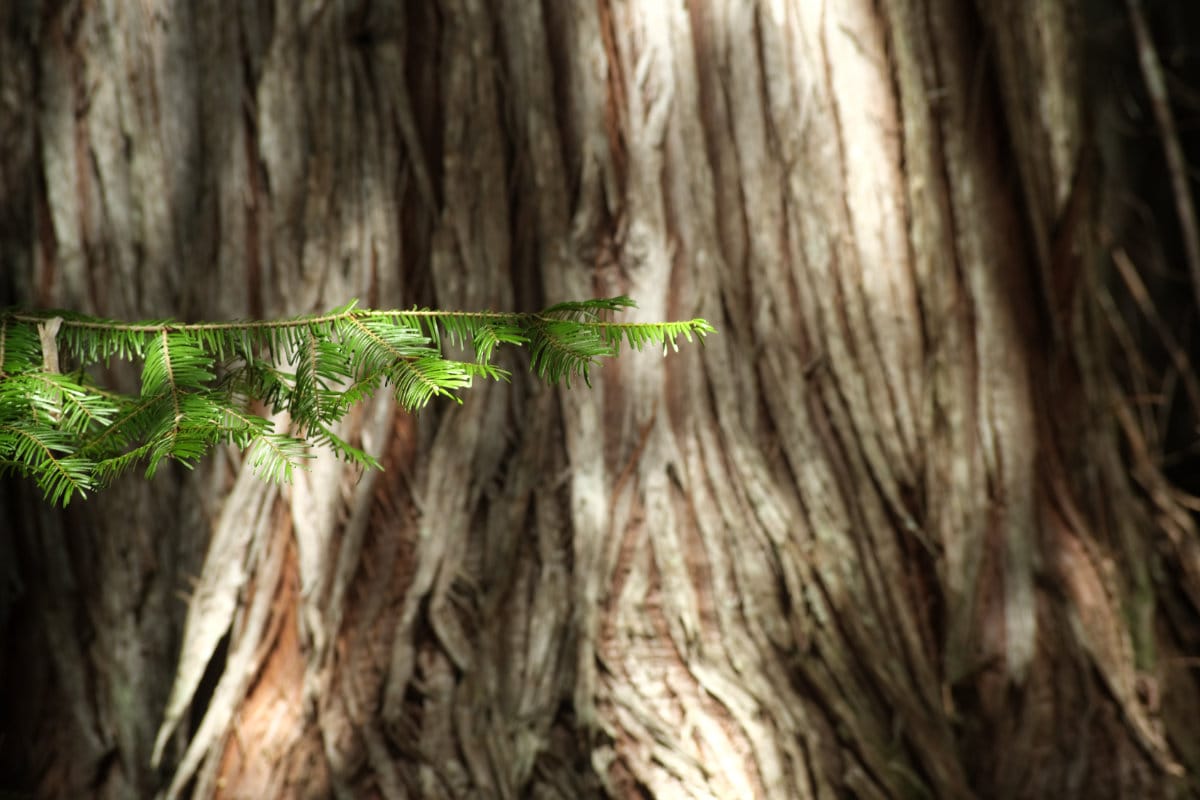
Examples of images from the Olympus 135mm f2.8 lens. Click or tap an image for a larger view.
I have also used a 150mm f3.5 Mamiya lens in the same service with good result. My first peek into longer lens landscapes came when I coupled the 150mm lens with a 2x tele converter to make a 300mm f7 lens.
300mm gives wonderful reach but the depth of field effects are limited and being slow it needs some extra ISO when shot handheld. The aftermarket teleconverter does not do the Fuji sensor justice and it is probably just as effective to crop the 150mm in terms of image quality.
The 135mm mentioned above is lighter and faster and almost as long and as a result my 150mm combination rarely gets used.
I do get full use of the sensor however with the 150mm lens and my adapter is a shift adapter for my Mamiya lenses. This means I can shift the perspective which adds to the range of compositions available.
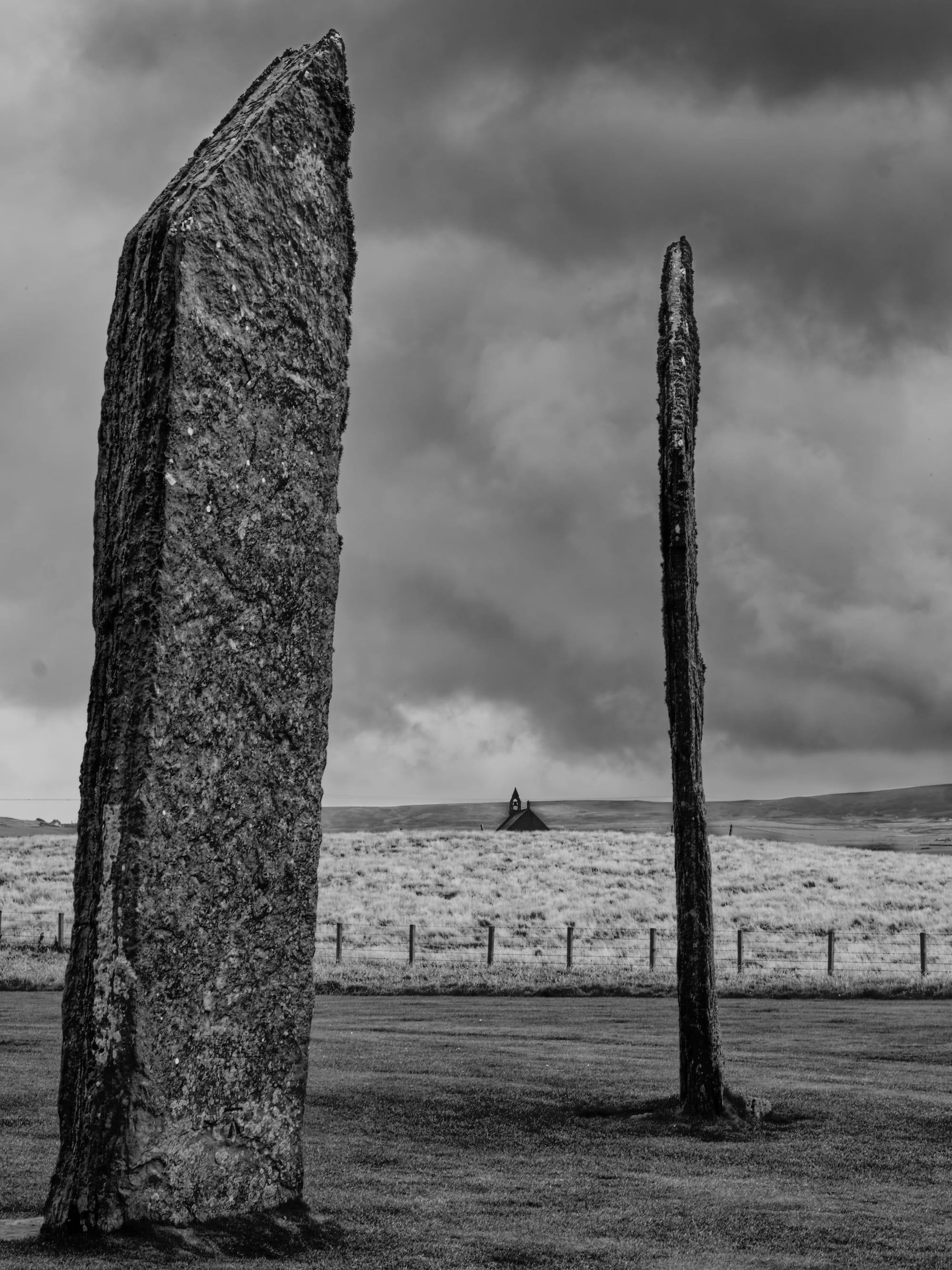
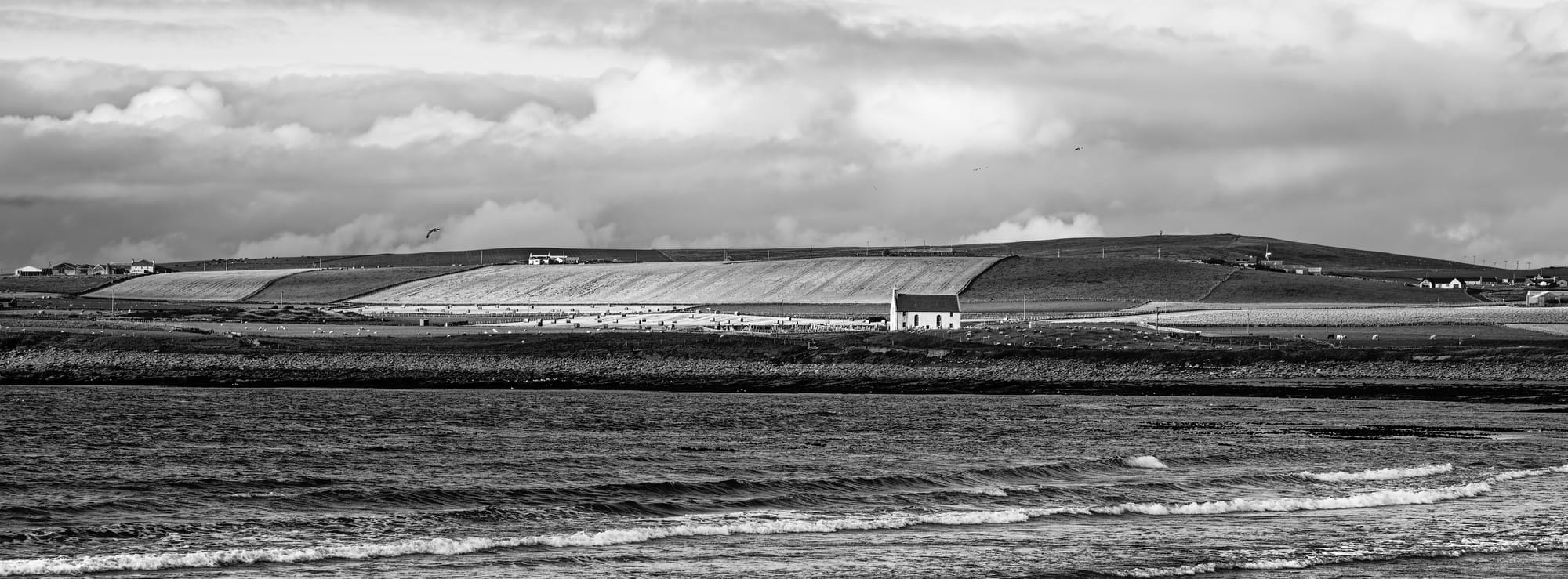
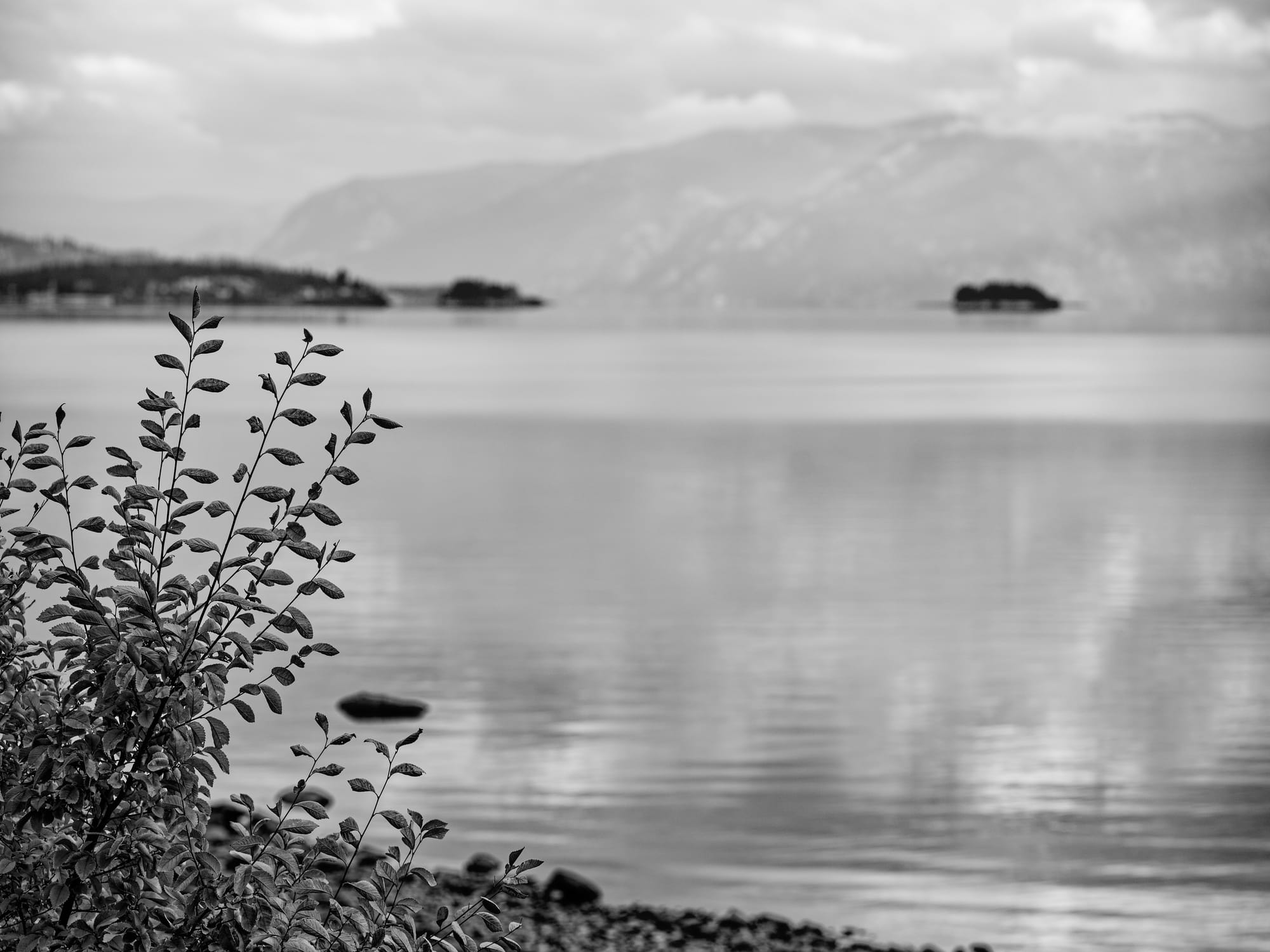
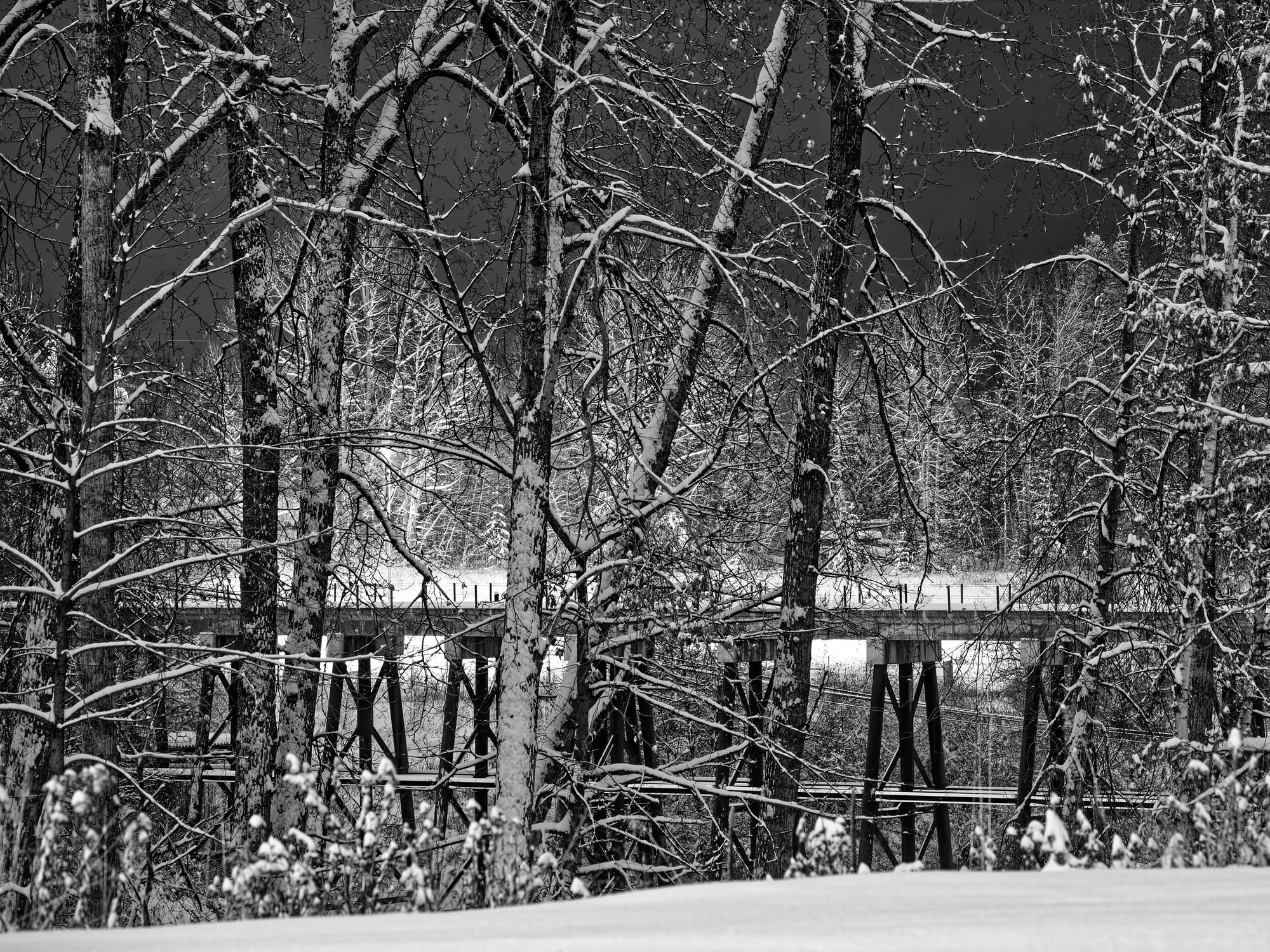
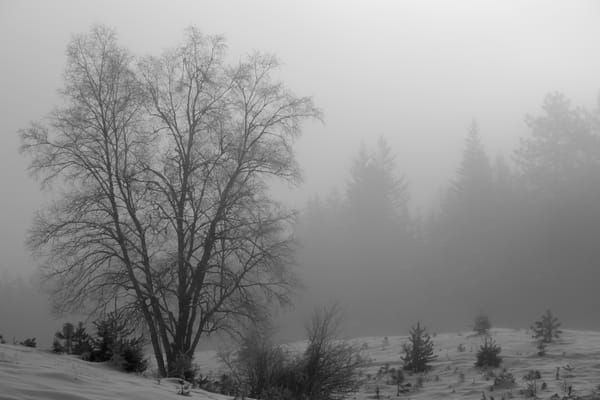
Black and white images taken with 150mm f3.5 lens. Top two Orkney Islands, Bottom two North Idaho.
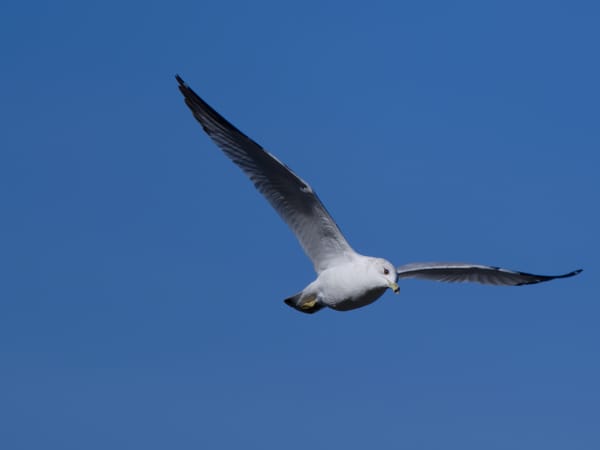
My most recent obsession is the GF 500mm f5.6 which being a full autofocus lens is very expensive but also a really fine lens. I shoot it almost exclusively wide open and handheld. Having a long autofocus lens has led me into wildlife photography but the reason I bought it was for landscape work. A very short focal distance of about 9 feet makes it ideal for intimate landscapes as well. It is very light—weight for its length, quite a feat of optics actually.
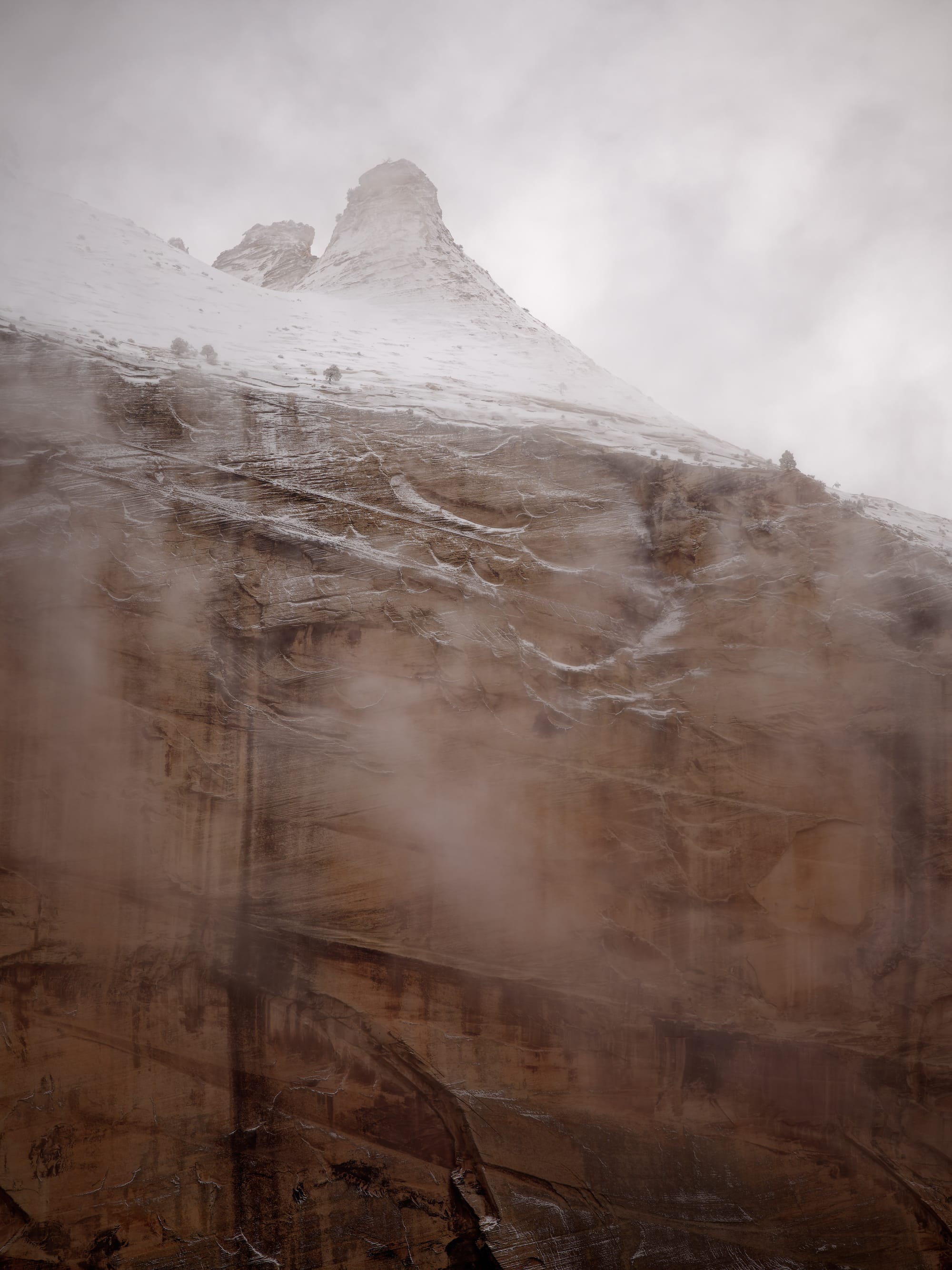
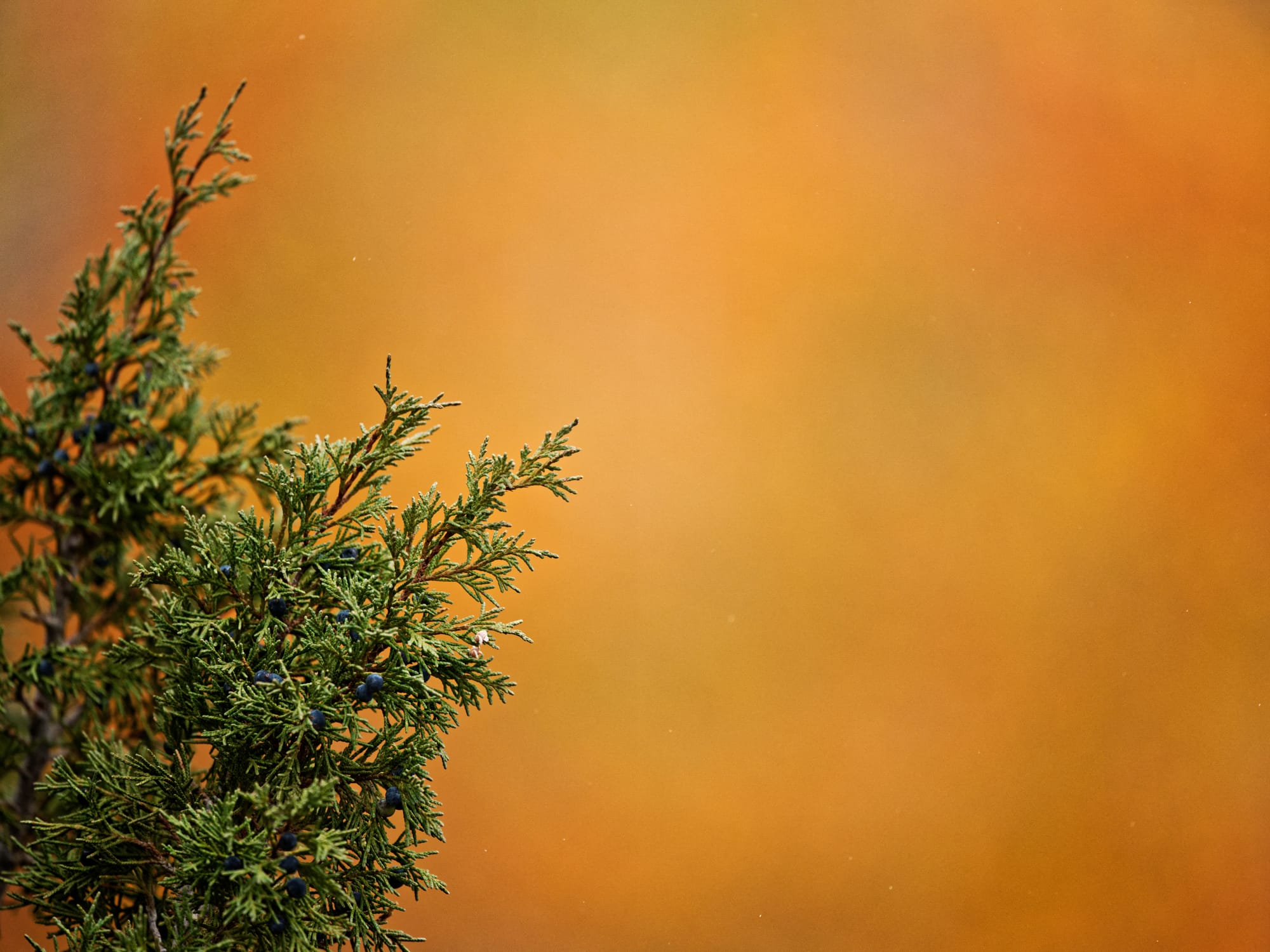
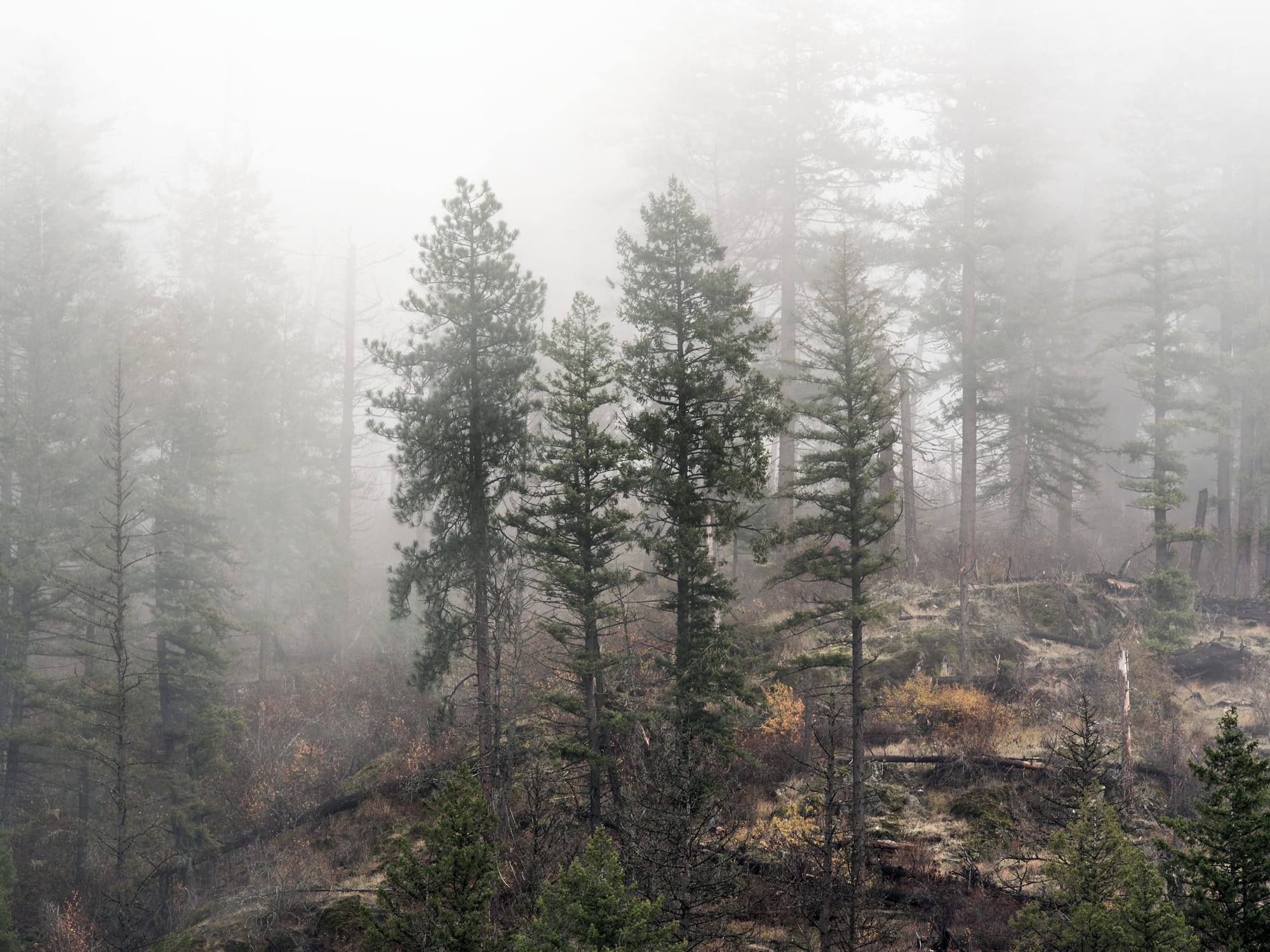
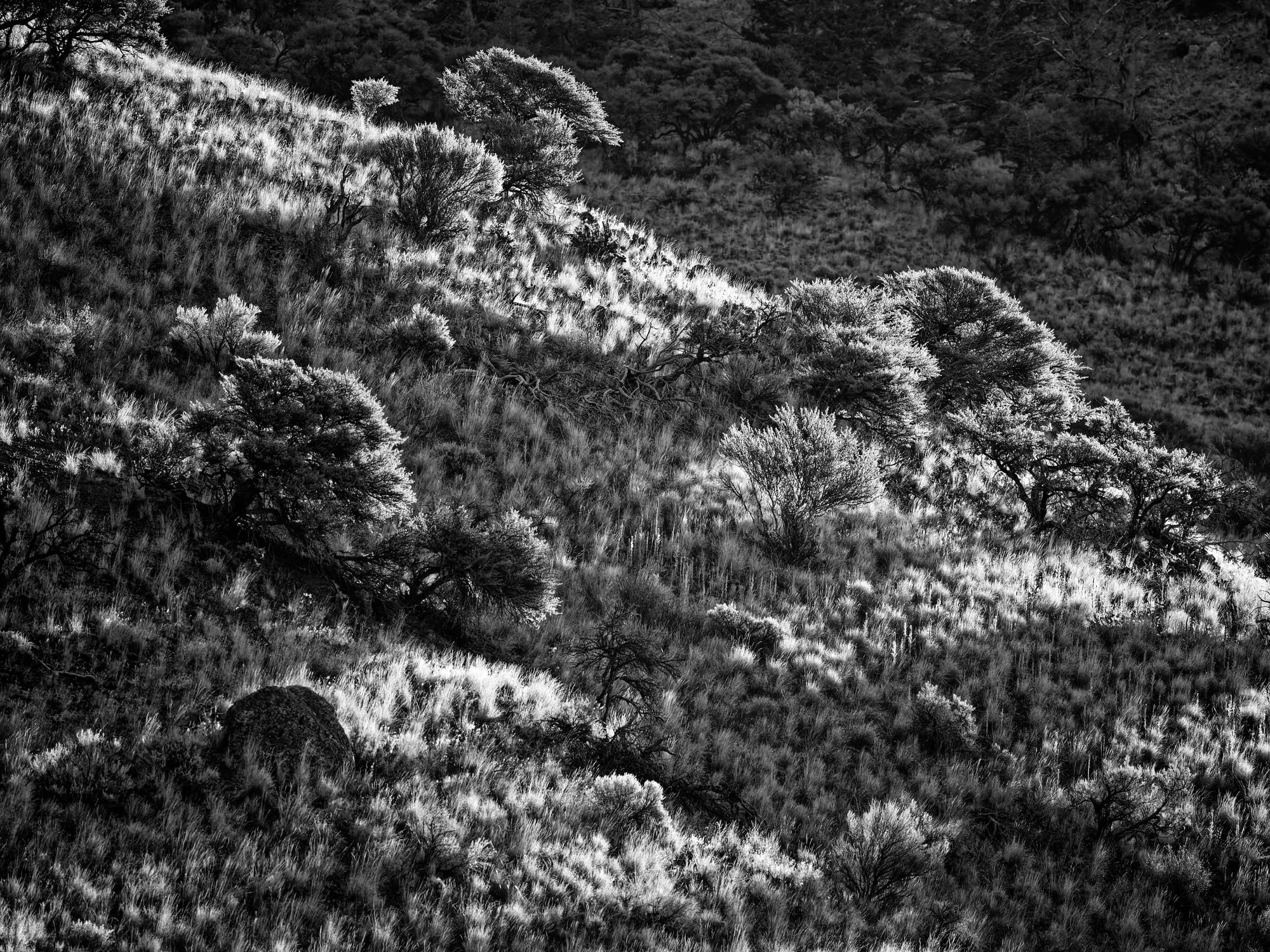
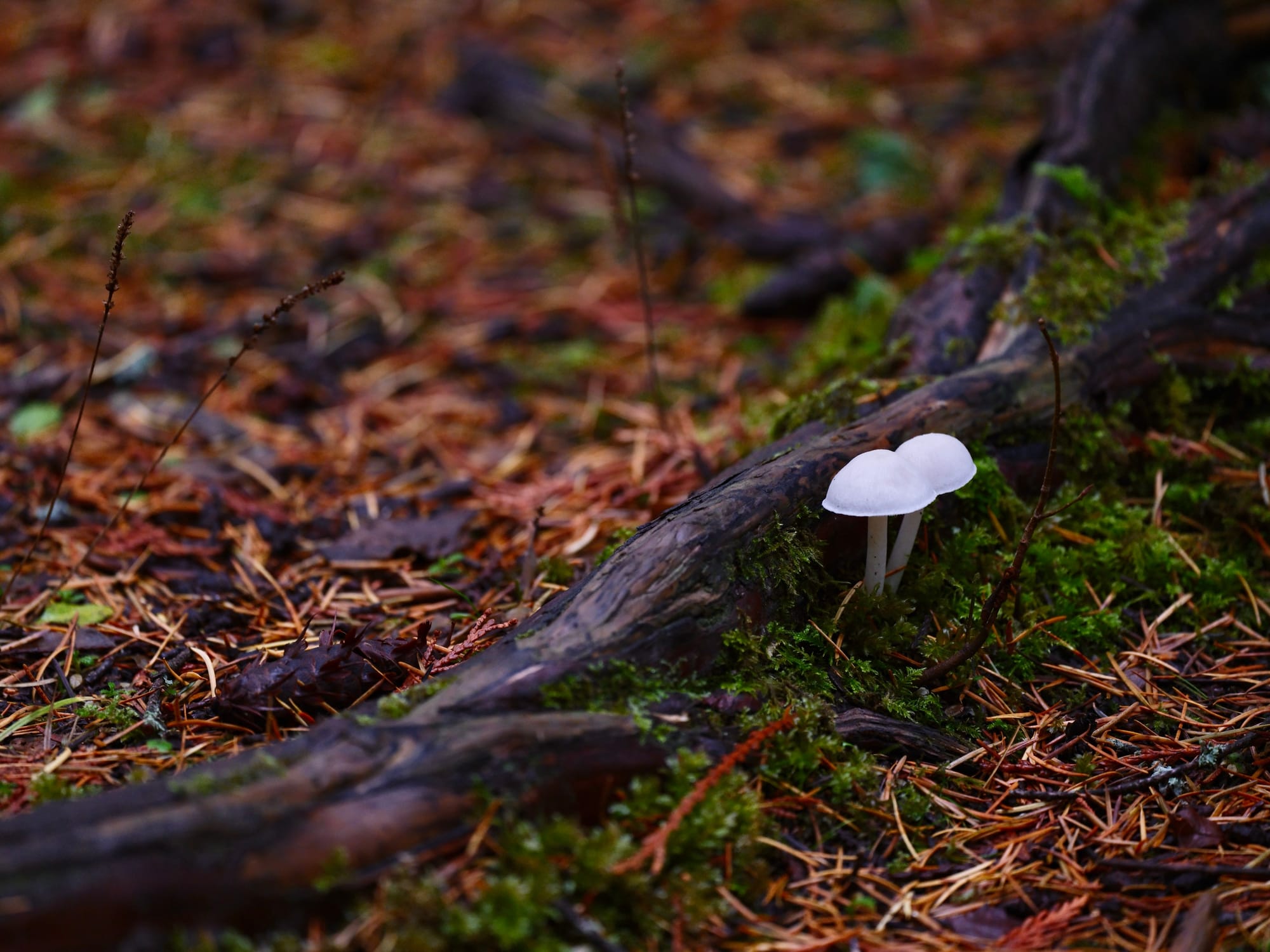
500mm f5.6 examples.
I suppose the reason I am attracted to these lenses and the type of images I chase is born out of two impulses.
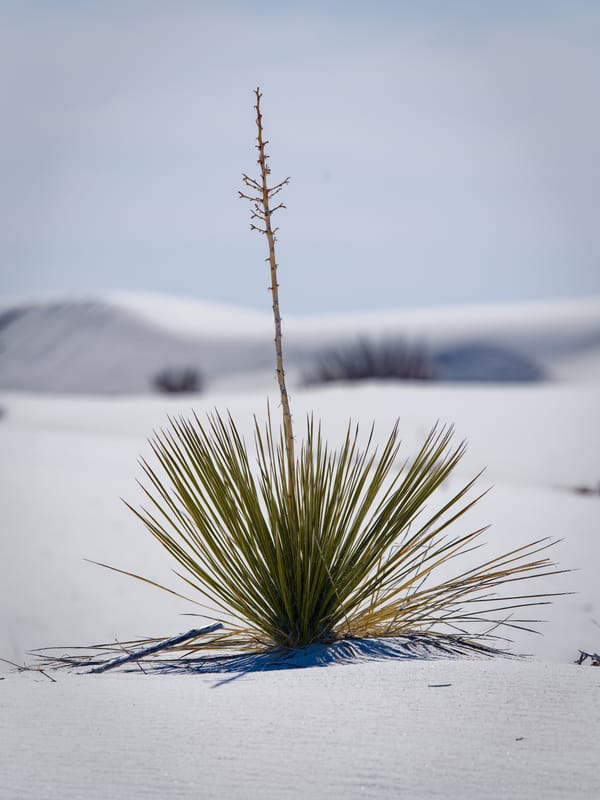
One is to avoid the visual cliches so common in landscape photography; Antelope Canyon’s amazing light caught in a handful of dust thrown by the Navajo guide, Mesa Arch at sunrise with the unseen 30 or so other photographers jostling shoulder to shoulder, some wonky tree in New Zealand in a lake, a yucca on the white sands in New Mexico, the gooseneck bend of the Colorado River. A certain barn in front of the Grand Tetons. You get the idea. Imitating the great photographers and photographs can be a way to learn and I am sure it has its own appeal. It just isn’t my cup of tea.
The other reason is that I tend to see the world this way. My eye wanders across the landscape and after taking it in, I am drawn to small details which I tend to isolate mentally, the tops of peaks, a patch of light in the woods, some area of nice color, the look of light on the surface of a river. For me these are what I remember as the mood or feel of the place. This is what I attempt to capture.
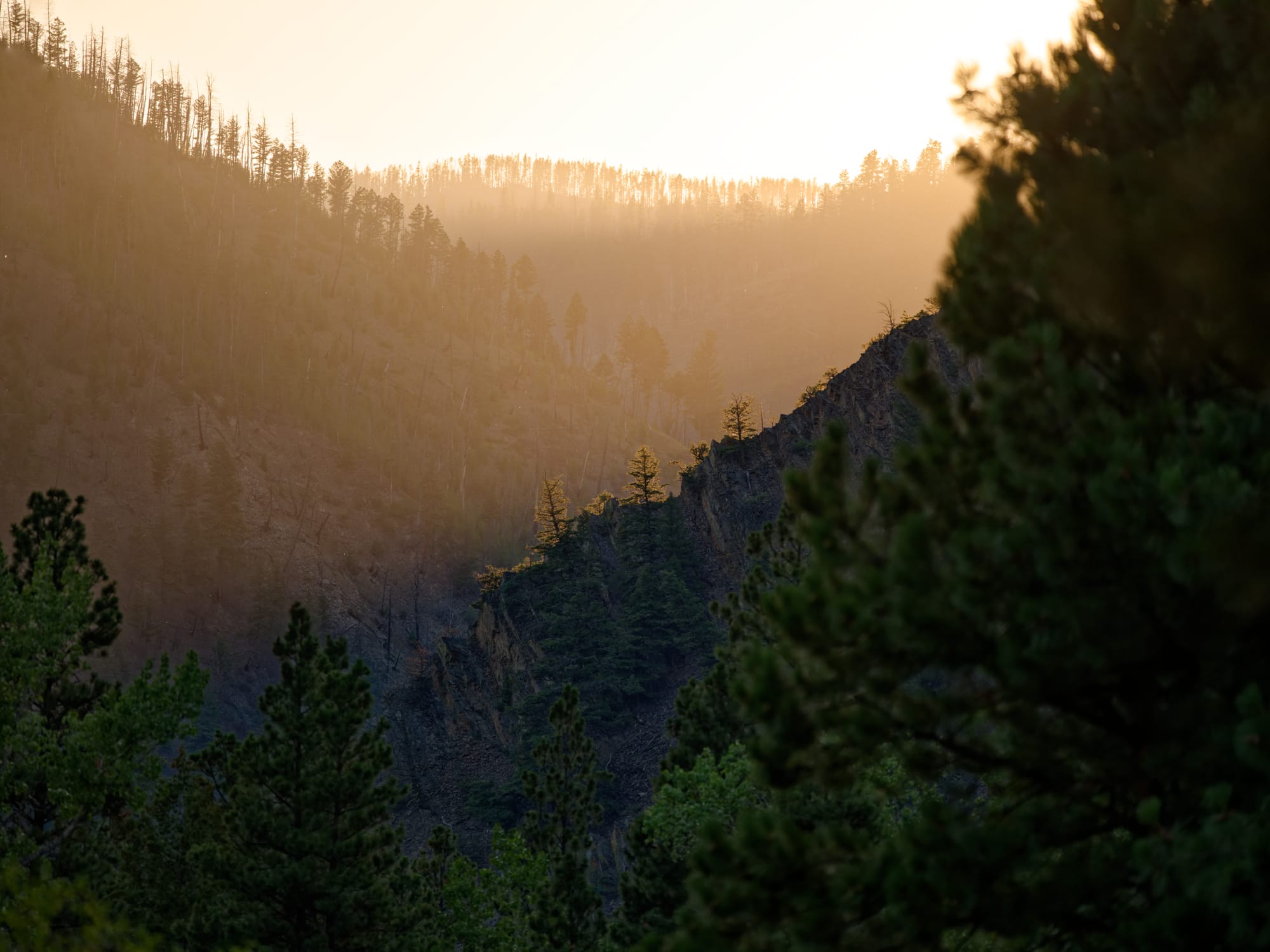
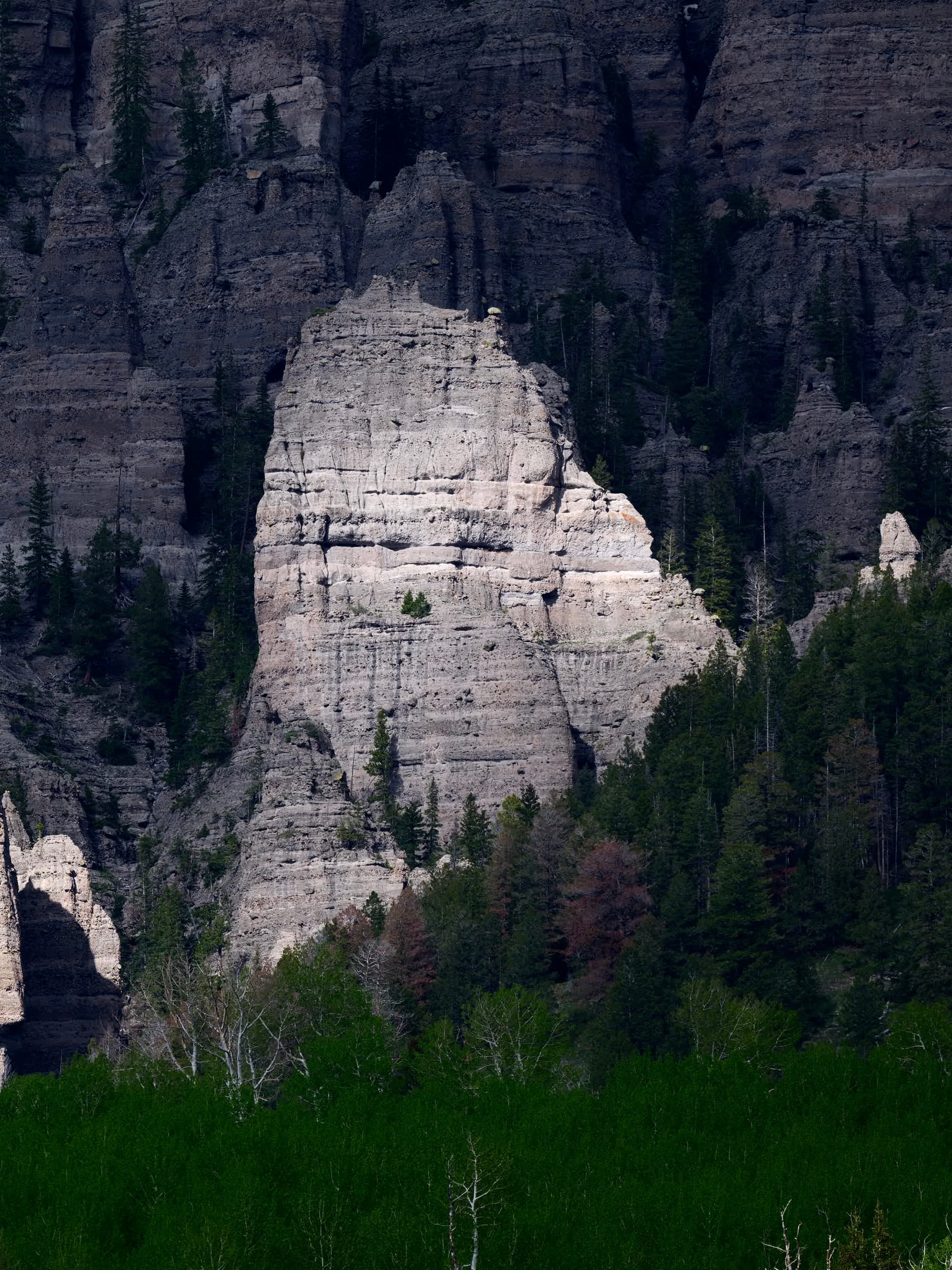
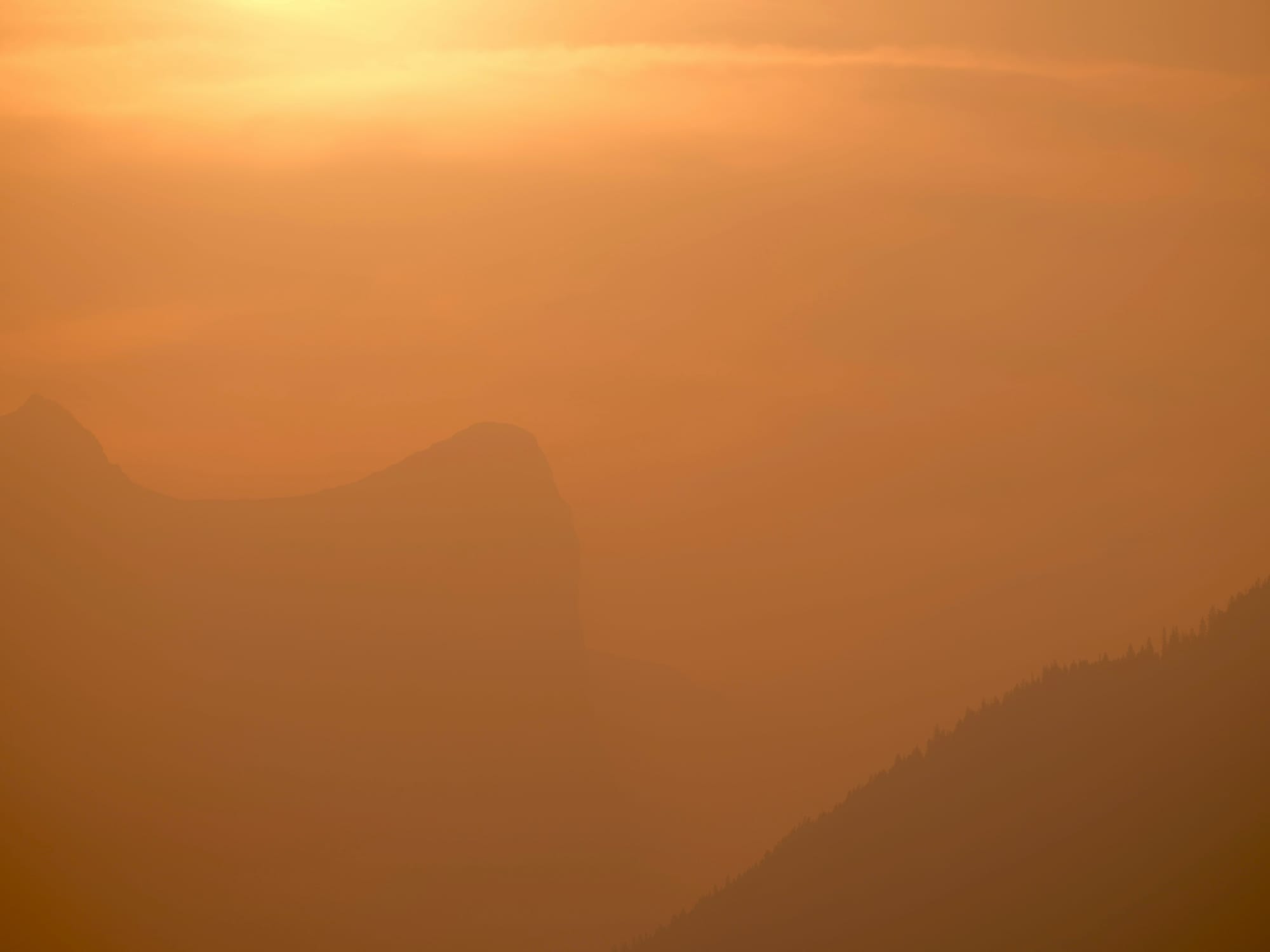
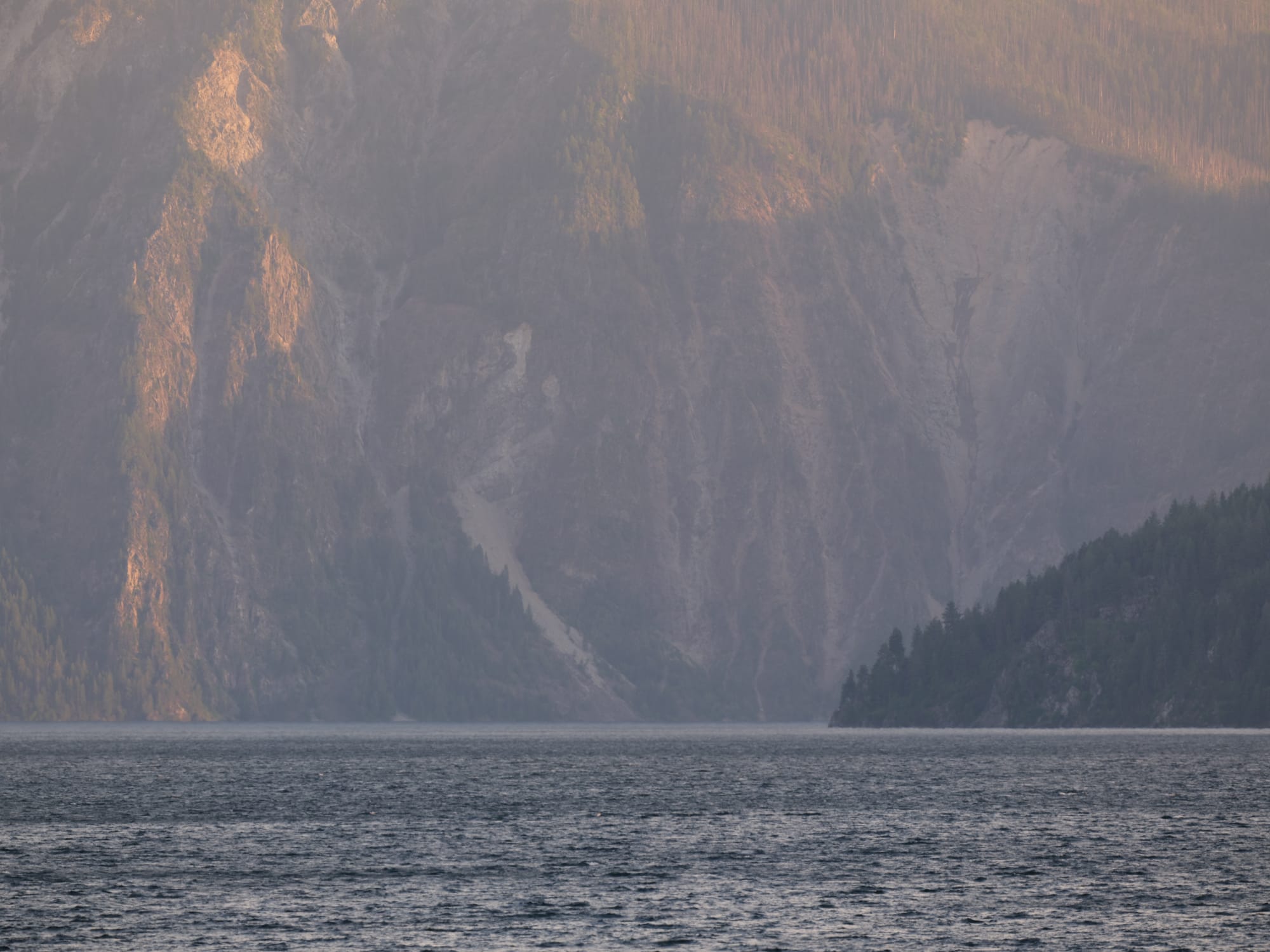
Sometimes a long lens can still capture scale. 500mm f5.6
A benefit of this is that I am rarely without subjects to shoot unless I am in some urban area (the urge to capture is strangely diminished there for me) or the light and subject are just too flat.
To be sure I do take wide angle landscapes. Sometimes that is what is demanded. Often they are more snapshots or ones I use to set context for a blog post. But big landscapes are still beautiful even if I often leave them to someone else to capture.
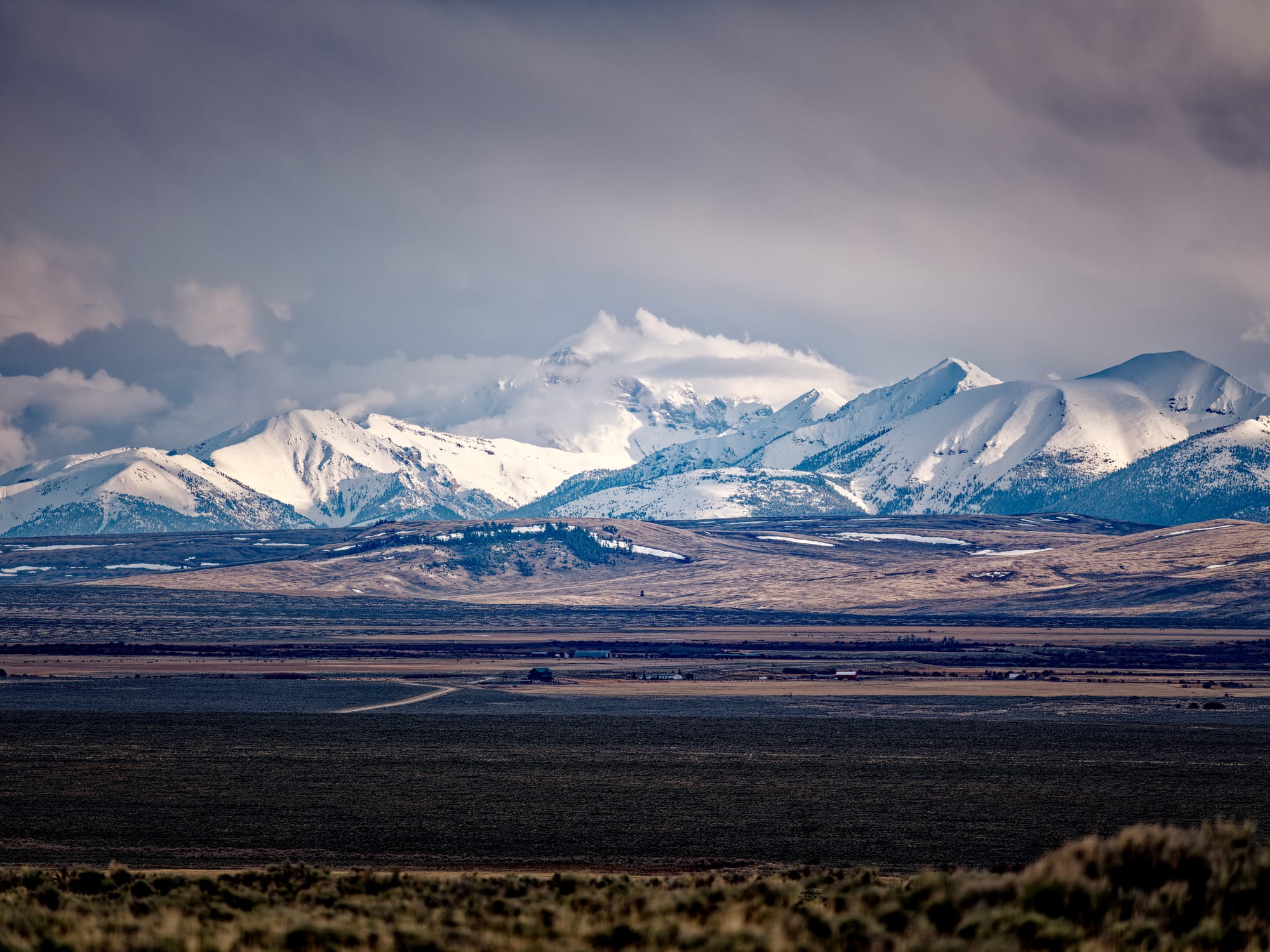
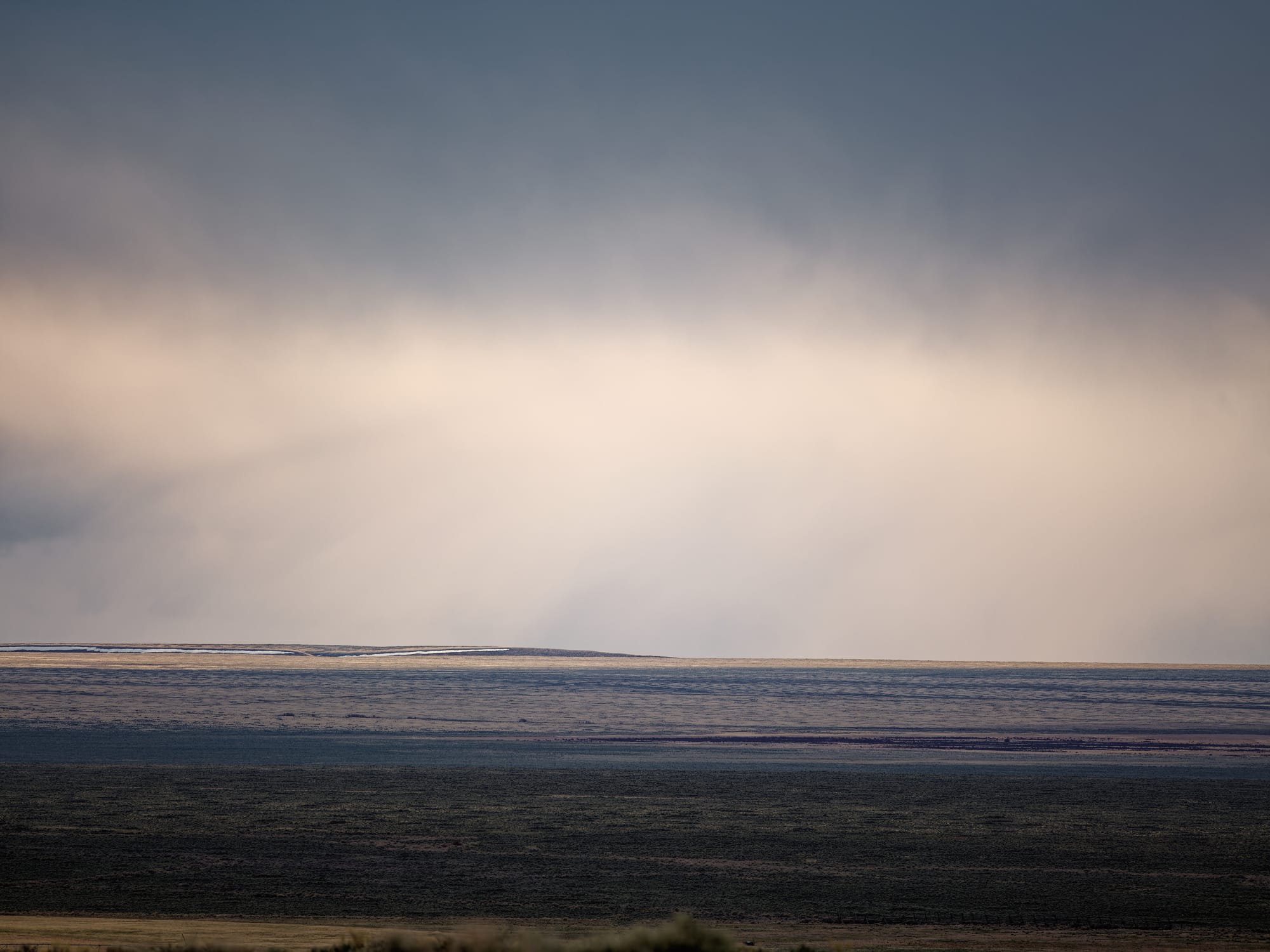
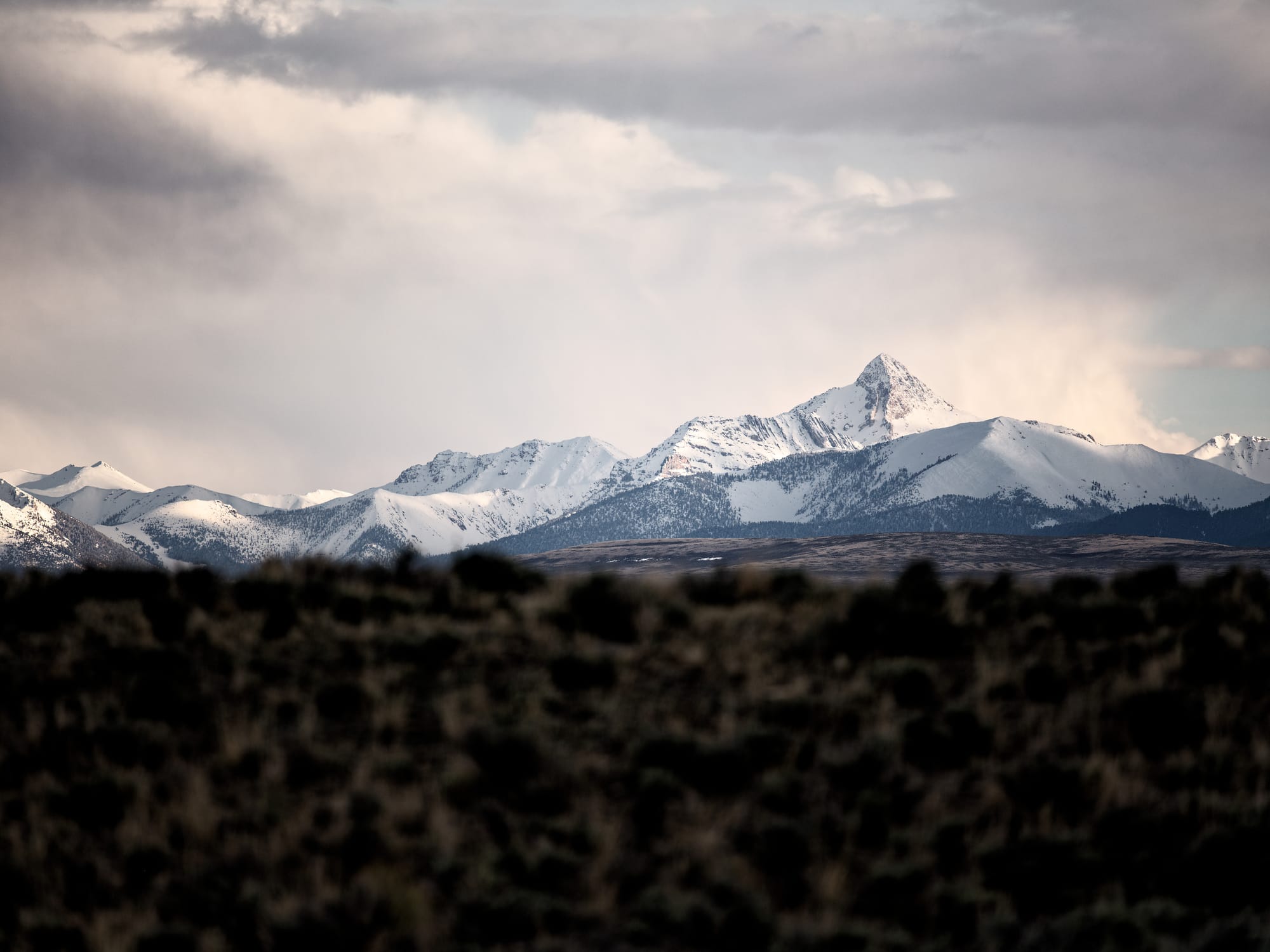
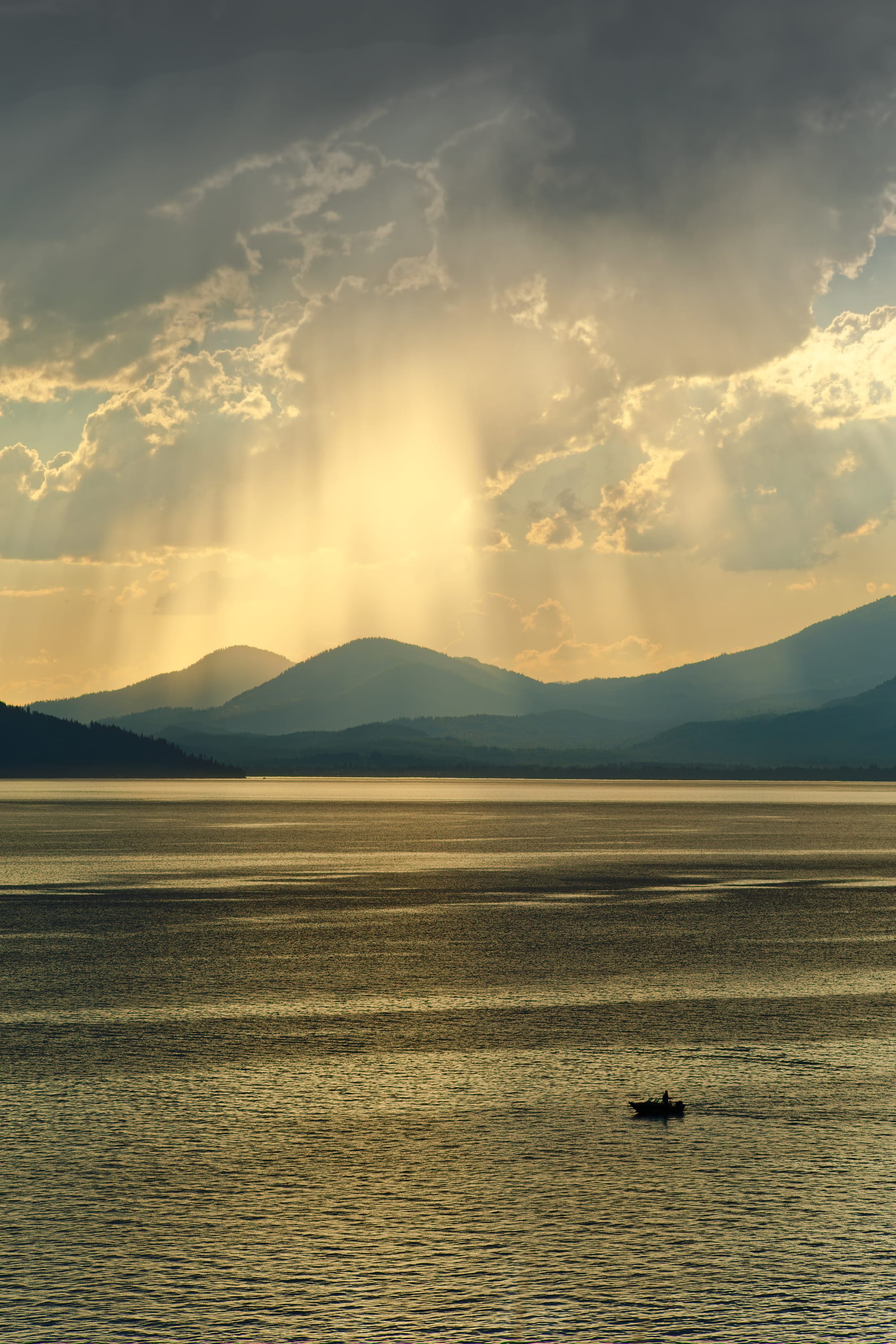
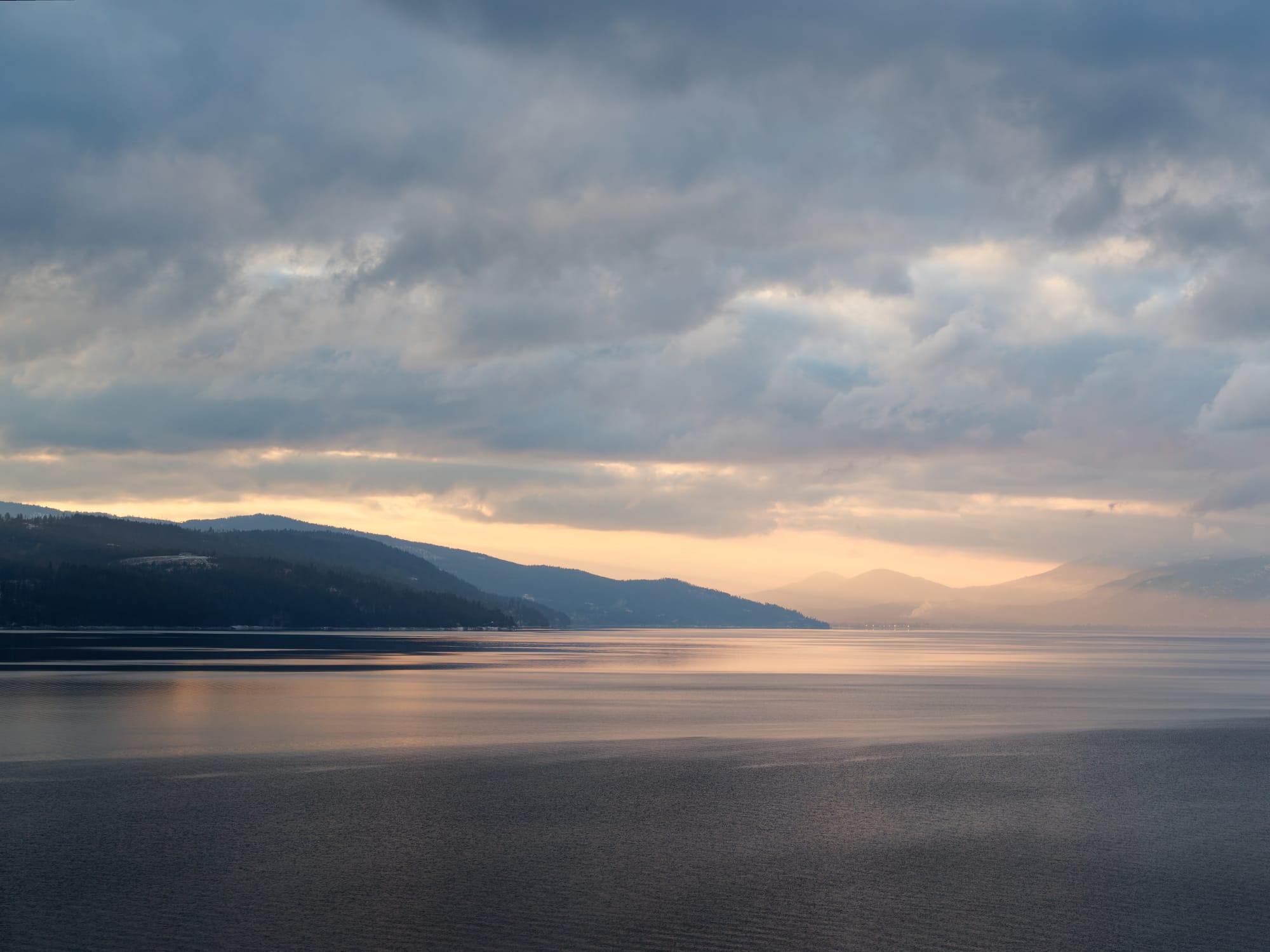
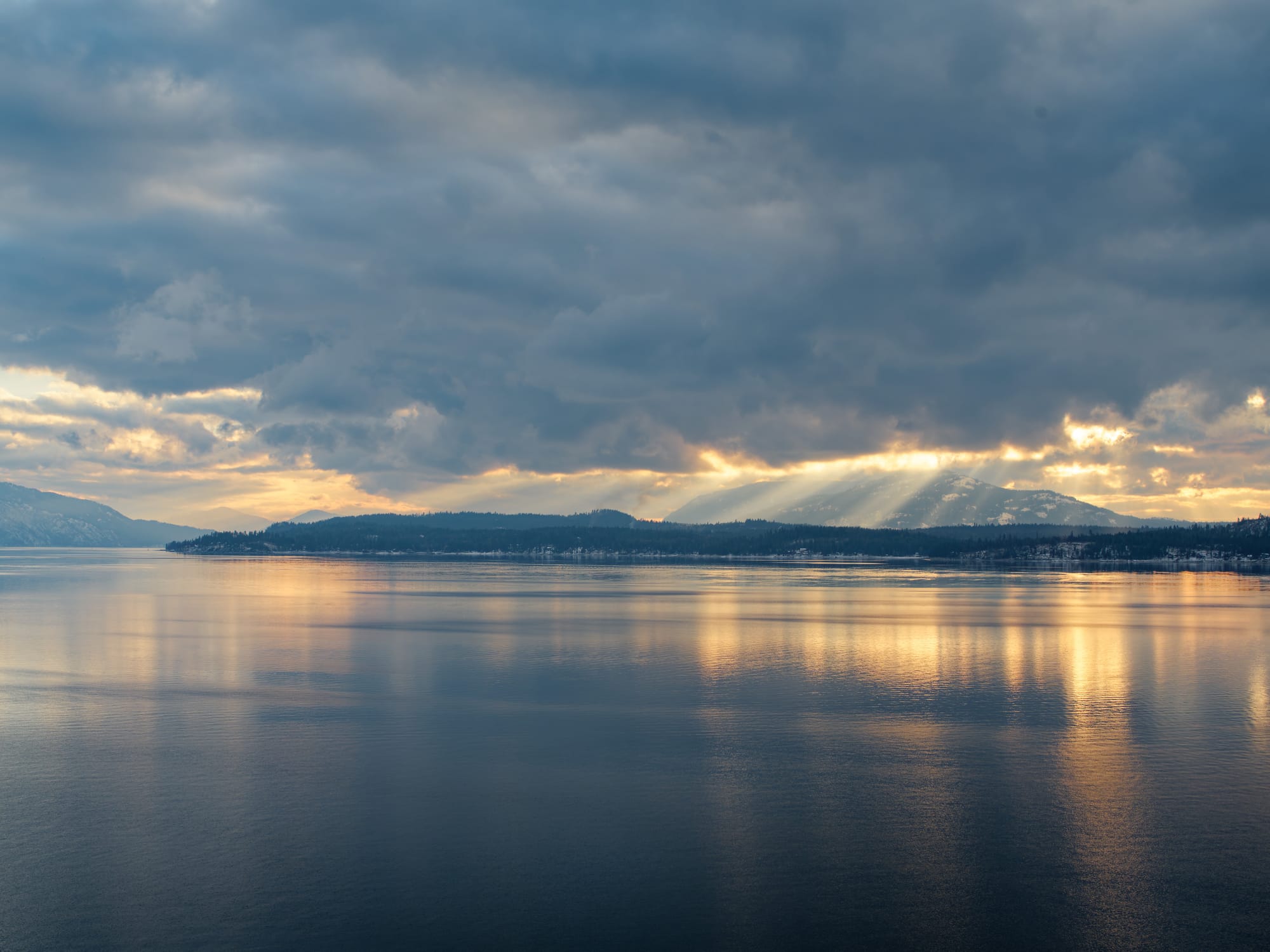
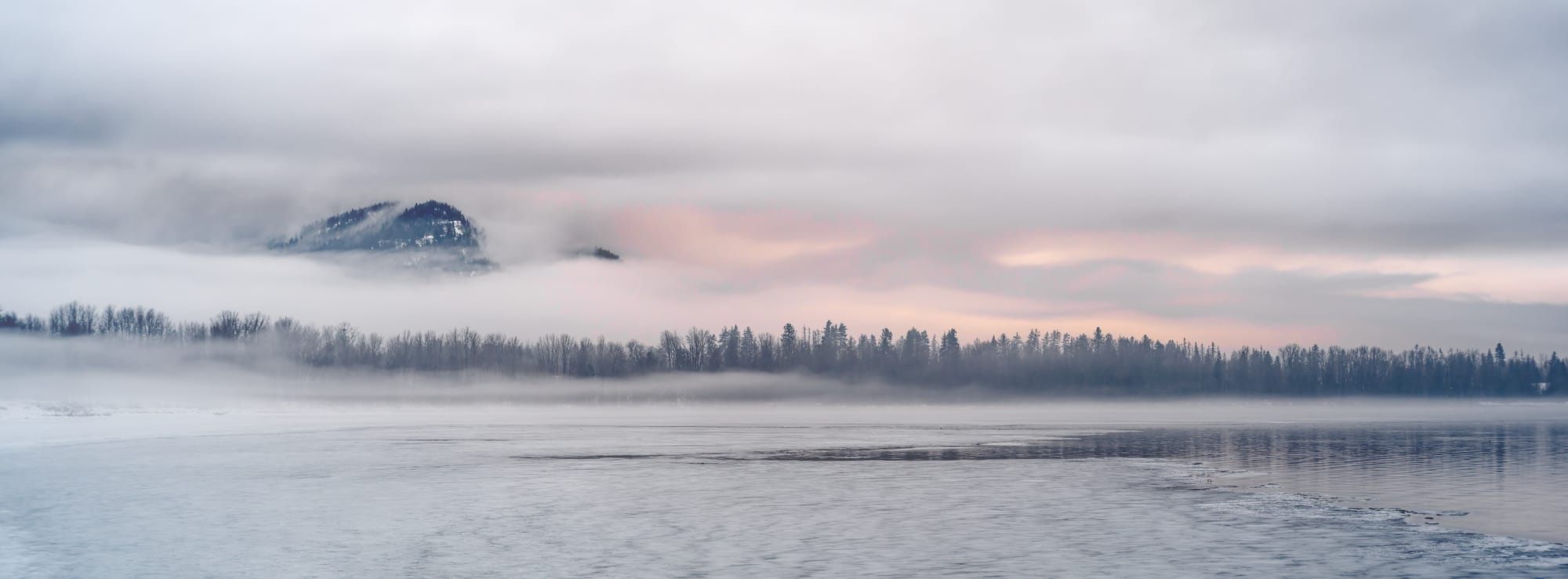
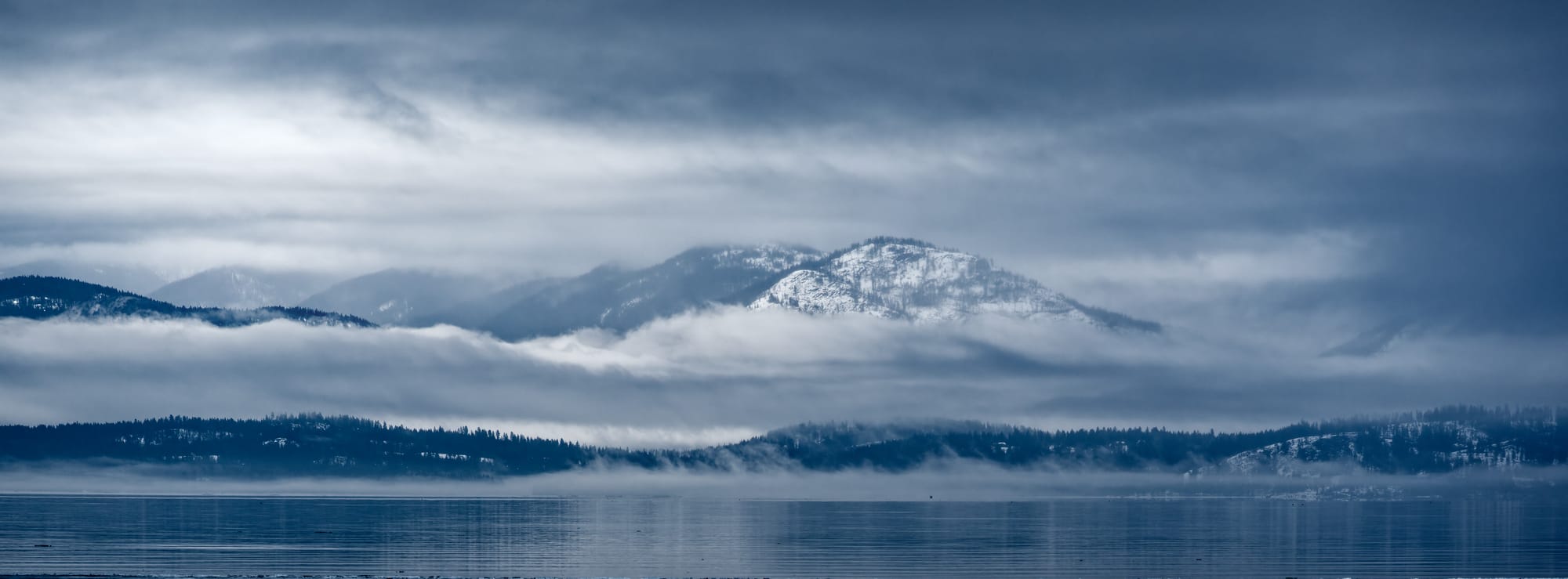
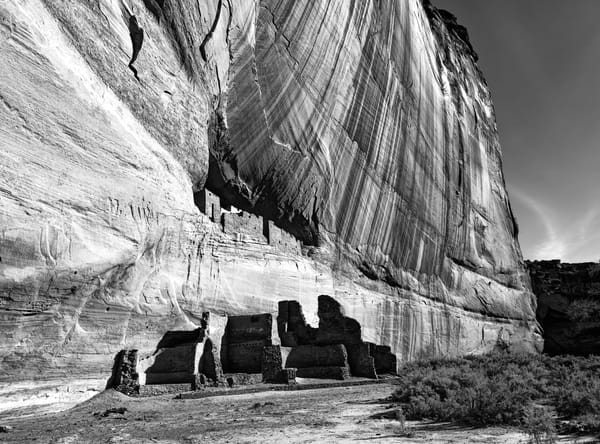
Big Landscapes (Top three with 500mm f5.6, next row 135mm f2.8, 55-110mm f4.5, 55-110mm f4.5, bottom two 70mm f5.6)