Teleconverters
Be fore-warned this is a technical photo post.
There are a couple of truths about photography, 1) The shot you get is better than the one you don't (it can still be crap however), 2) There is only so much light in a scene, you can't make more.
If you have followed my journey (and who hasn't :)) you will know I bought a 500mm f5.6 lens for my landscape photography.
 Doug Morse
This led to my inadvertently photographing birds and wildlife and the rest of that rabbit hole.
 Doug Morse
Now I have bought a 1.4x Teleconverter for my Fuji GFX 100s ii or rather my absurdly long lens. My primary motivation was to take better bird photos. (I know I claim some discomfort with this whole bird thing.)
BTW if you want to take bird pictures do not use what I do. You want a crop sensor camera like a Fuji XT series or the Micro-four-thirds from Olympus or Panasonic. The reason is that if you have a full frame or (like me) a medium format sensor you will almost always crop the image a lot because birds are usually a small part of the picture. You might as well have the camera do that for you. With that comes a much cheaper choice of optics. Lenses can be much longer and faster for lower cost. Long zoom lenses are also available. The equipment overall will be cheaper and lighter weight. These cameras also have better autofocus (compared to mine). (Fuji XT 150-600mm f5.6 lens is $2400 compared to my GFX 500mm f5.6 prime (no zoom) at $4,000.)
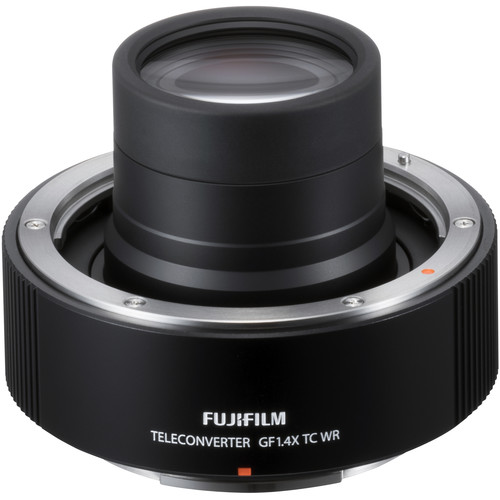
For those unfamiliar with such things, a teleconverter is a device to make your lenses a little longer. It is kind of a cheat as it is often cheaper to add a teleconverter to a lens than get the longer lens. (In my case there are no longer lenses available.)
There is also no free lunch. First it is a bunch more glass in the way of the image and so inevitably adds distortion and more surfaces which creates more internal reflections. Being Fuji makes it means this is also minimized. Also, because the lens it is attached to does not change in size it reduces the amount of light coming into the film or sensor.
Teleconverters come in two flavors generally the 1.4x variety and the 2x variety. Mine is the 1.4x and so makes the focal length 1.4 times longer. My 500mm lens becomes 700mm focal length which gets me much closer to a 'birding lens ideal of 800mm'. The tradeoff is that I lose one stop of brightness so my f5.6 aperture becomes f8. (The 2x teleconverter, if it existed for my camera, would make it 1000mm but reduce the max aperture to f11.)
It will be interesting to see over time how the one stop of light works out. It will be a problem with high shutter speeds reducing the shutter speed in half or raising the ISO to one stop and increasing noise.
I took it out for a quick spin at the local lake where I can usually find some waterfowl, then again, the next morning walking the dog.
It does make the camera noticeably heavier, adding about 1 lb. It is small but basically just a chunk of glass. The lens lengthens about an inch or so. The change in focal length is immediately obvious, and I have to re-orientate finding the subject as a result. My eye is trained well to what to expect to see in the viewfinder at 500mm and some adjustment is needed.
For birds it helps enormously. Suddenly the autofocus bird subject mode is picking out birds much more reliably. This helps a lot especially for birds in flight.
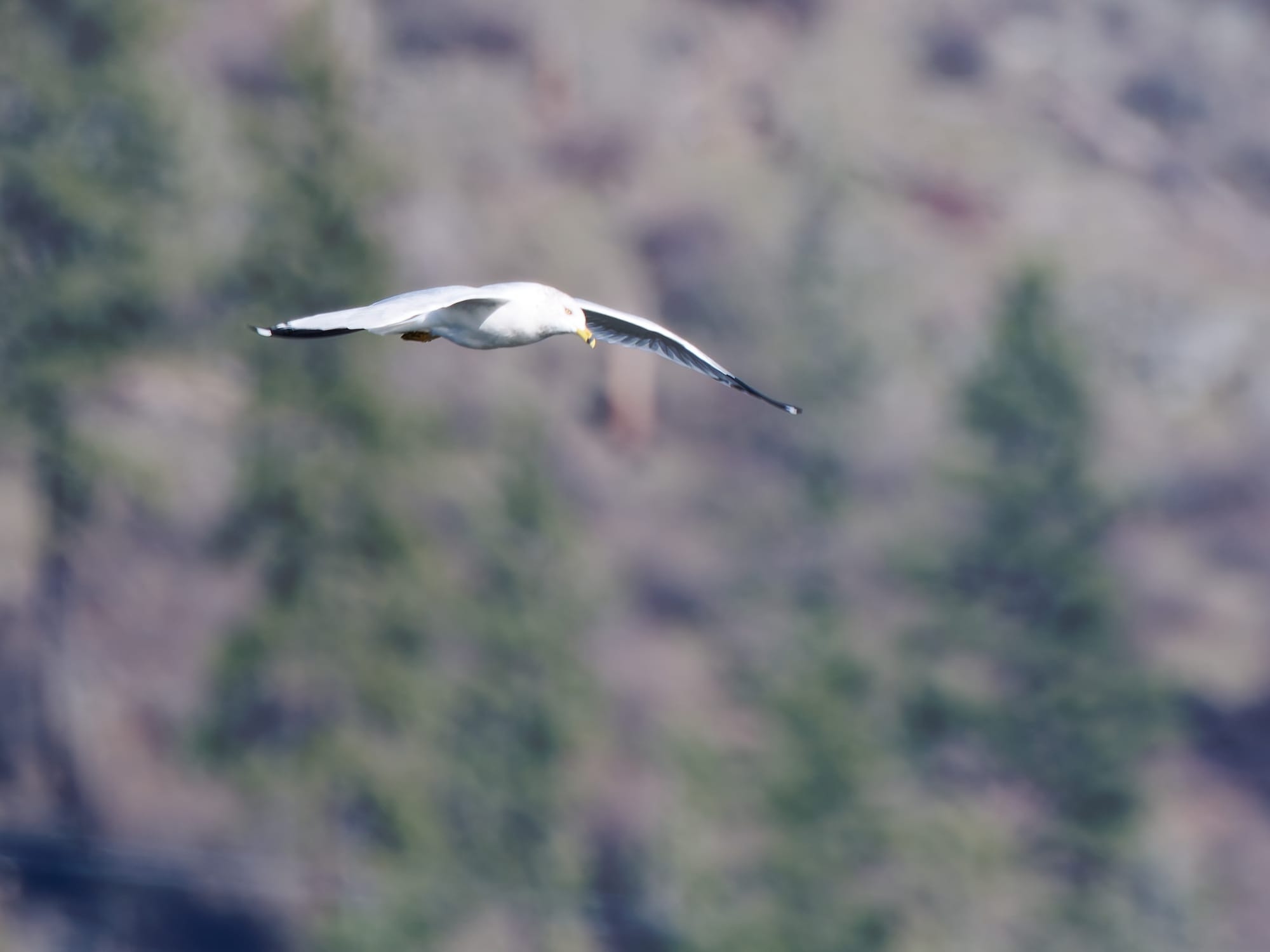
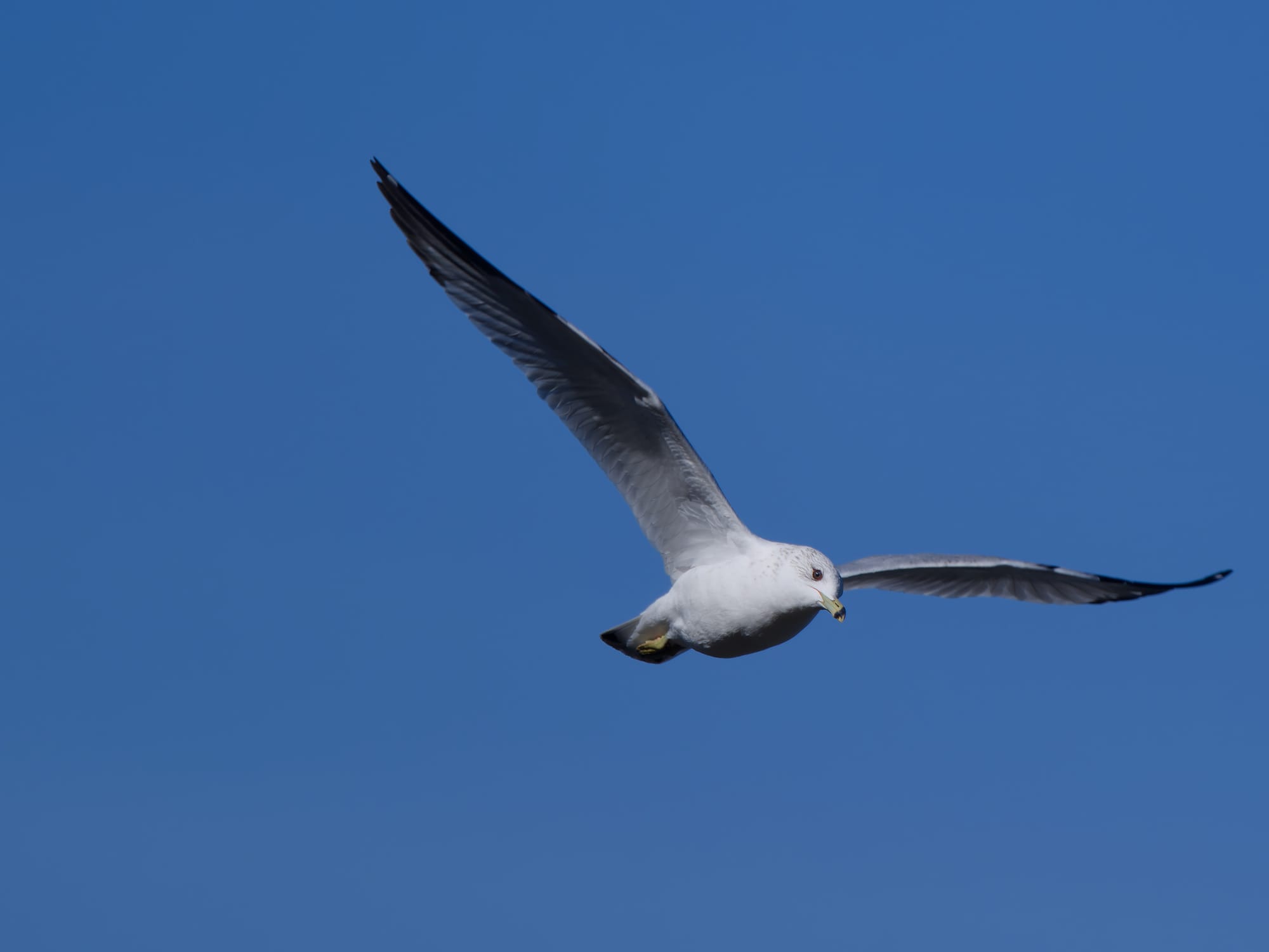
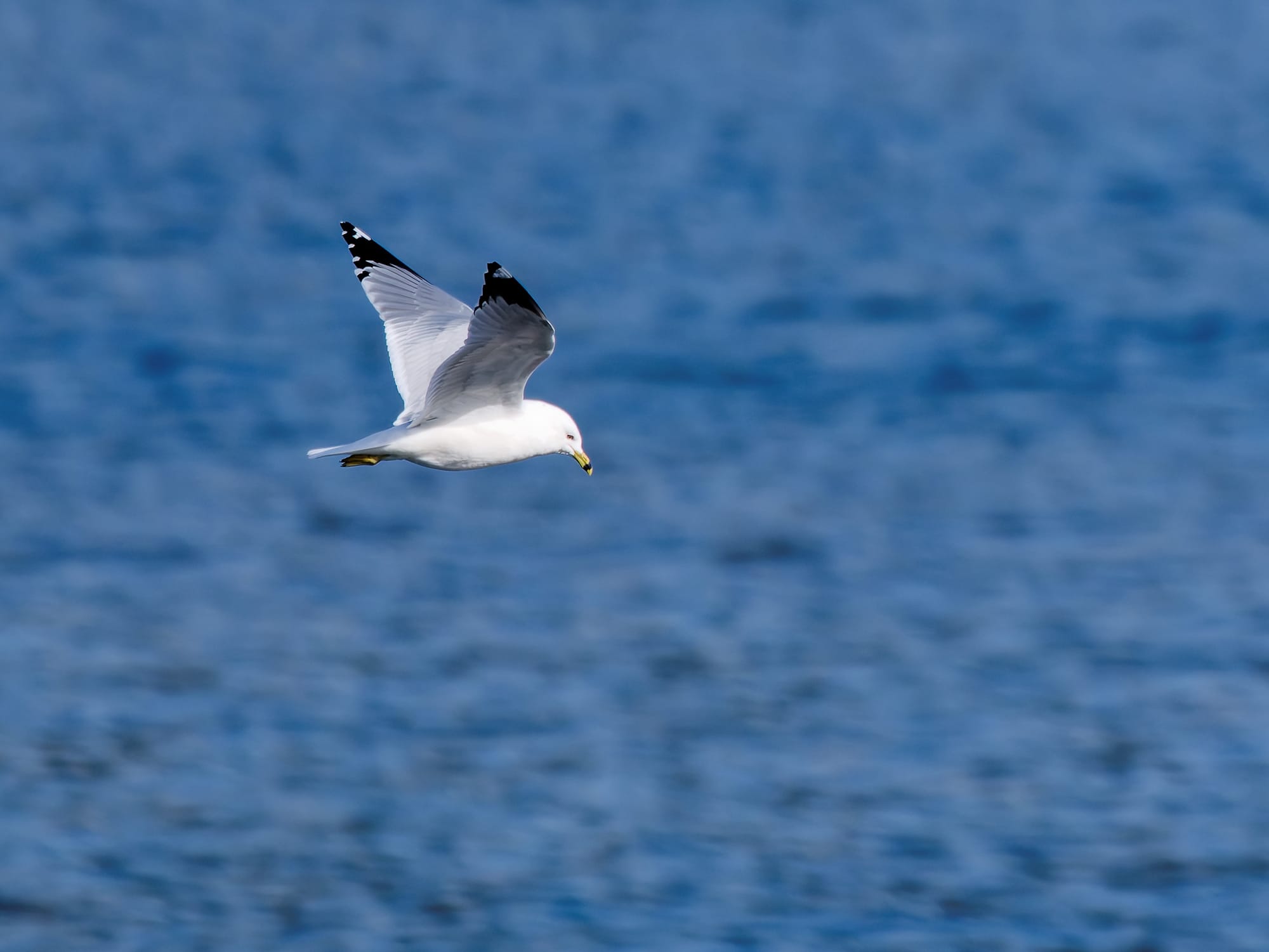
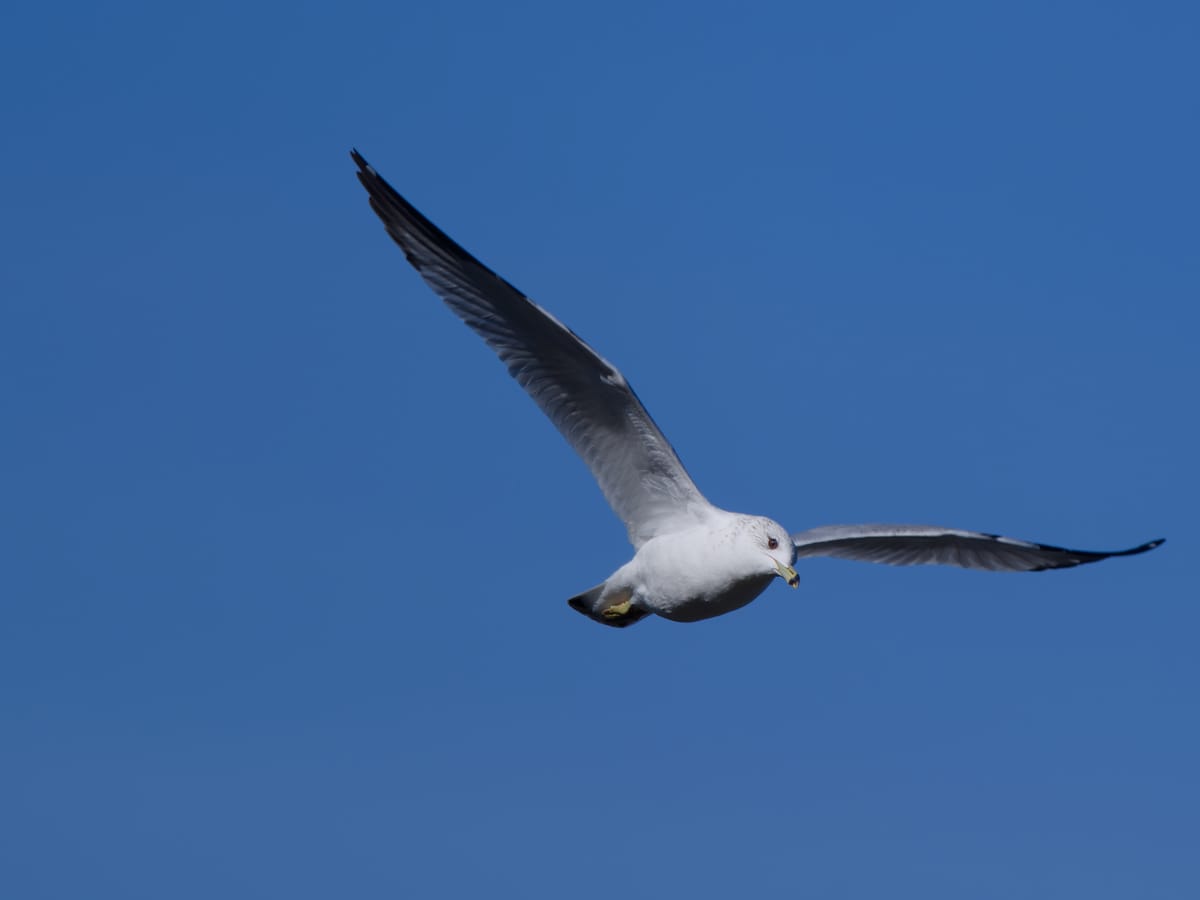
Ring-billed Gull. 500mm with 1.4x teleconverter. All images cropped from RAW files. (Left to right f8 1/500 sec ISO 400, f8 1/550 ISO 160, f8 1/2000 ISO 2000) (Resampled to 3840 pixels across)
I still must crop but now I can have many more pixels in each crop. I found to really get the most of these cropped images it is best to use the RAW files which I process with DxO PhotoLab to remove noise and compensate for lens sharpness and distortion. DxO has profiles for the 500mm and the 1.4x teleconverter.
Below are a few more examples.
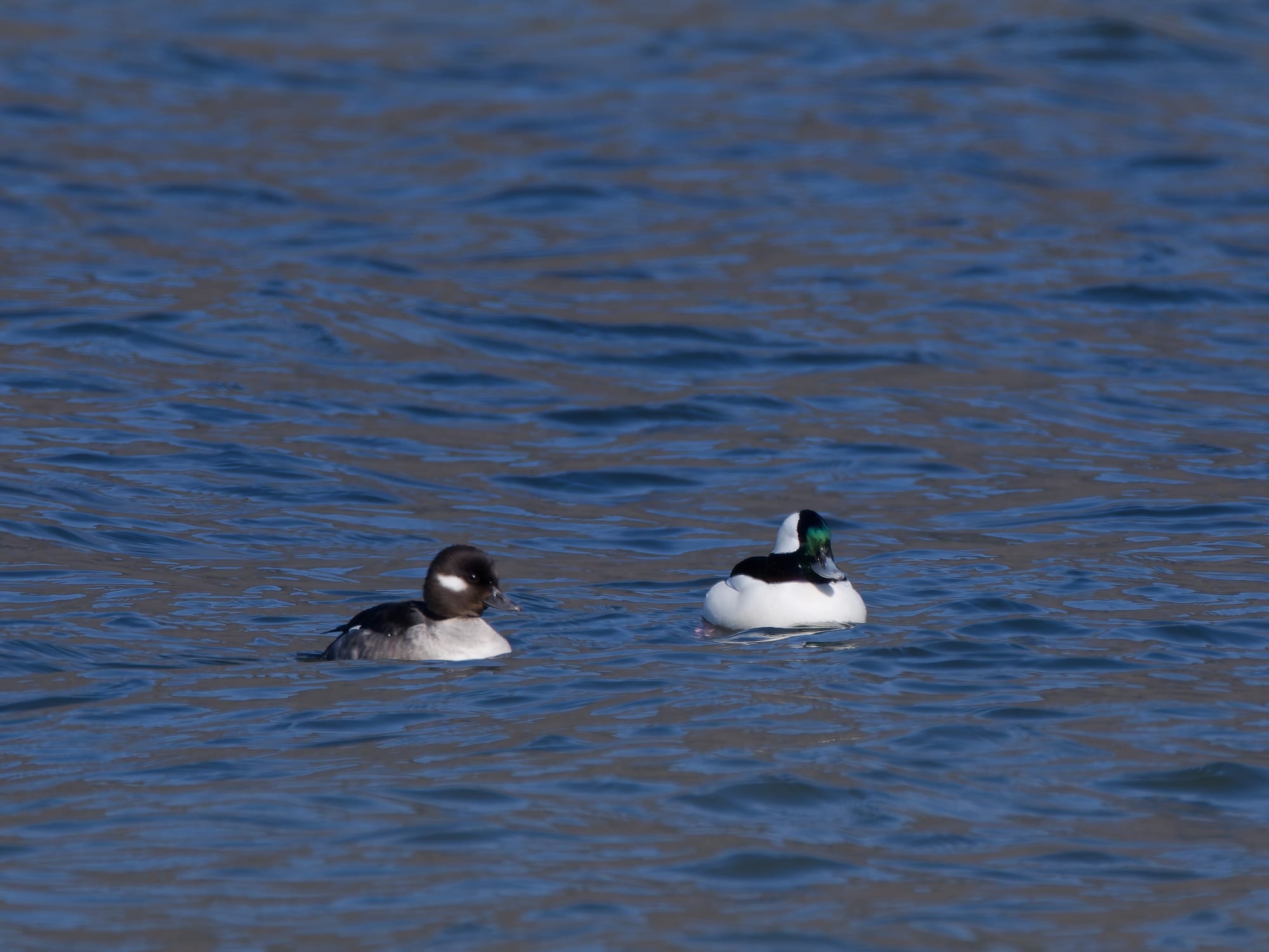
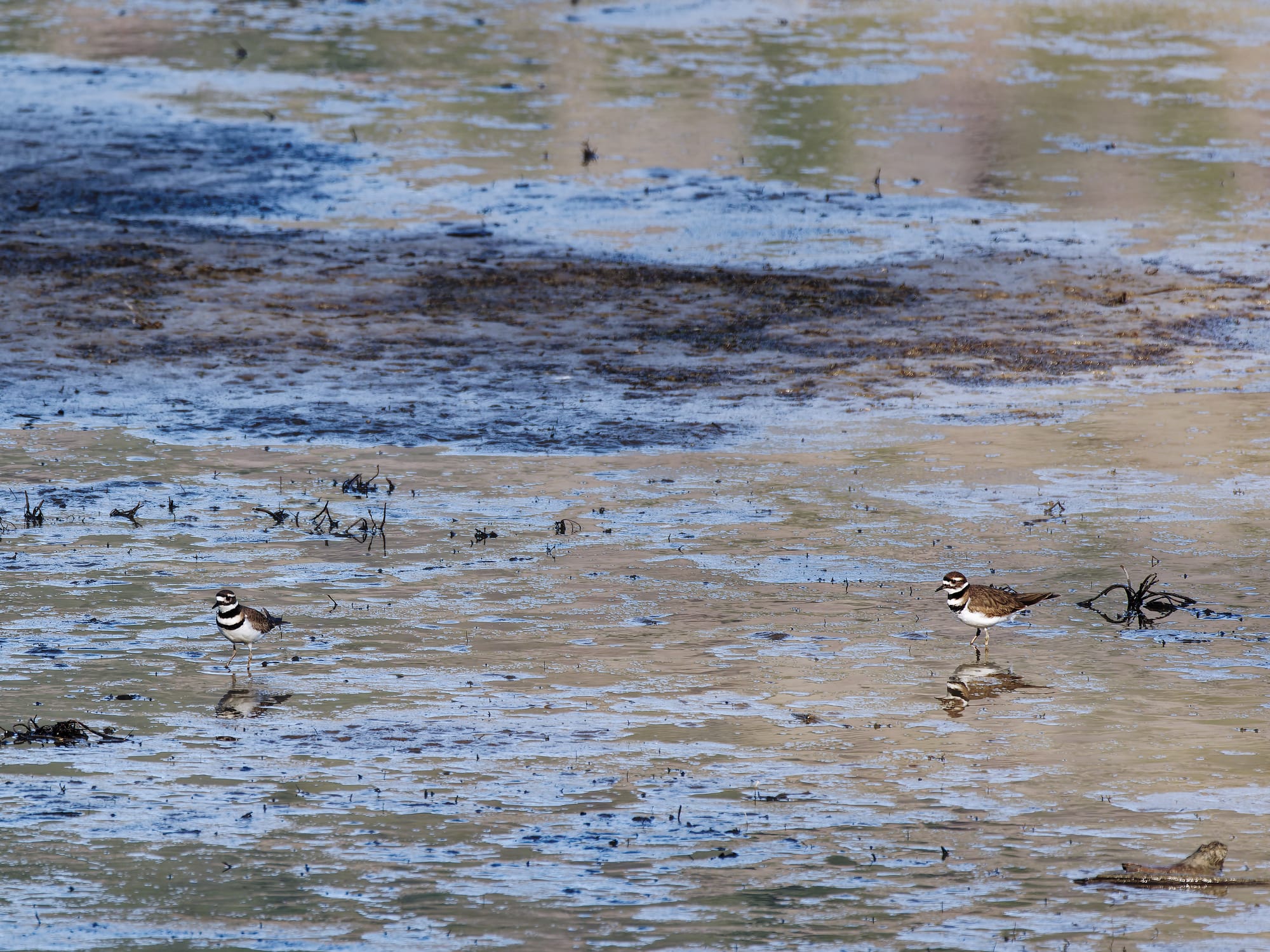
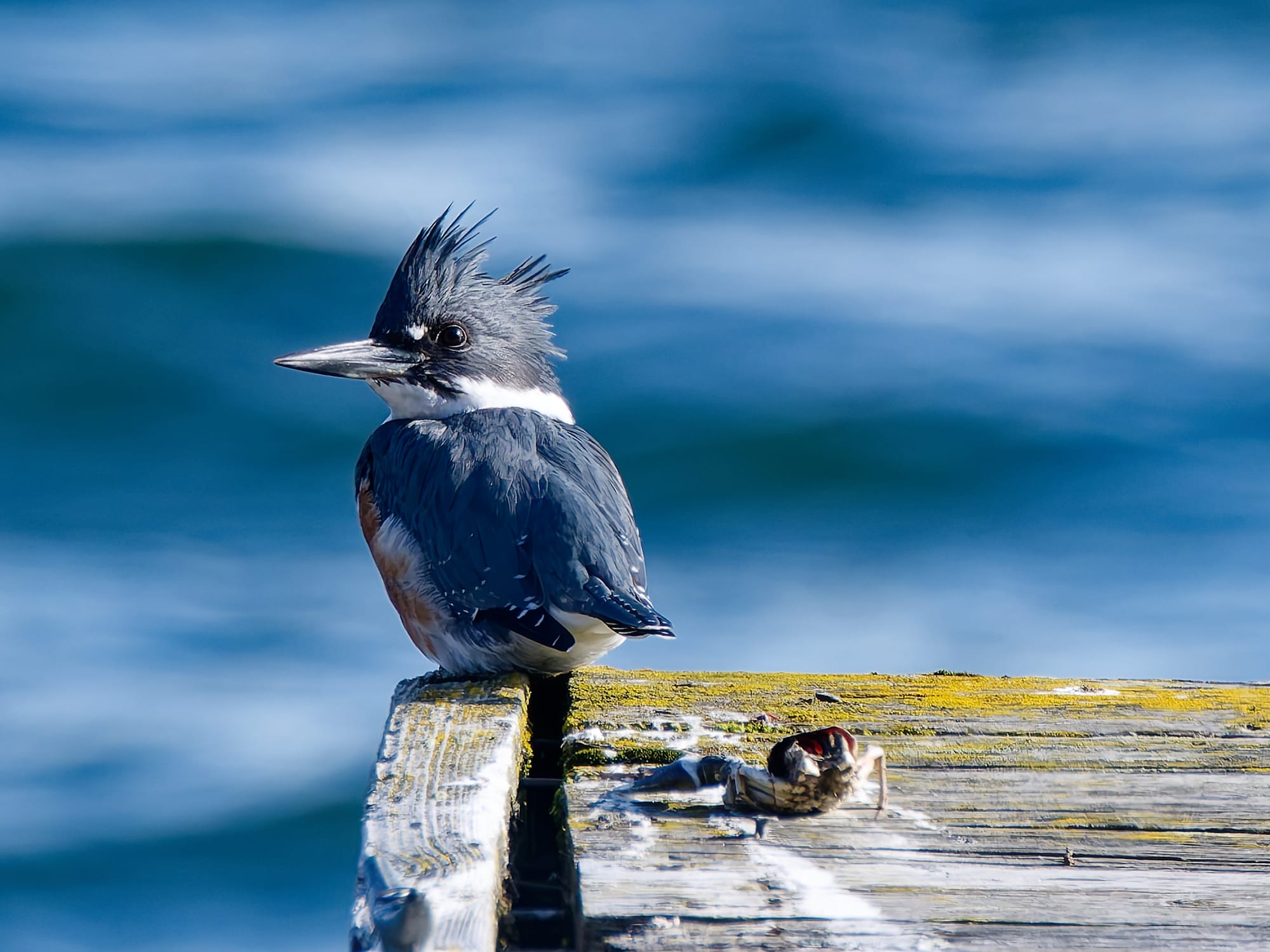
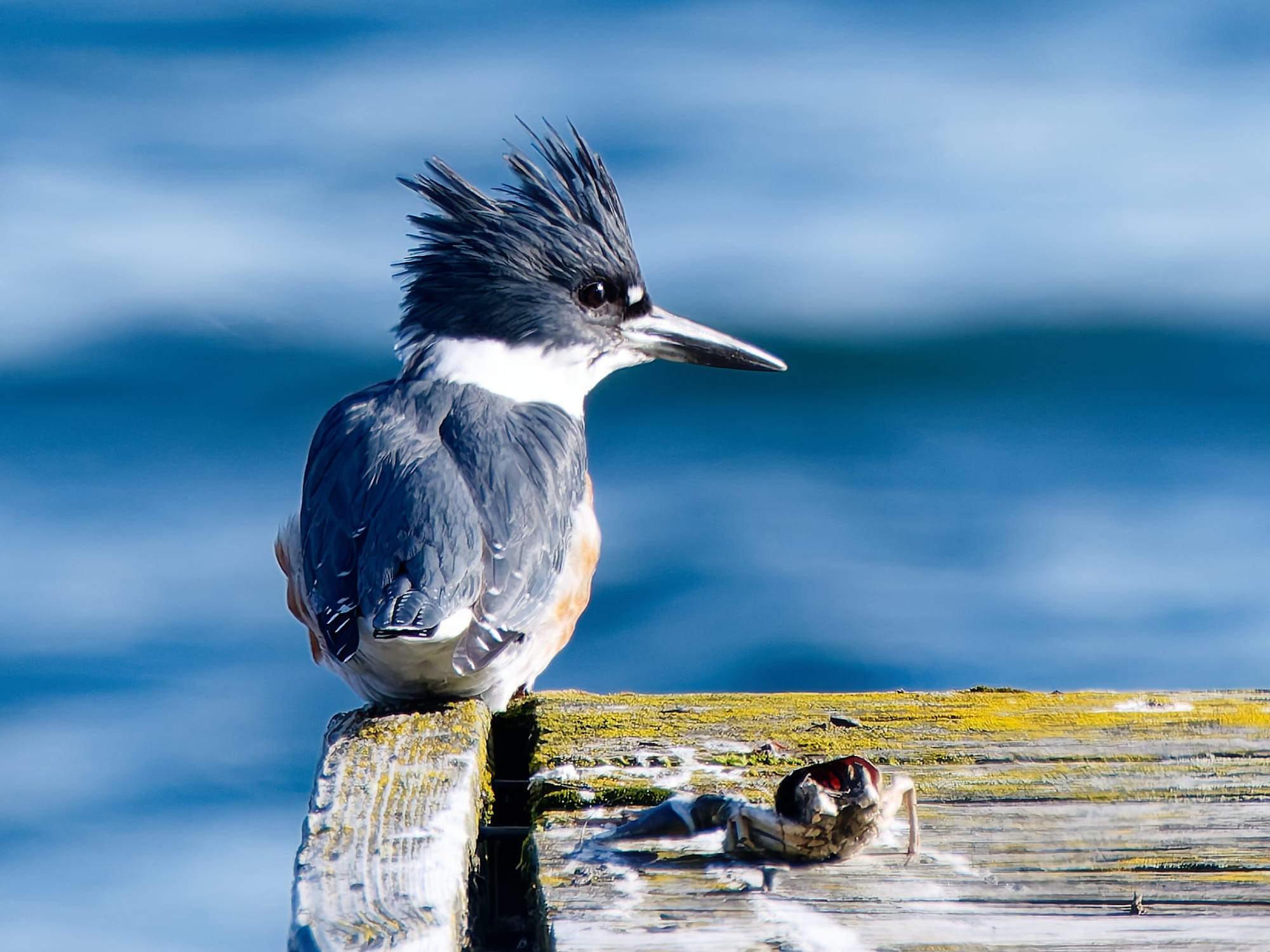
Upper left clockwise, Buffleheads (female and male), Killdeer, Belted Kingfisher and crawdad shell. (f8 1/500 ISO 250, f8 1/500 ISO 800, f10, 1/500 ISO 1250, f10 1/500 ISO 1250) (Resampled to 3840 pixels on long axis.)
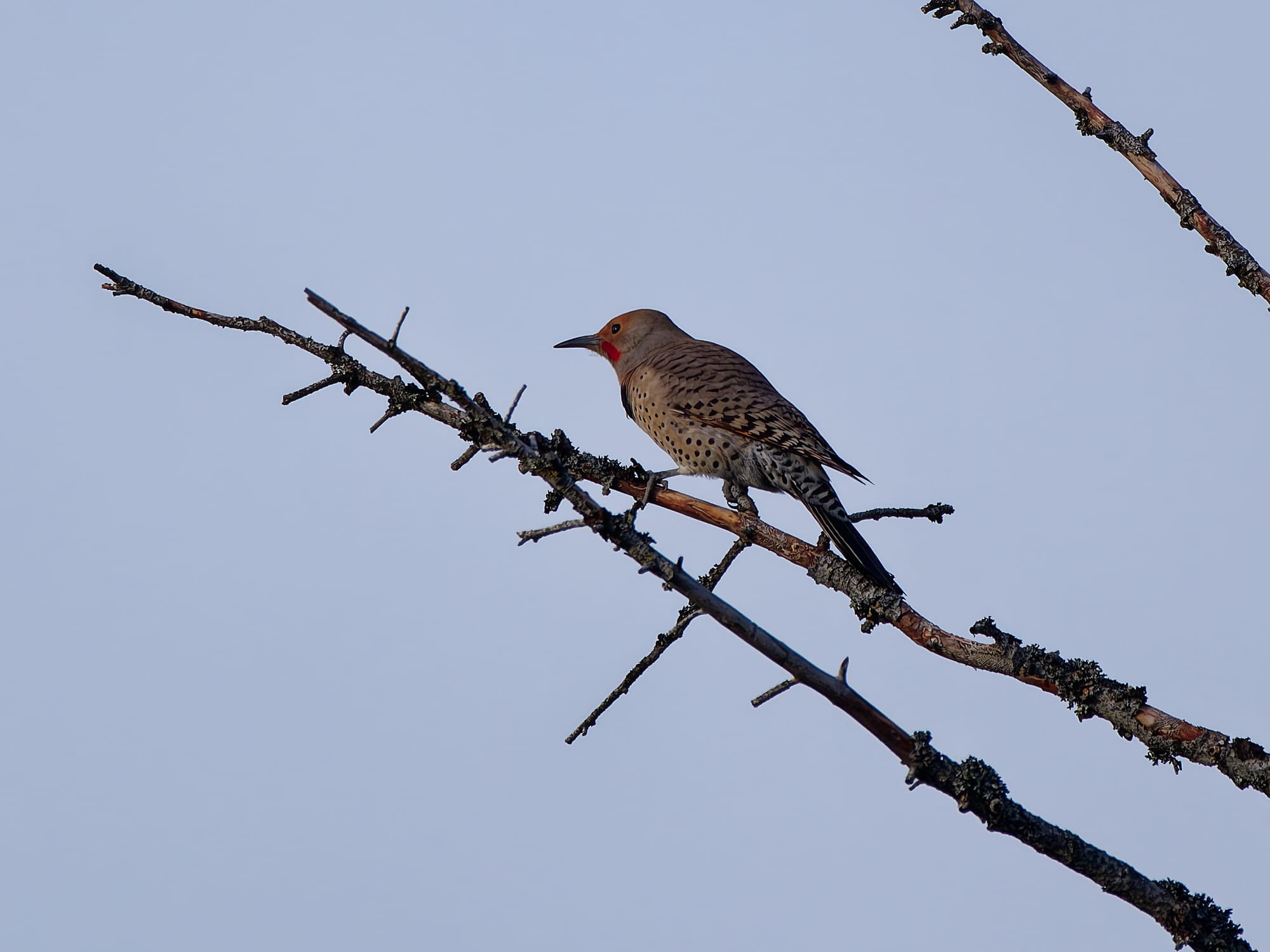
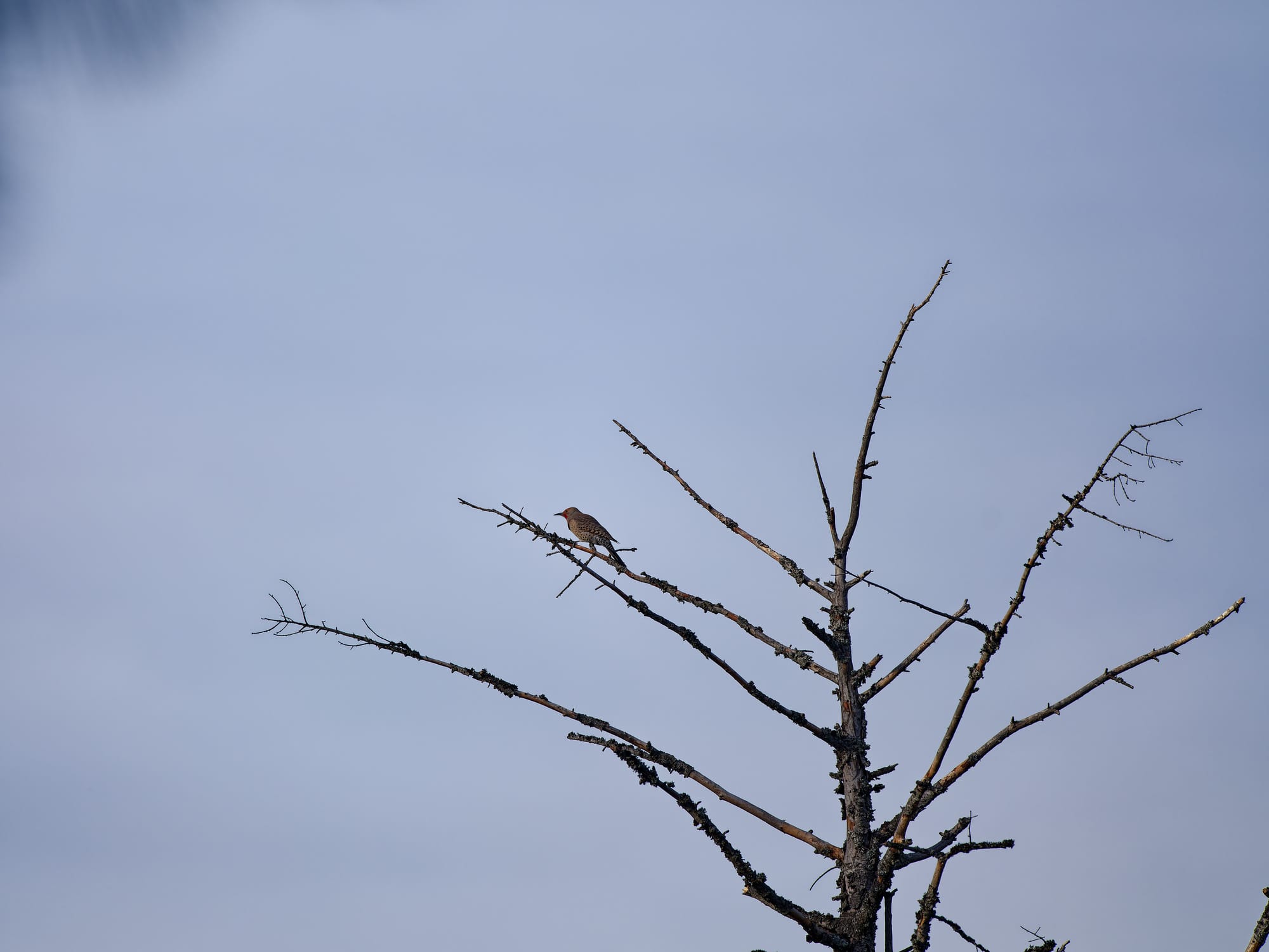
Northern Flicker. Full image right, cropped version left. (both resampled to 3840 pixels on long axis)
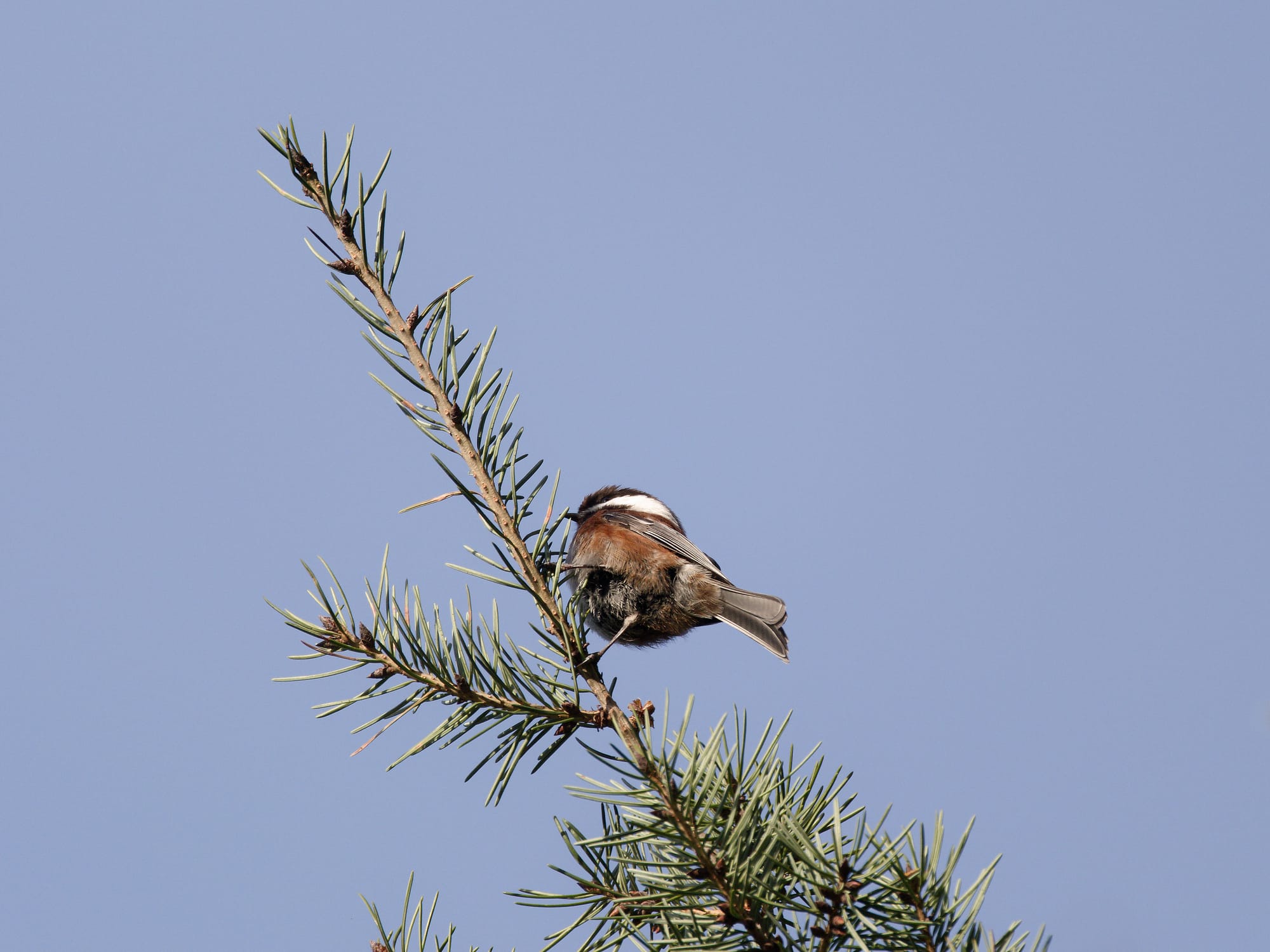
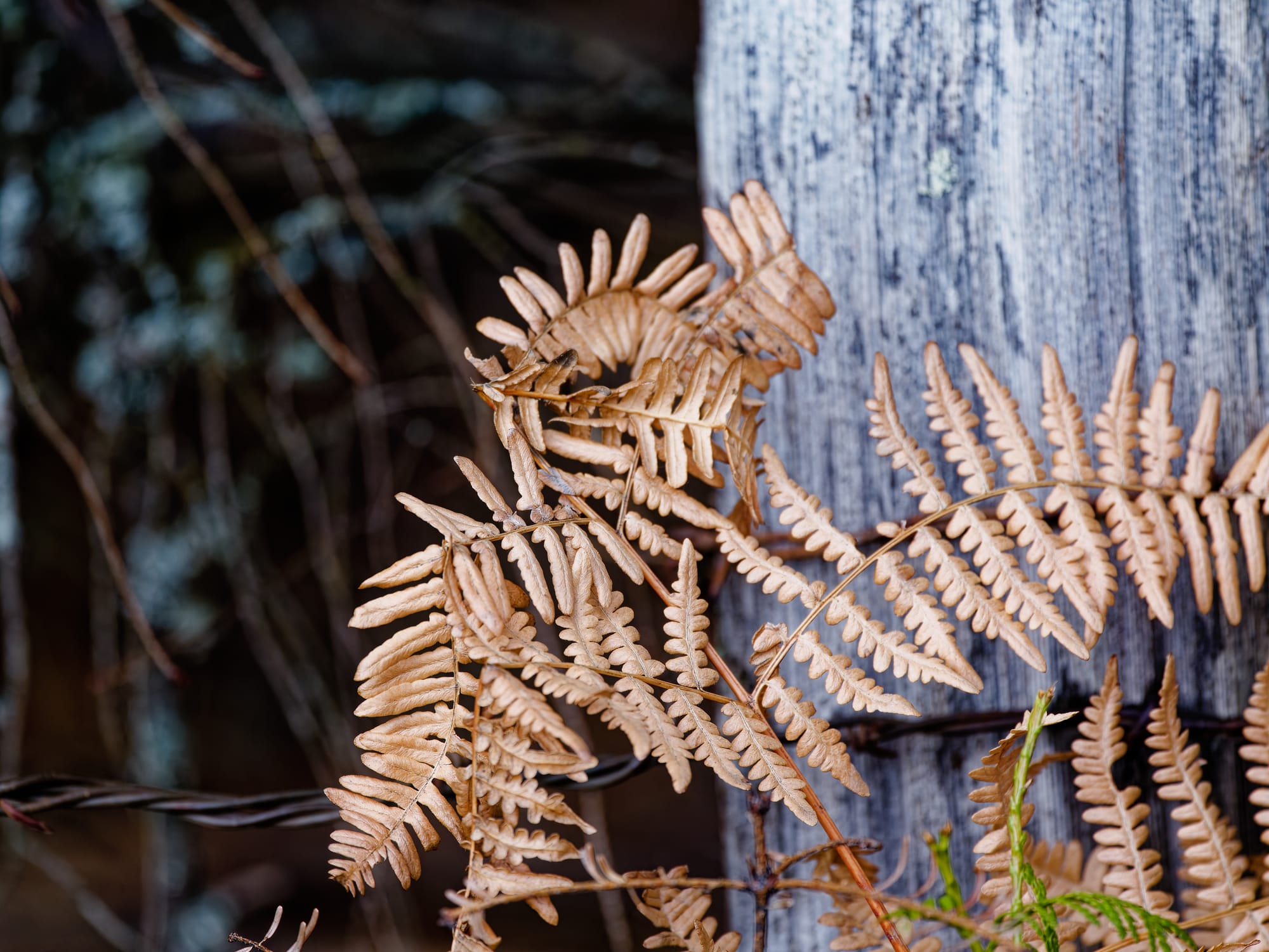
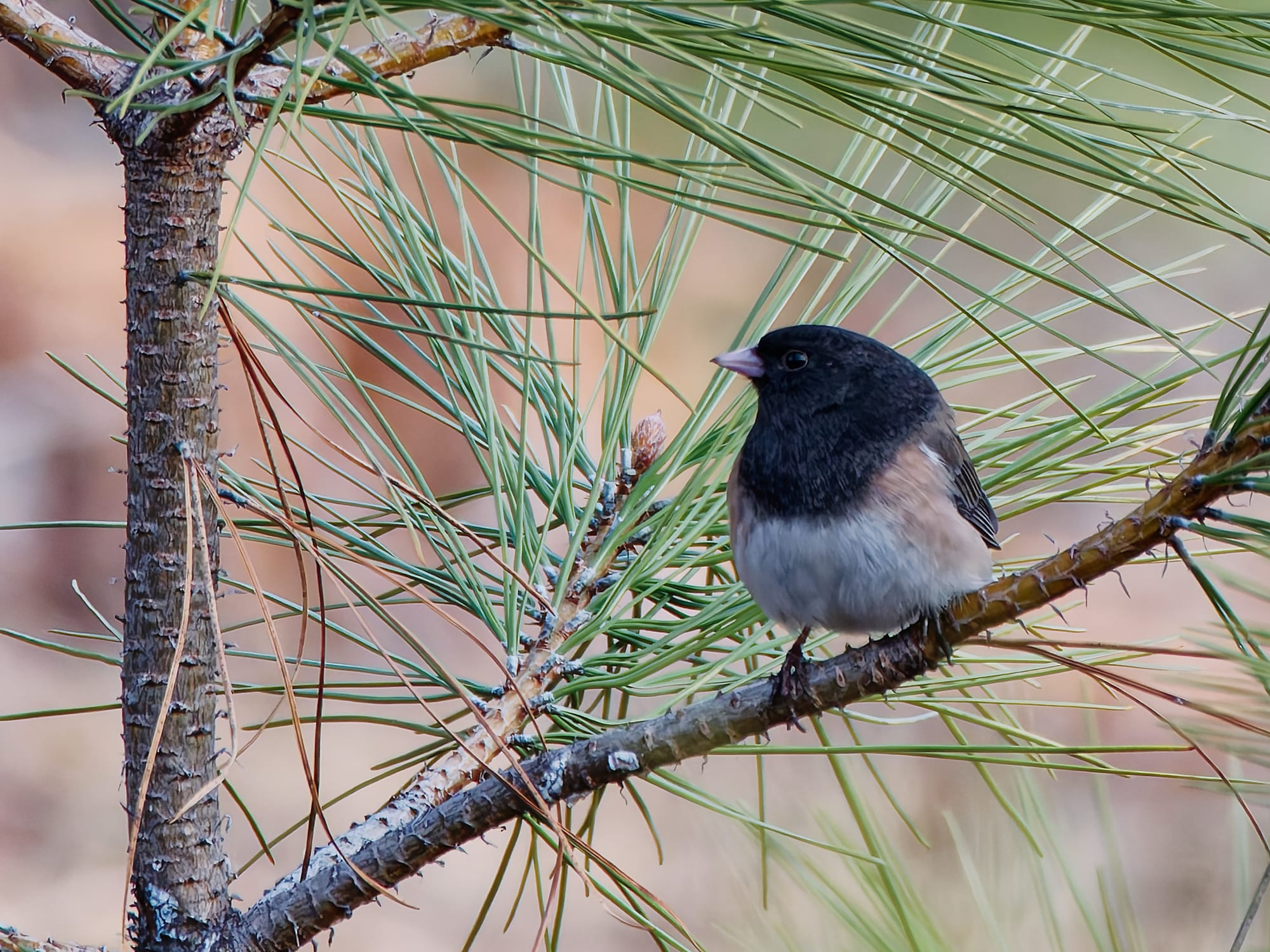
Black-capped Chickadee, Fern and Fencepost, Dark-eyed Junco
I did buy a 2x teleconverter for my Mamiya 645 lenses which I used on that camera before I switched to digital. I did try this teleconverter adapted to my GFX 50s ii and found with a couple of test images that there did not seem to be much difference in image quality between the 150mm f4 Mamiya lens cropped to 300mm effective field of view and the 150mm tele-converted to 300mm. The teleconverter made the image quality of the two very similar. This is often the problem, are you better off just cropping?
 MorseBlog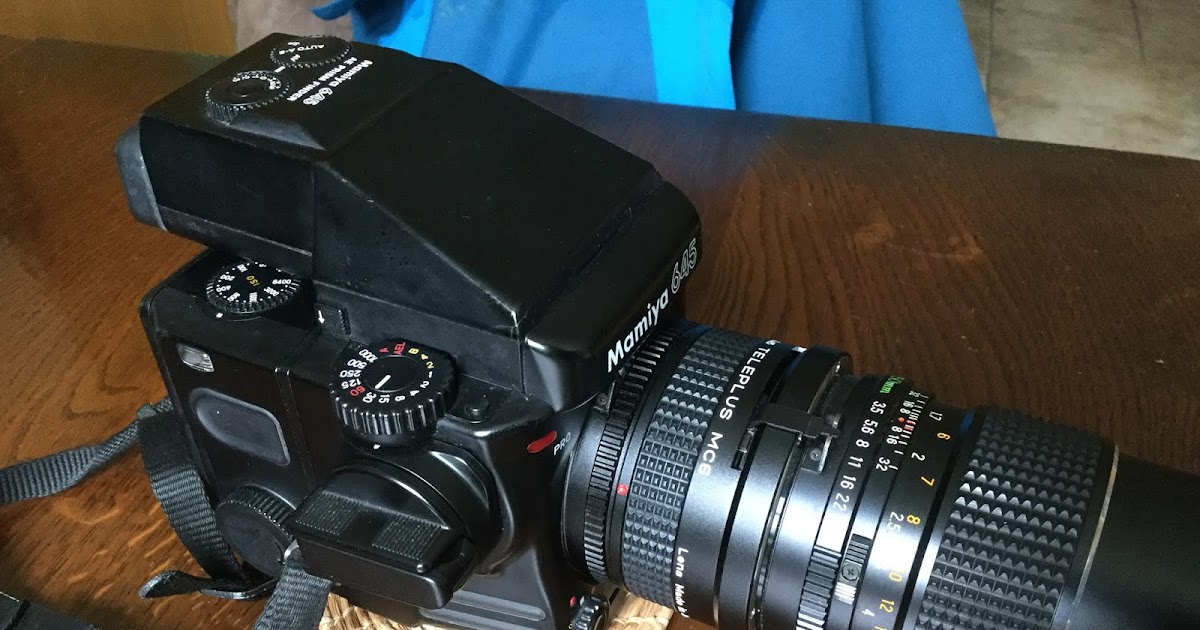
From my legacy blog.