Sonoran Desert Winter
Creosote
When you first drop into the Sonoran desert and it has been raining the previous day or two there is, on the air, the unmistakable smell of the creosote bush. Being as smell is the most potent invokers of memory it strikes me powerfully.
To start with the smell is only faintly reminiscent of the chemical creosote as used on railway sleepers. That smell is stronger and more powerful, the smell of walking a railway line in summer. Being a wood preservative it smells of petrochemicals and the vaguely unhealthy.
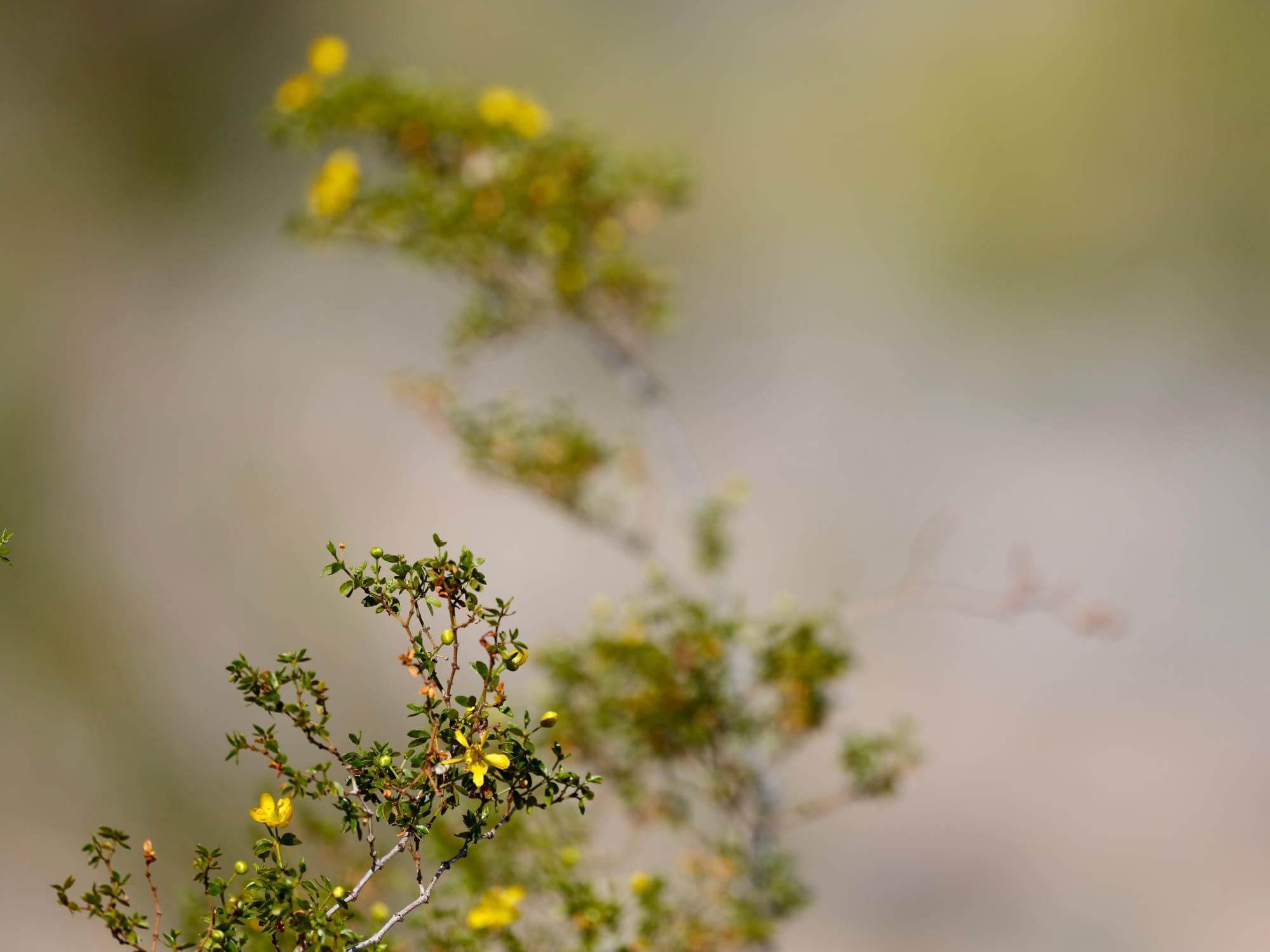
The creosote bush however is a unique smell that while like an herb it is not, in my mind, possible to think of an analog. It is not sweet like the mints, nor is it savory like oregano or marjoram, it is not as powerful as rosemary. Like sage it is the smell of a dry landscpe that drifts on the wind but it is not as pungent.
Instead creosote presents an odor which I can only call ‘clean’ though not antiseptic. It fills the damp desert air after rain or when its small brittle leaves are crushed. Roll them between your fingers and release their light oils as you bring it up to your nose. Inhale deeply a scent strange and beguiling.
The creosote plant itself often dominates the desert floor, especially in the flat basins where it is dotted with astonishing regularity. It is thought that the chemicals the leaves produce drop to the ground and discourage growth around it. Though one can find rabbitbush or brittle-bush tucked up under a creosote bush.
To call them a bush I suppose is to use a default term and they are not so much bushes but scraggly collections of erratic branches spraying up from a base. There on the ends are the small brittle leaves. They are almost the incarnation of plant chaos.
If you climb into foothills they seem to become scarcer and this allows for a greater variety of other desert plants. Perhaps they want less well drained soils.
When I was a boy my Grandparents lived a couple of hours away in the Sonoran desert. My Grandmother had a great love of the desert where she lived retired with my Grandfather who built a small pond and waterfall.
The pond attracted all sorts of desert creatures, deer, mountain lion, javalina, rattlesnakes, rabbits, gila monsters, birds. She taught her grandchildren the names of the plants and animals and a love and respect for the place. The smell of creosote evokes those gentle lessons.
Rain
In the winter there can be rains here. Rain in the desert has, from me, a pass, an exemption, that it might not receive in other climates. Rain is of course infrequent here and because of that falls for me like a benediction. It is cool and for once the sun does not dominate as the cool blue-gray clouds creep in from the west. In winter the rains drift in over mountain ranges and though when they reach the desert most of the moisture and strength has been wrung from them.
The rain in winter is most often gentle and intermittent. It falls as light patters on roofs and clothing. The air is warmer than winter rain in other climes and can invite one out for activity which stays comfortable despite the level of exertion. Being rain it keeps some people indoors and lets those of us slightly more intrepid to play outside without encounter.
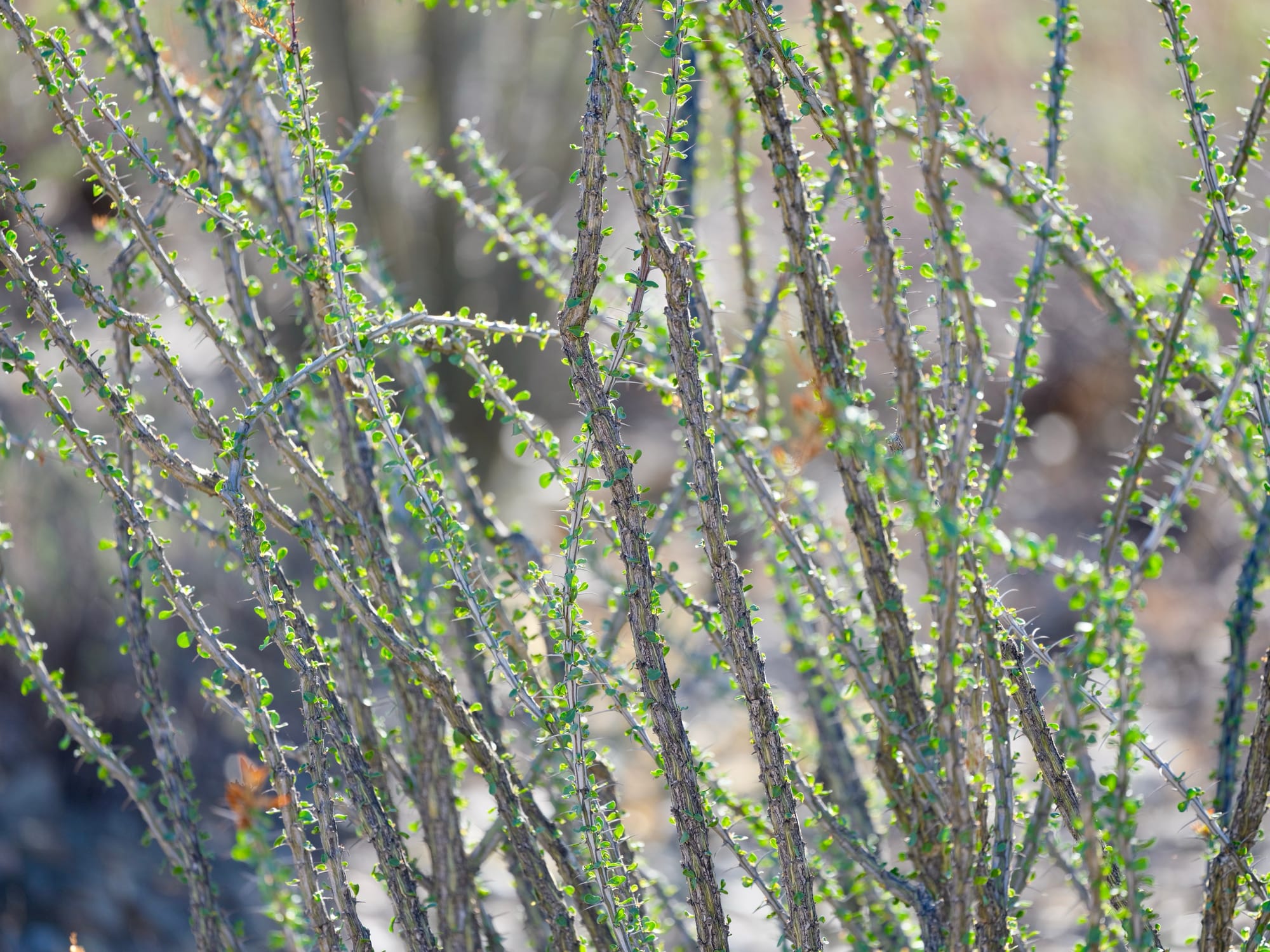
Rain is of course the great blessing of the desert. Essential; virtually everywhere it is celebrated in the Sonoran desert. The small plants that look dead and scraggly will put on a fresh coat of leaves. The strange ocotillo with is jutting spiked arms becomes festooned with small oval green leaves, flame red flowers may brandish from the tops four or five feet overhead. Days after the rains have passed these leaves will wither and drop as the ocotillo prepares for another long wait, unwilling to waste water evaporting from even these small leafy surfaces. Long green bands extending the length of their spiny stalks provide sufficient photosynthesis until then.
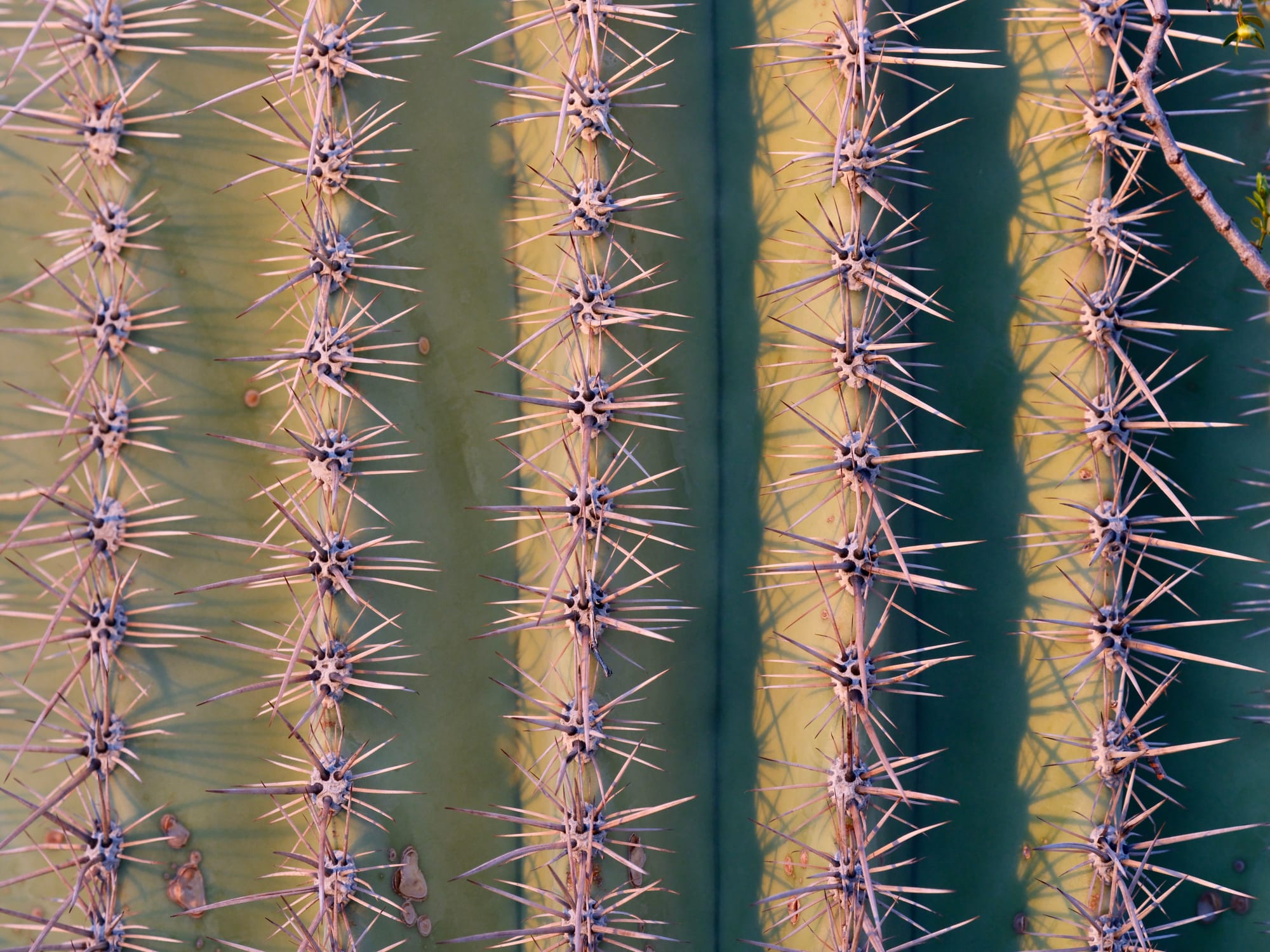
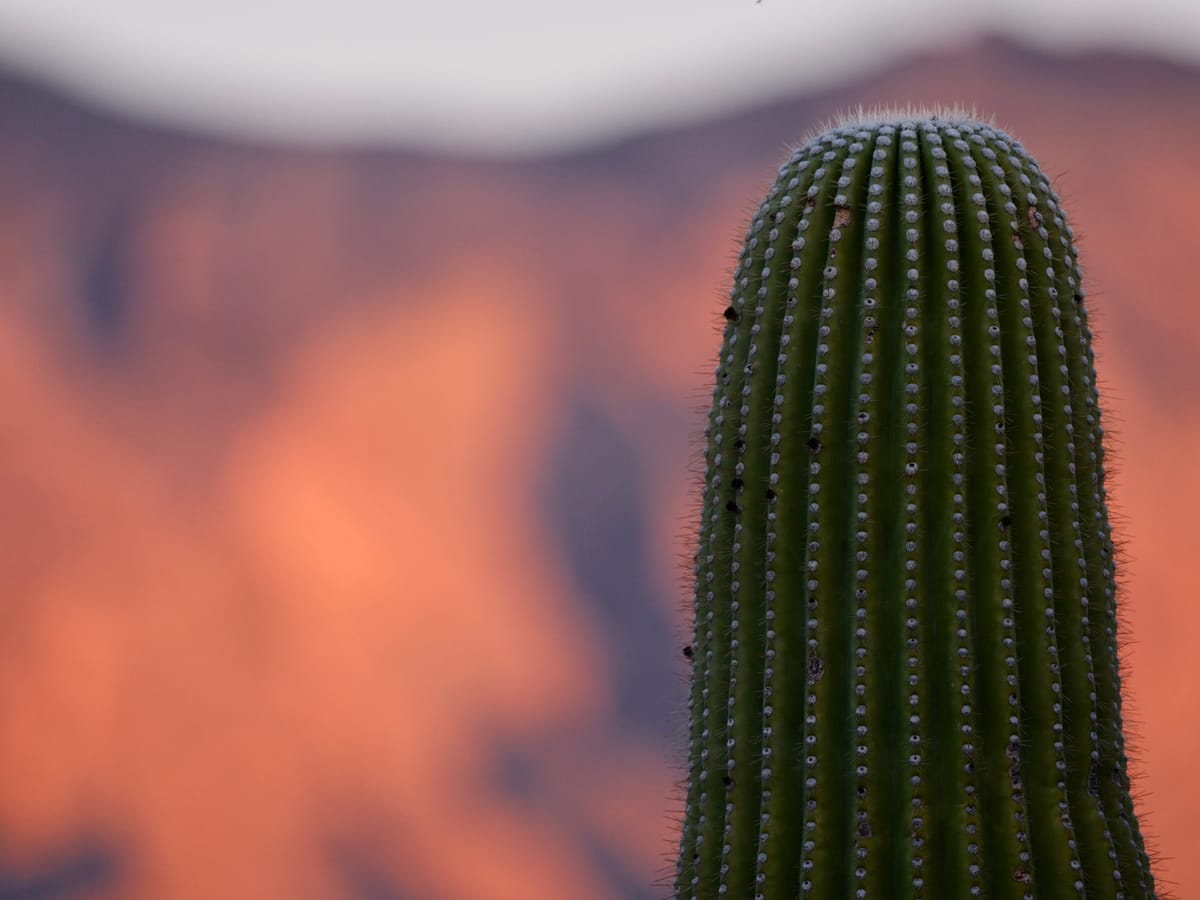
The great symbol of the Sonoran desert is the saguaro cactus, that grand thick fleshy cactus with great arms thrust into the air, swells its ribbed body to take in and store water. The saguaro is actually pleated, each pleat has small stars of spikes long enough to cover the furrow between the pleats. These pleats run up the length of the great trunk and up the arms as well. Thus they can expand and contract without cracking the delicate green skin. The saguaro, lacking leaves, uses its skin for photosynthesis.
Over the foothills and marching up the mountainsides these giants grow like sparse green grass when viewed at a distance.
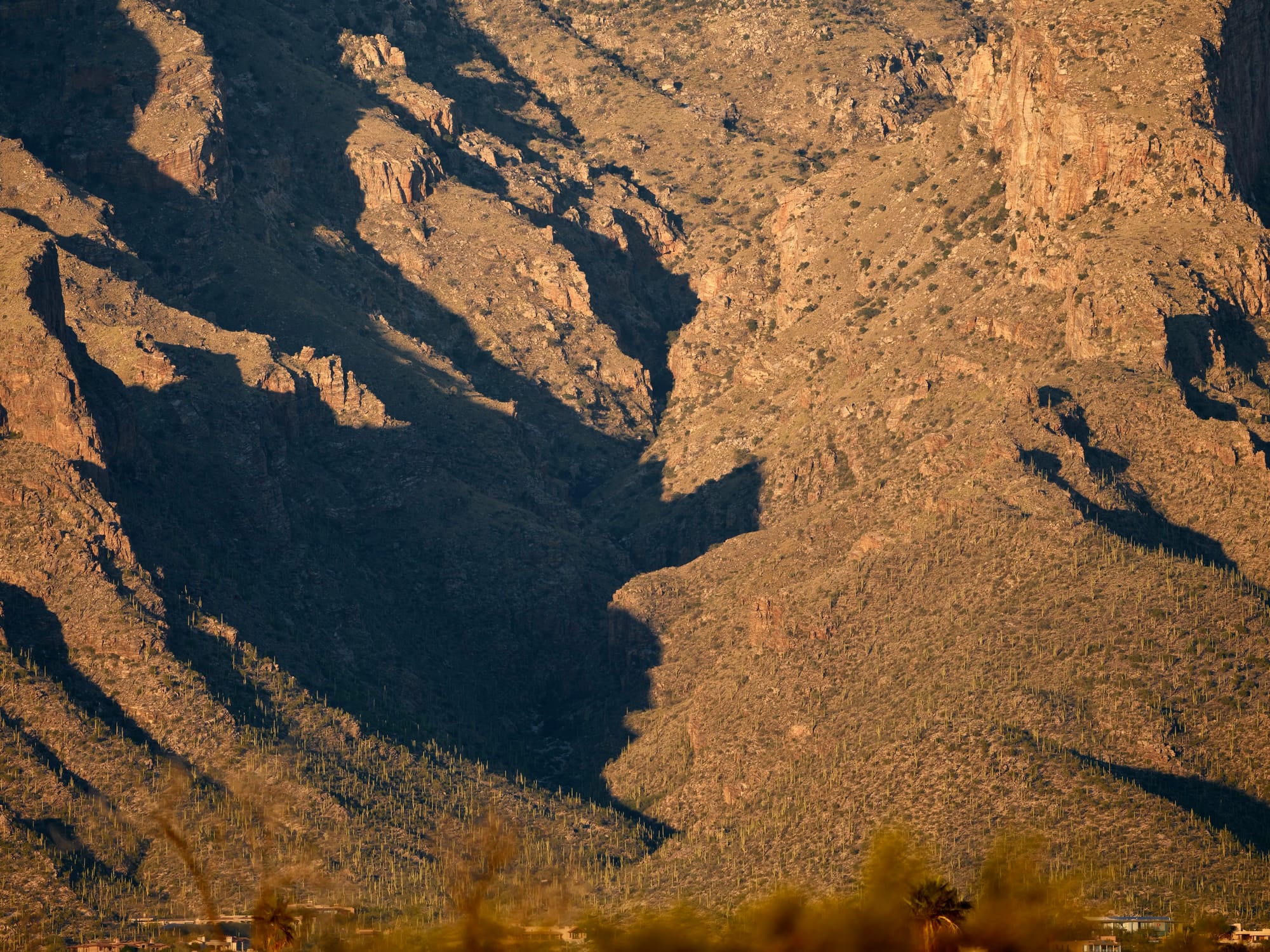
In these and other different ways the plants of the desert celebrate the return of the rains.
To the east and south of Tucson one encounters the basin and range country of Southeastern Arizona. This is a land of contrasts and history. Historically the domain of the Chiricahua Apache this is where the chiefs Cochise and Geronimo held off the American Calvary in one of the last stands against westward expansion before surrendering to a squalid life on reservations.
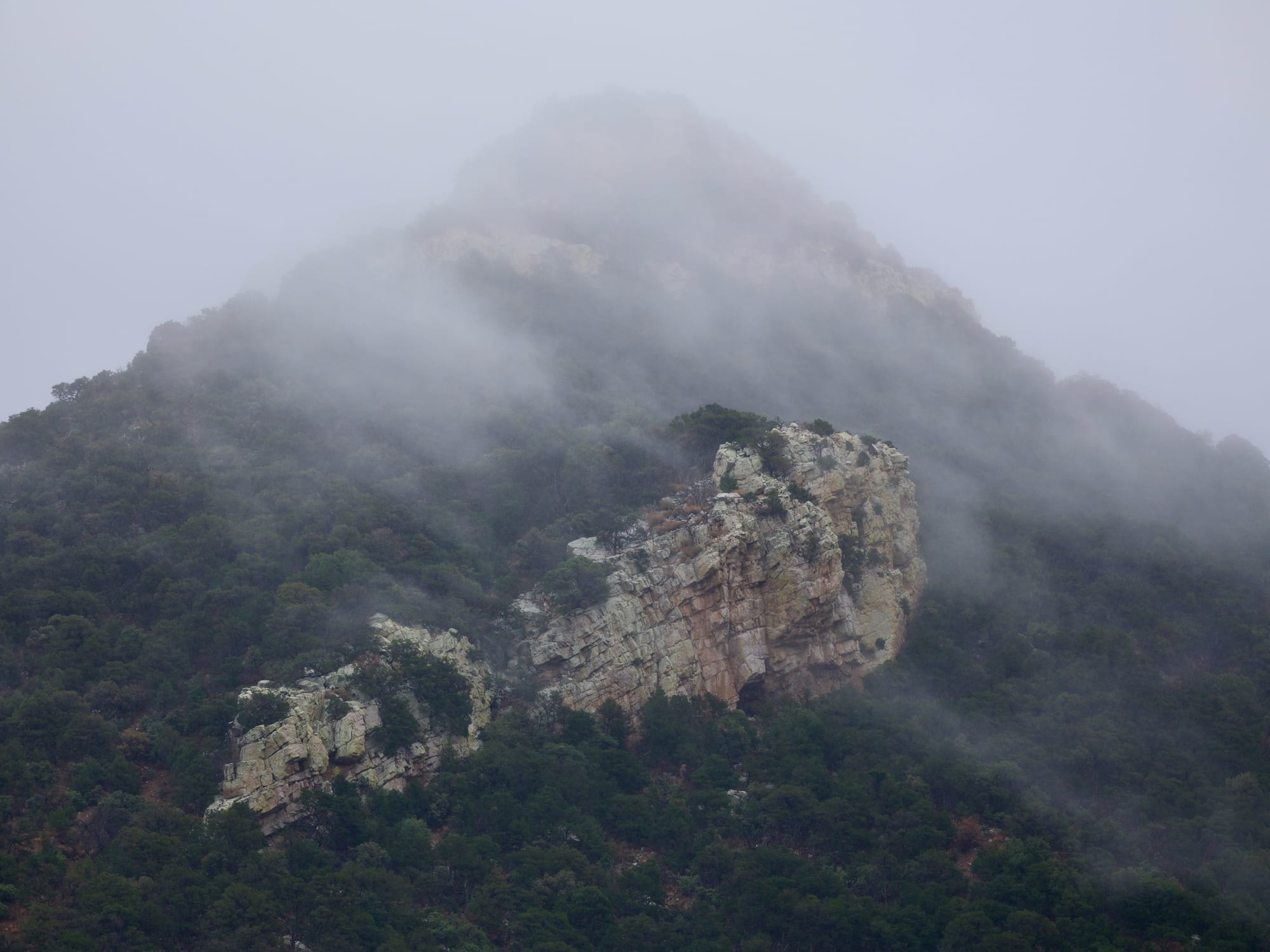
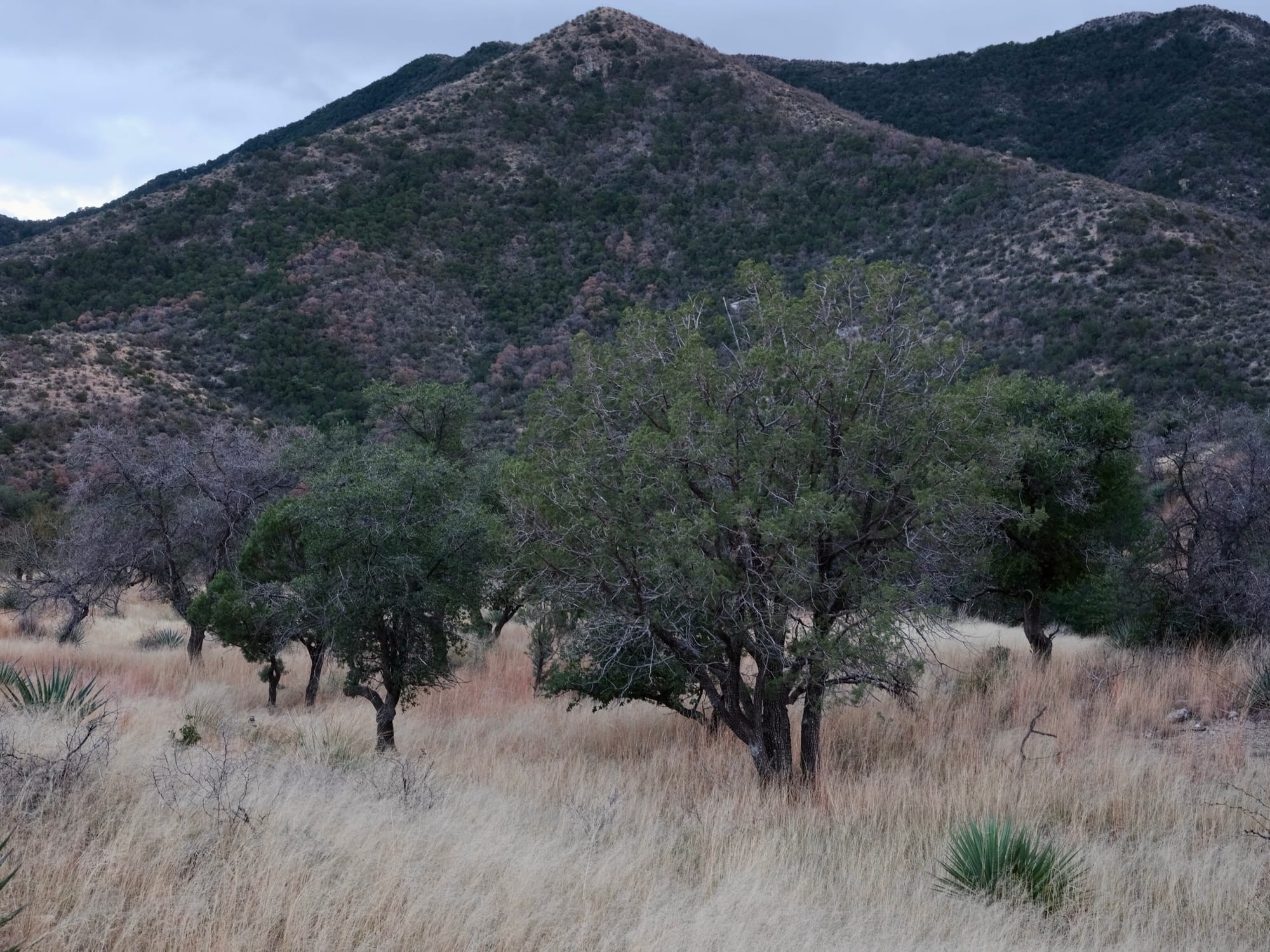
High Chaparral of the Dragoons
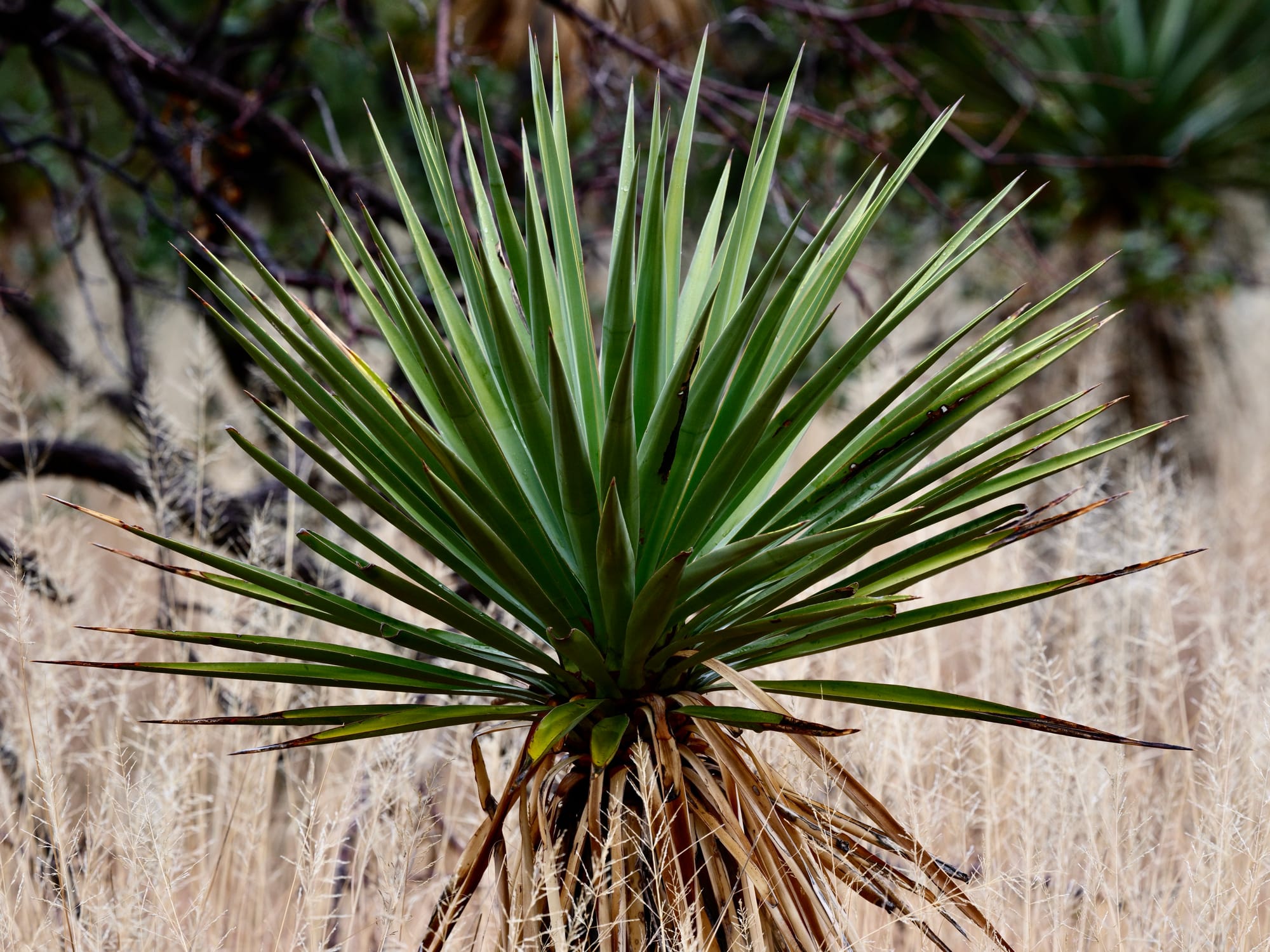
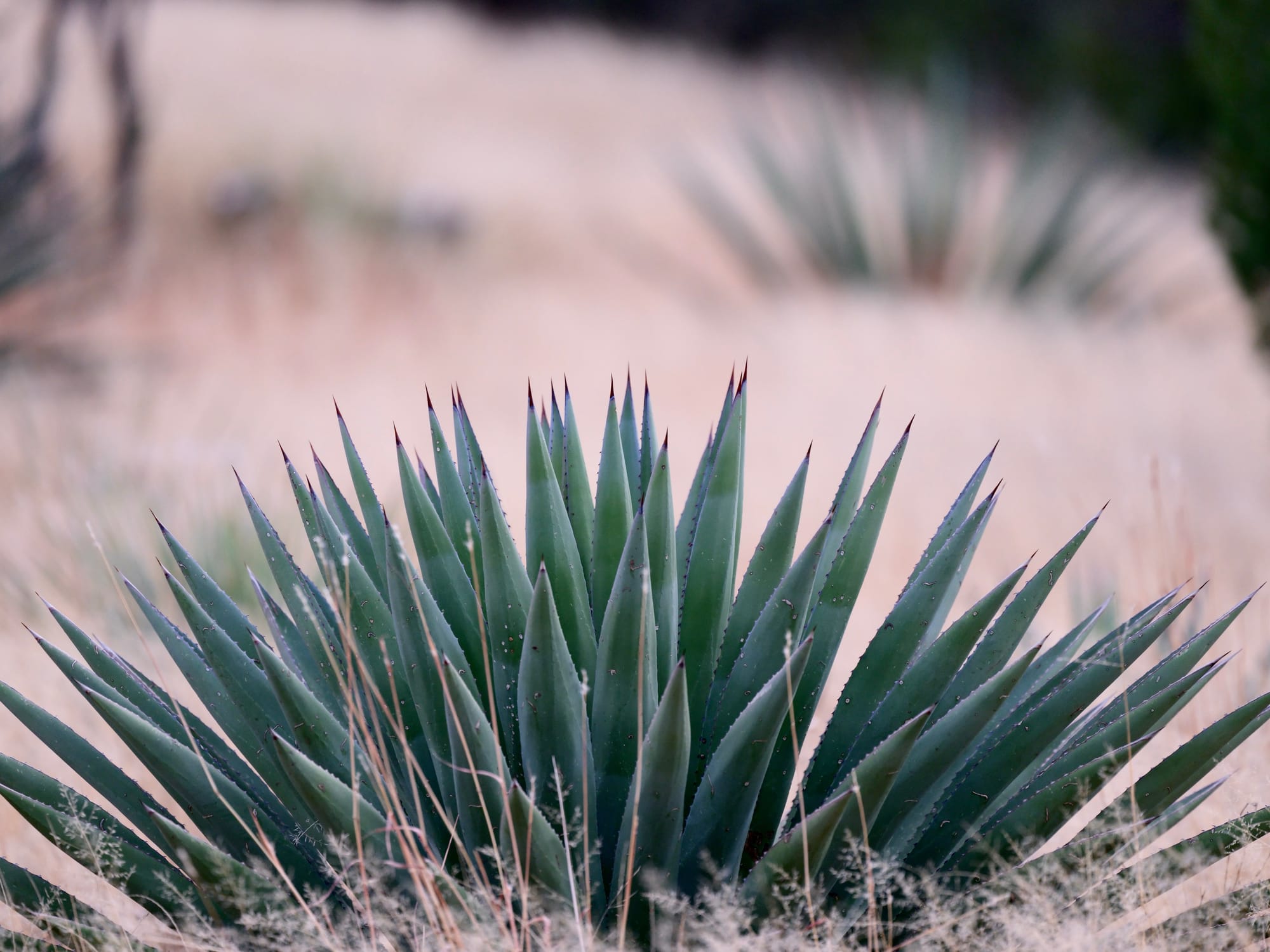
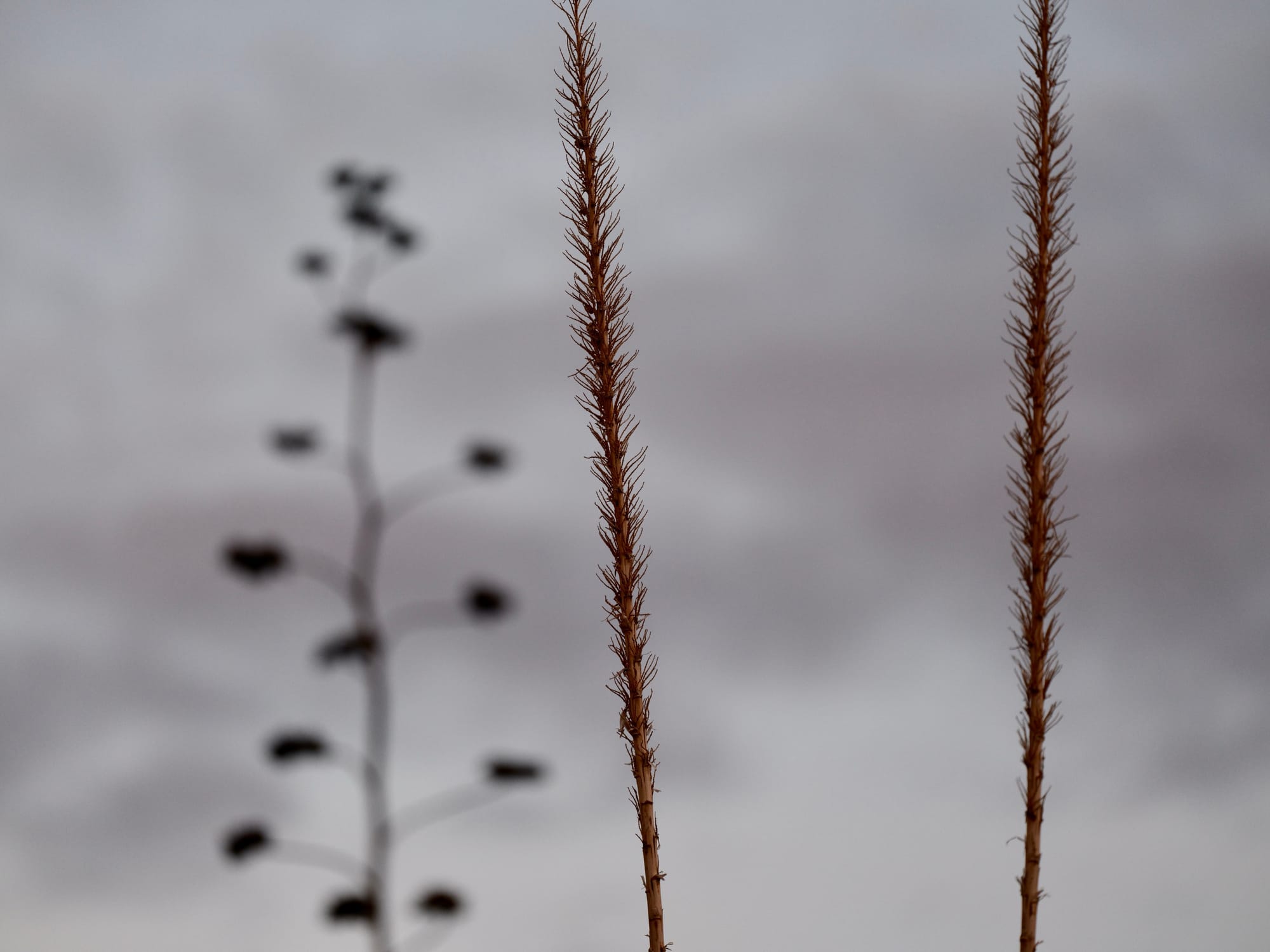
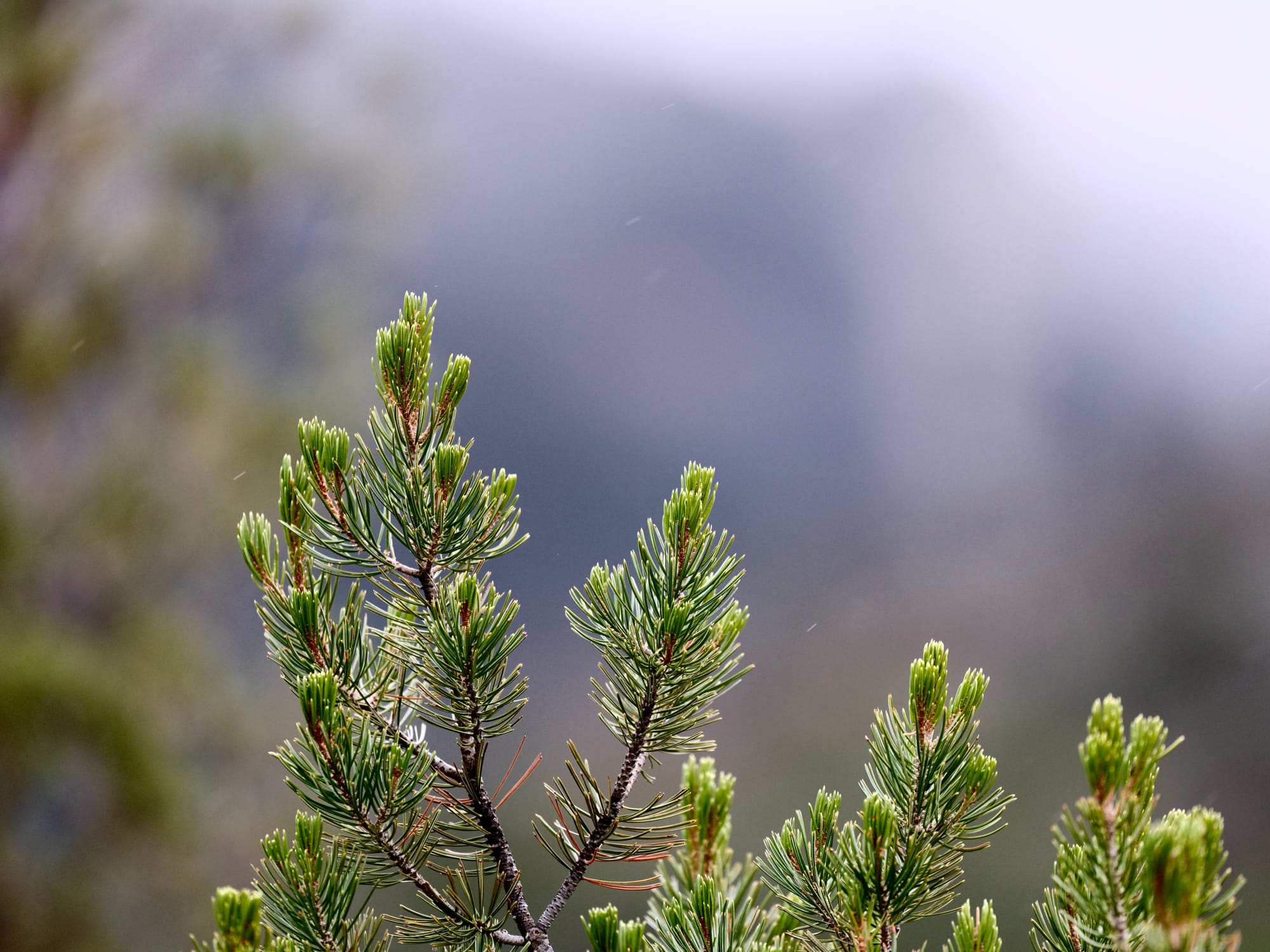
The basins are vast stretches of sparse grass lands, cienegas (wetlands), Sonoran desert plant communities transitioning to the high chaparral. Here the mesquite and ocotillo of the Sonoran desert give way at slightly more elevation to the live oak, alligator juniper, pinion pine, century plants, yucca, and manzanita. These mountain slopes have cooler temperatures and attract more scarce moisture.
Mountain ranges surround the observer on almost any position on the basins. The Huachucas, Peloncillo, Rincons, Chiricahua, Dragoons Dos Cabezos. Some are high enough for pine and fir trees and regular winter snows. The San Pedro river, now barely a stream in a few places, once housed beavers and runs south into Mexico; for this is border country.
The soft folds of the mountains drape and reveal along the edge of the broad basins and one’s eye traces their delicate curves, edges, and declivities as one might a lover’s body. The warm yellow of blonde grass and the deep blue shadow showing warmth and cold.
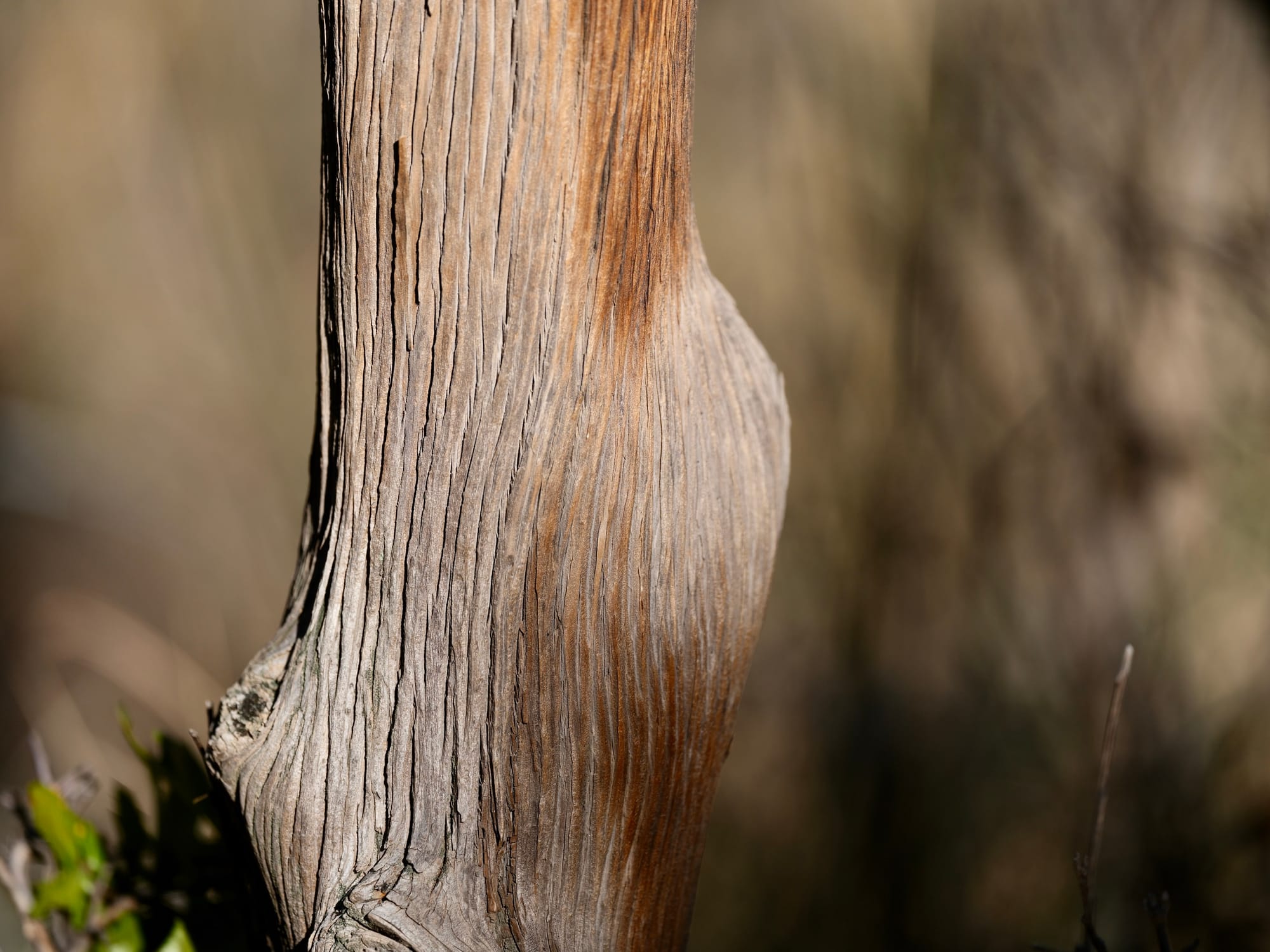
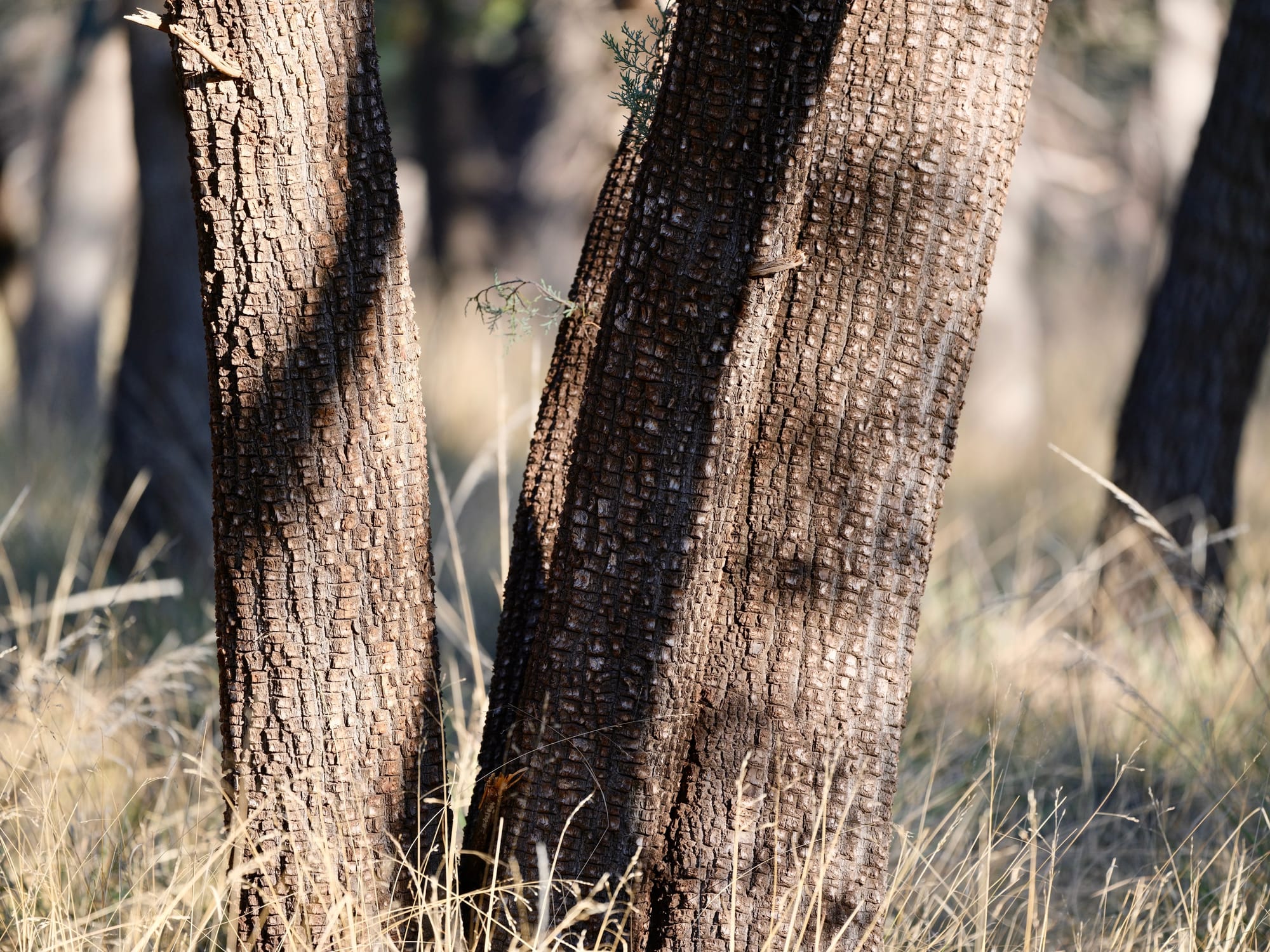
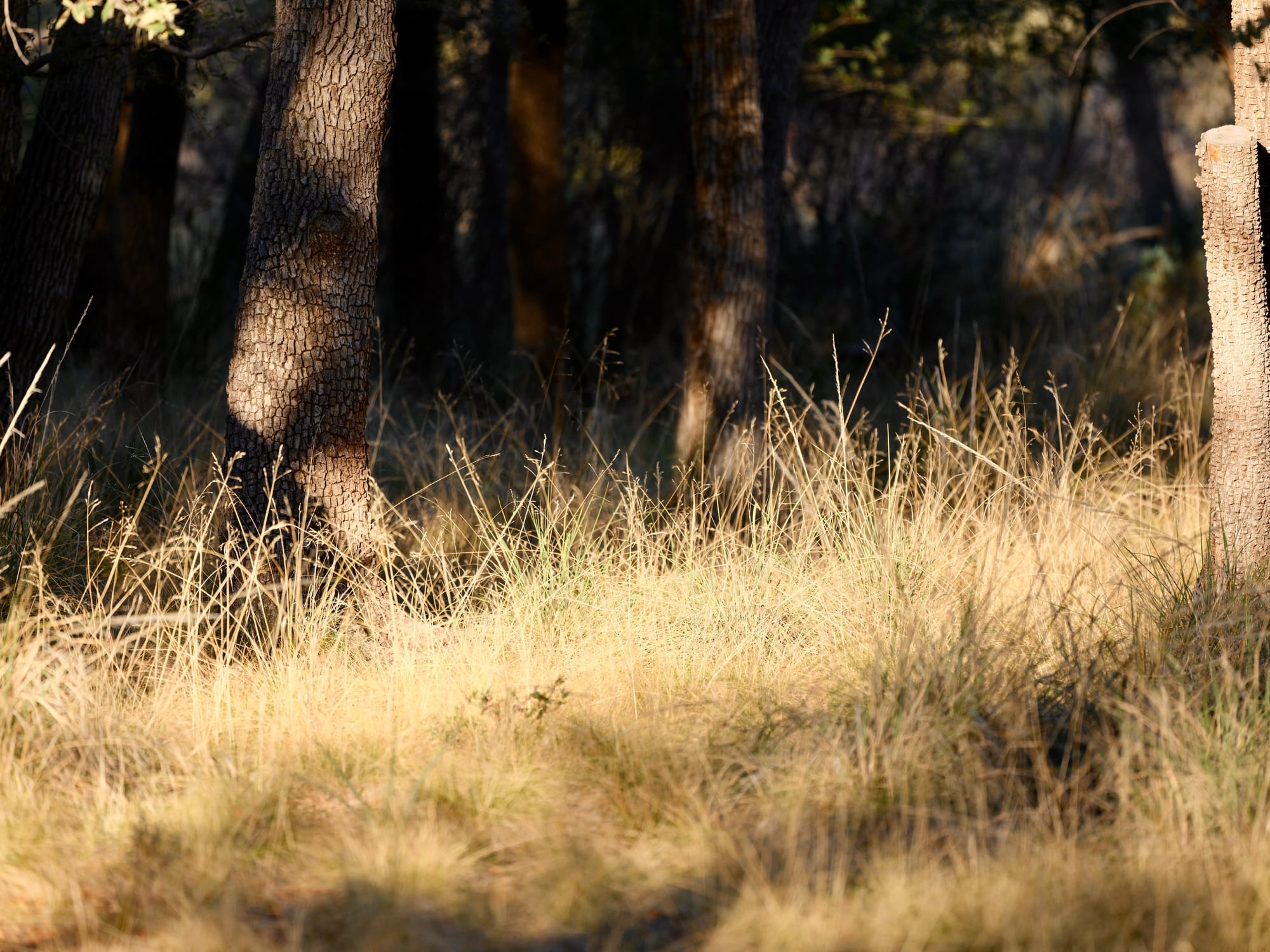
We stay in the Chiricahua mountains down on a dry washbed. Here the alligator juniper and live oak grow to much greater heights. So too the pinion. The blonde grasses abound and many more leafy bushes as the yucca, agave, and some cactus give way. The sun sets below the ridge, the earth’s rotation suddenly perceptible in the twenty seconds or so it takes to disappear. The liquid, hollow, wooden croak of a raven comes out of some nearby treetops.
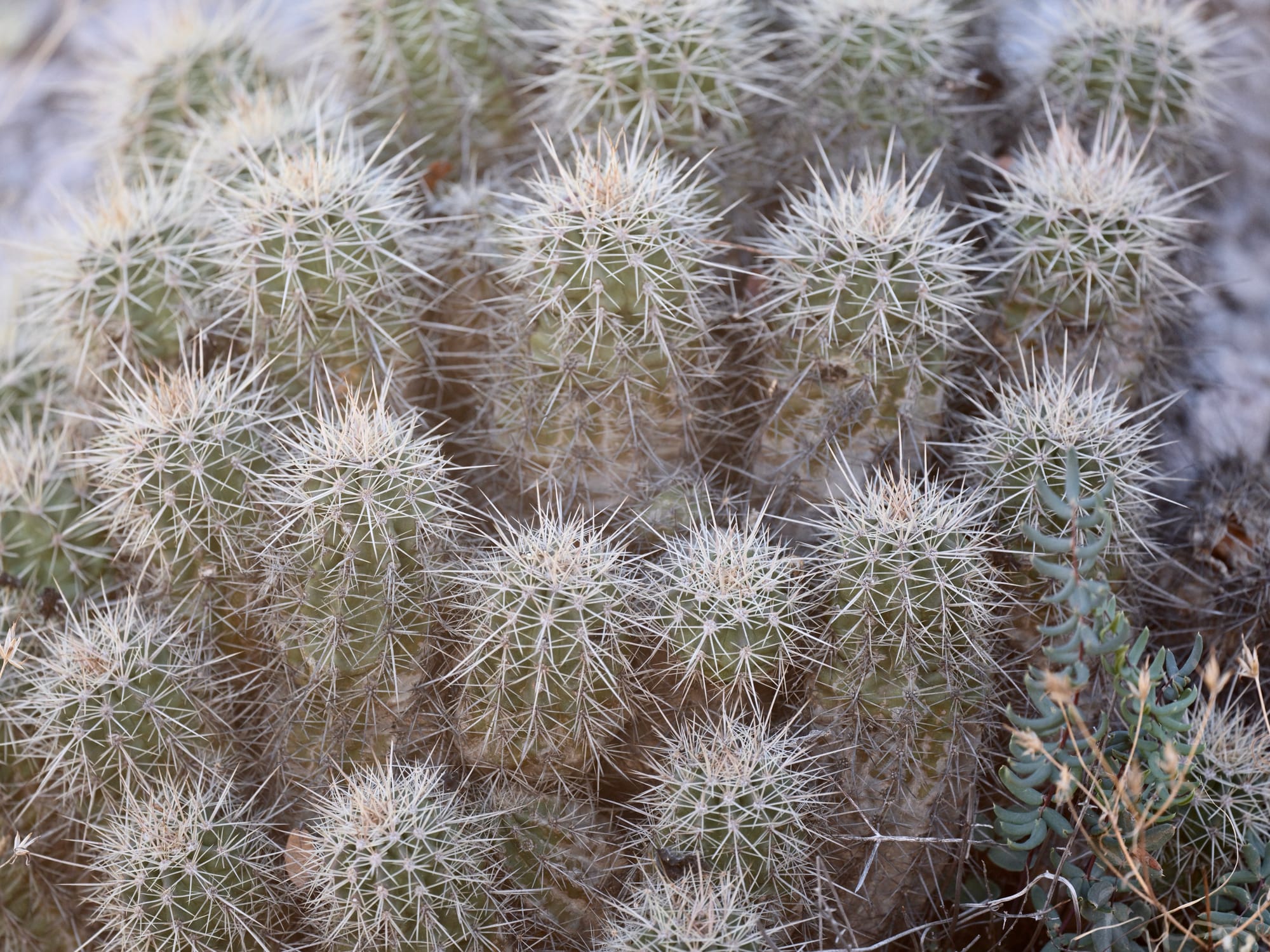
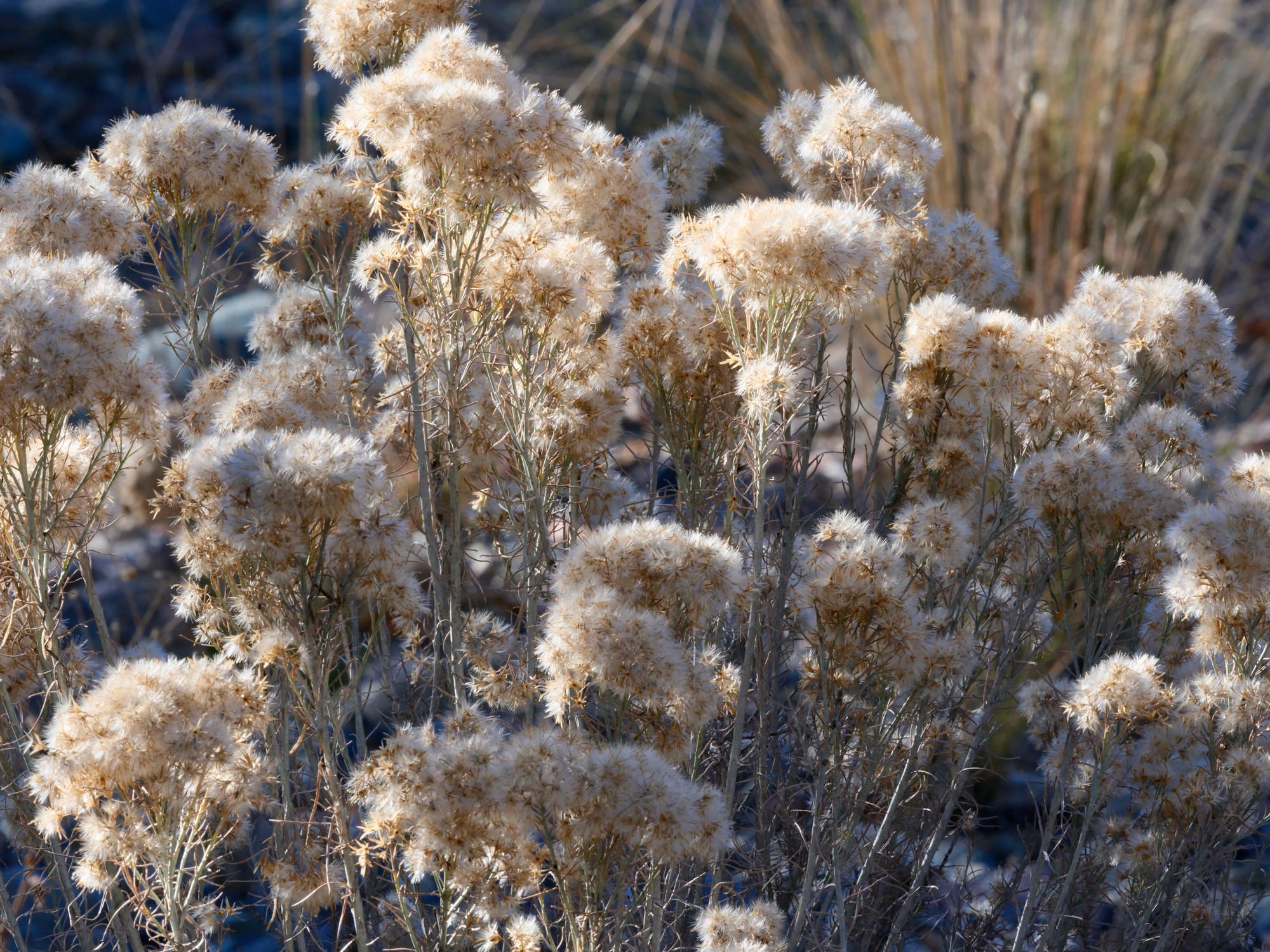
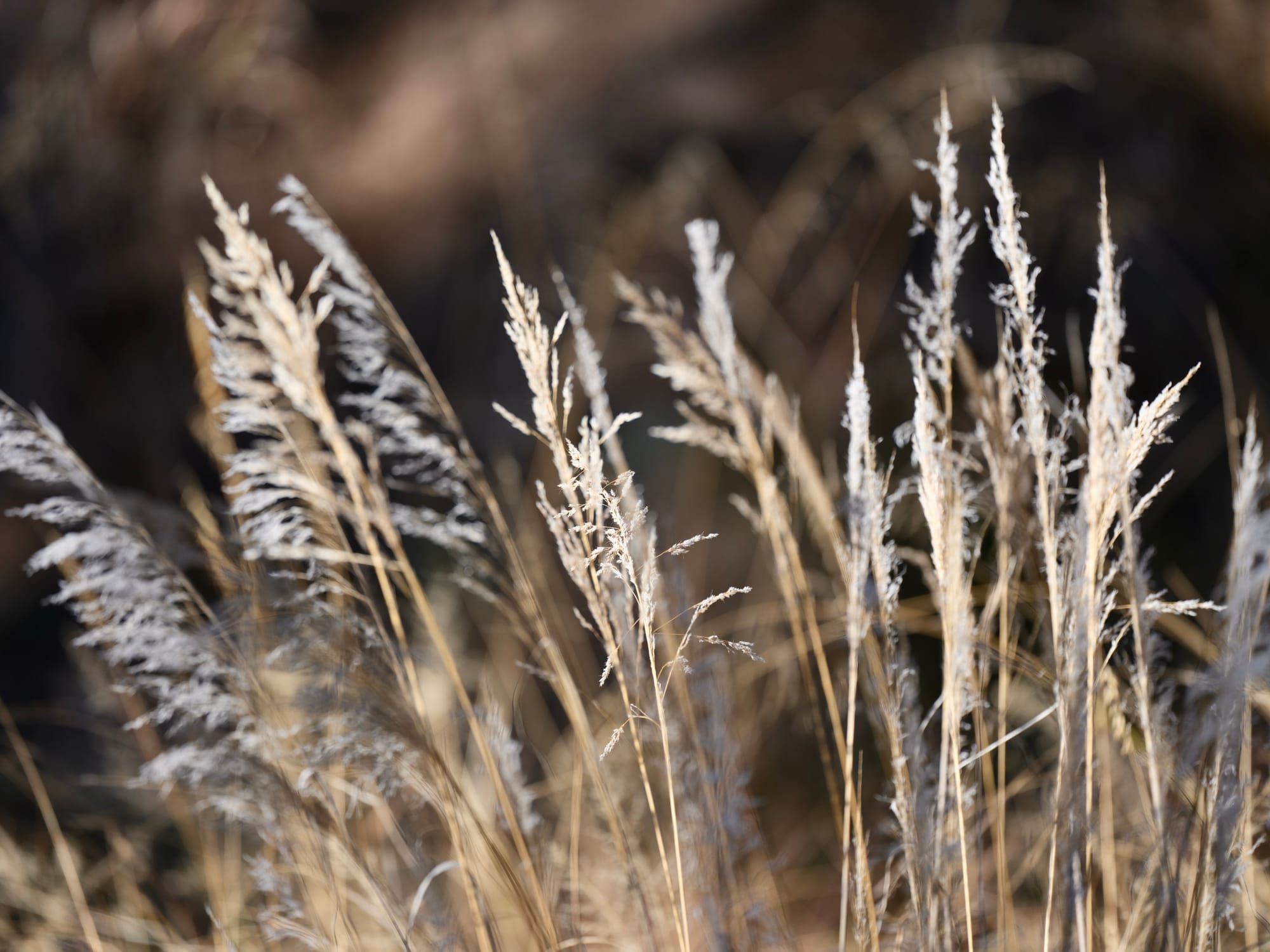
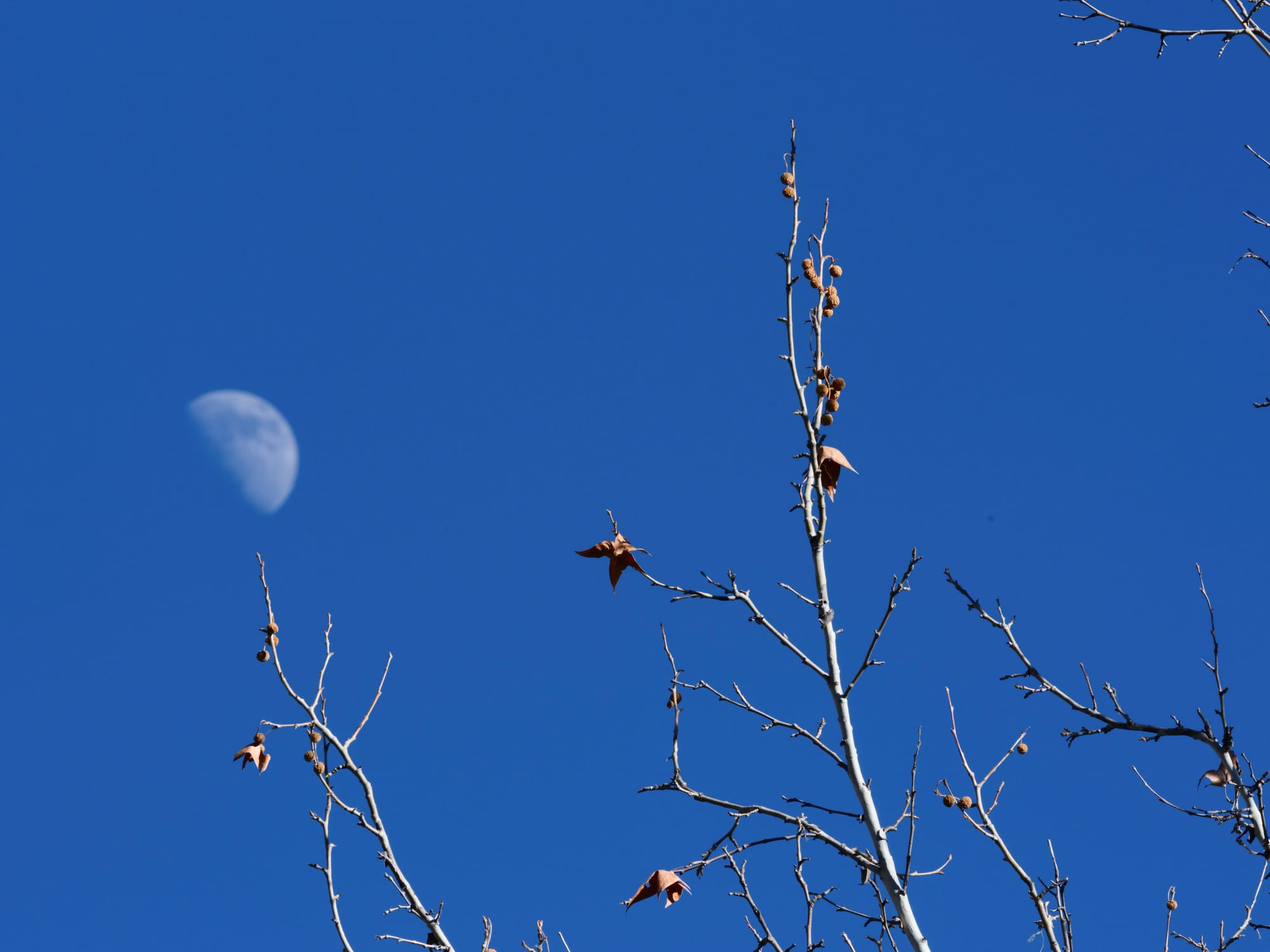
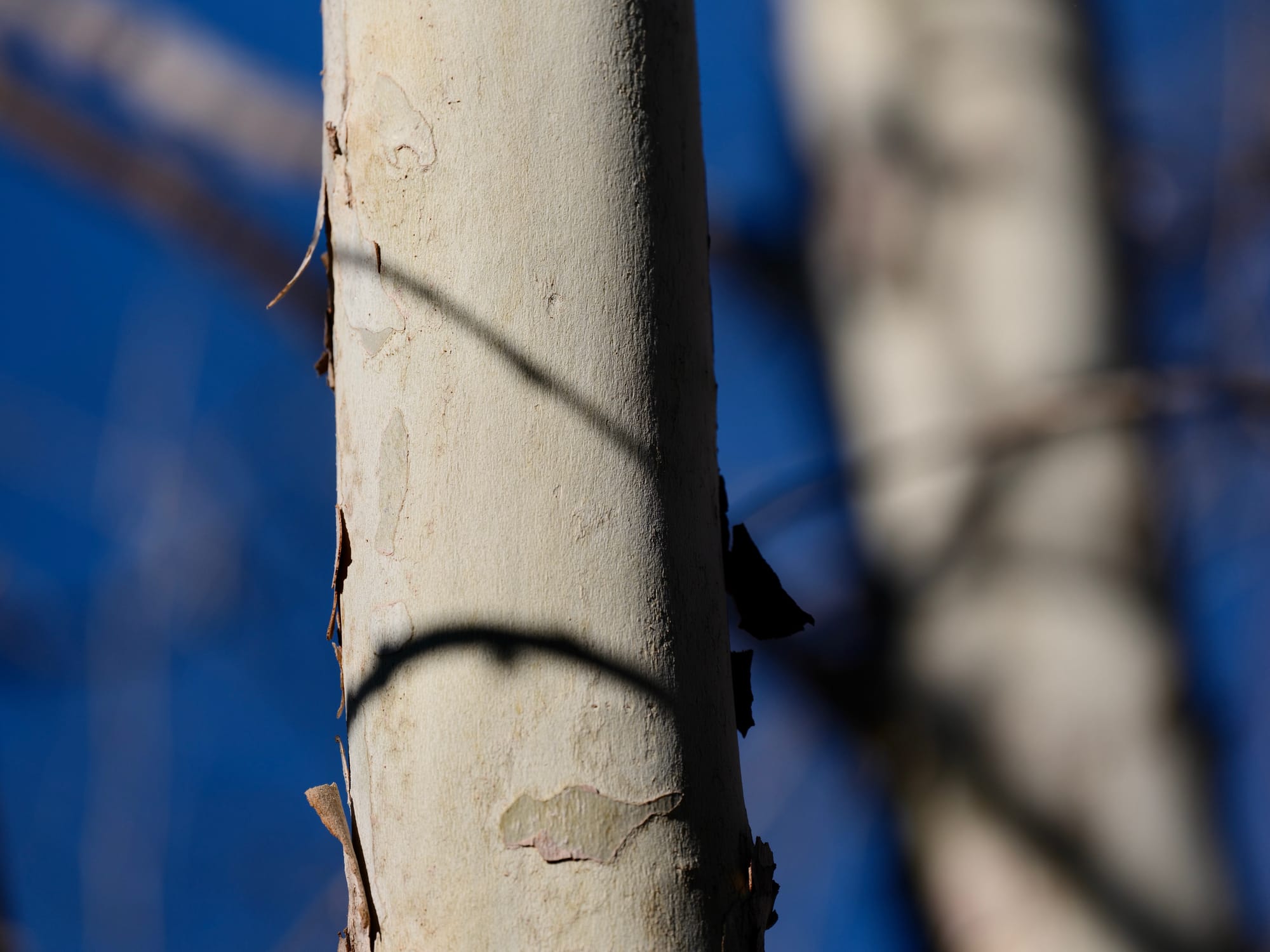
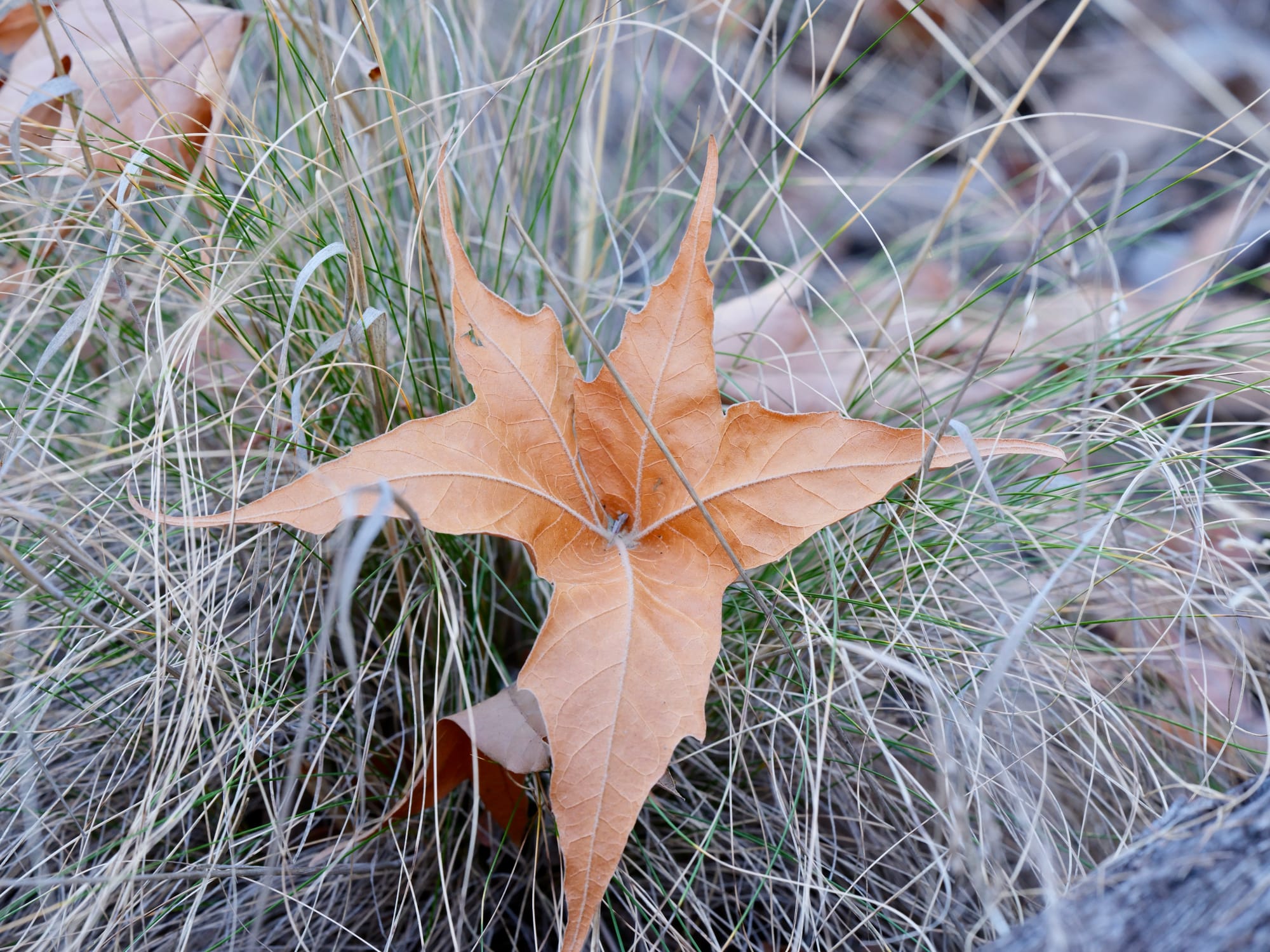
Here too are sycamore with their smooth white bark and paper-like flakes. The leaves and seed pods still cling to the branches. Their leaves lie about them like clasped fingers, star-like and crunchy underfoot. Somewhere as we crossed the valley floor between the Dragoons and the Chiricahuas they appeared replacing the cottonwood as the riparian standard bearer. They signal that water is close by and ranches shelter amongst them in recognition.
Here are the places Coronado rode with his men to find cities of gold. De Anza came through on his expedition to California, Father Kino came to convert Indians and build churches, some merely dissolved outlines of adobe in the desert.
Time is a river as wide as the earth that we are dropped into at birth and are whirled through, ages coming together and falling away and reconnecting. The river bends and sometimes you are returned to a familiar shore though further, different, maybe strange.