Management
One abiding aspect of modern life is the emphasis on management. I know because I worked most of my life in management. Good management is good because it reaches its objectives quickly and effectively.
Man (mankind) is at the heart of management. This of course is not an accident. Management requires that we subvert a wild process. Indeed, management can be thought of as the opposite of wild. In business this means increasing order and reducing chaos and wasted effort.
When we speak of wilderness the connotation of wild being without control or plan is misplaced. The wilderness has a plan, it is just too complex for us to understand. We were part of that plan.
In the wild or the wilderness, management takes on another more difficult challenge. How does one manage that which was created without much input from mankind. Maybe the better question is why?
I first encountered this in a discussion on Substack where someone objected to the cost of management of our wild public lands. I replied, 'but they required no cost when Europeans first arrived here'. Perhaps some would say, as is fashionable these days, that Indians set fires to clear pastures. Okay, fair enough. Still what cost? The lands are not begging to be managed. At least not until we cast our modern eye upon them. And they have supplied all that we have coveted them for in that time.
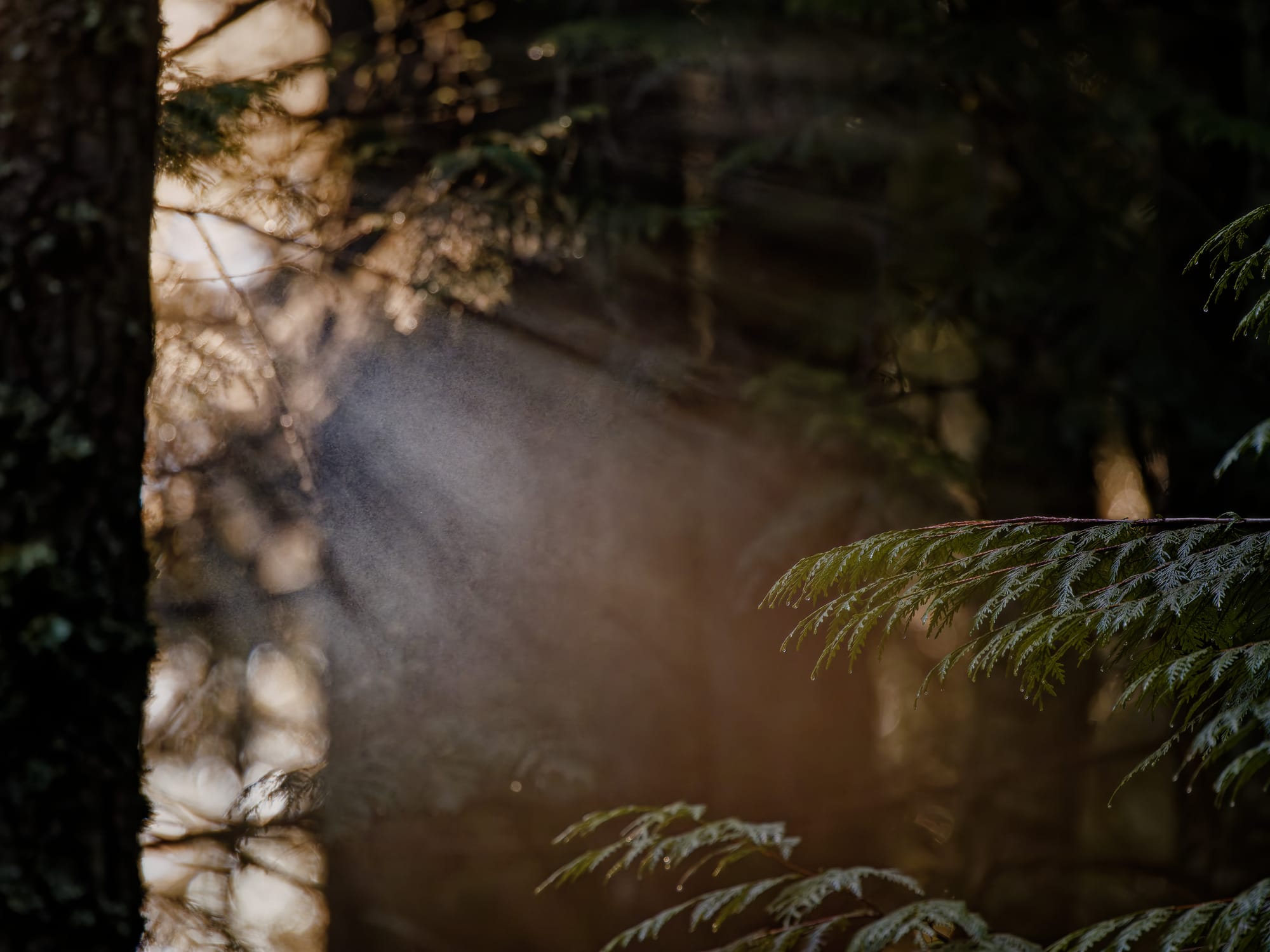
When I lived in England, I used to visit a local woodland called Holme Fen. There I wrote about management of the site by the UK Government body Natural England.
 MorseBlog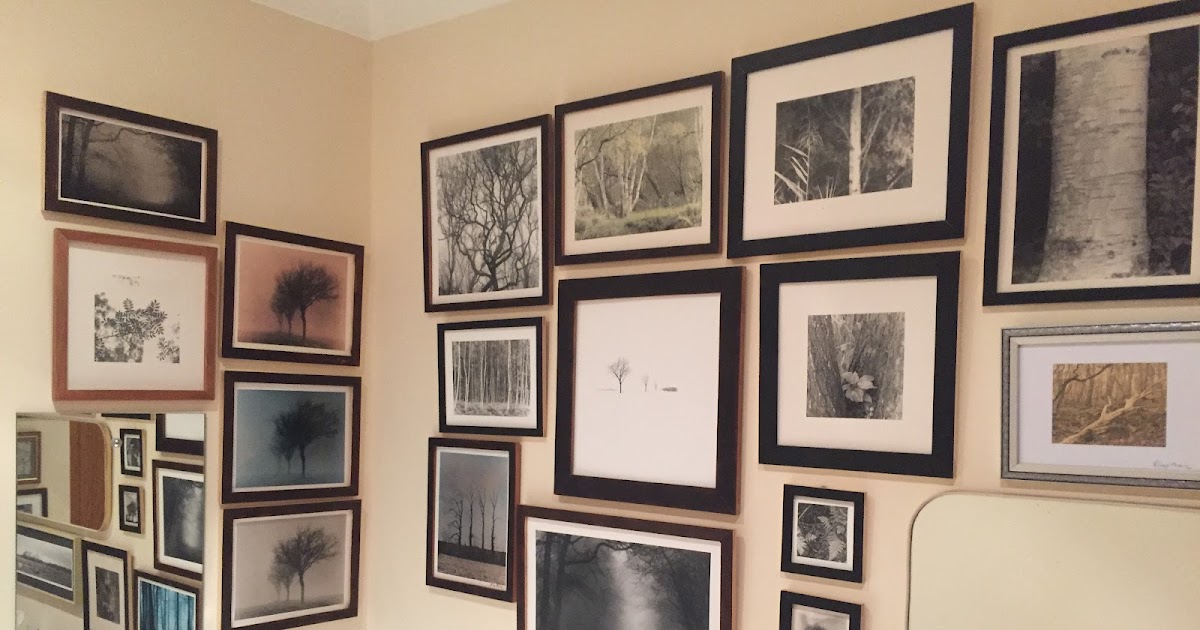
Where I live in Idaho now a local land conservation trust Kaniksu Land Trust manages a recreational forest here with hiking, biking, and skiing trails. It is not pristine wilderness, though it can feel like it, but rather a private park. I contribute money to them and support what they do.
However, someone there feels compelled to manage even this small plot of land. I don't mean the relatively innocuous creation of trails.
I have a theory developed through observation that if one has a forest, one somehow feels compelled to manage it. Since it is a forest then it seems strangely, almost tautological, that one needs a chainsaw. Afterall saws and forests just go together.
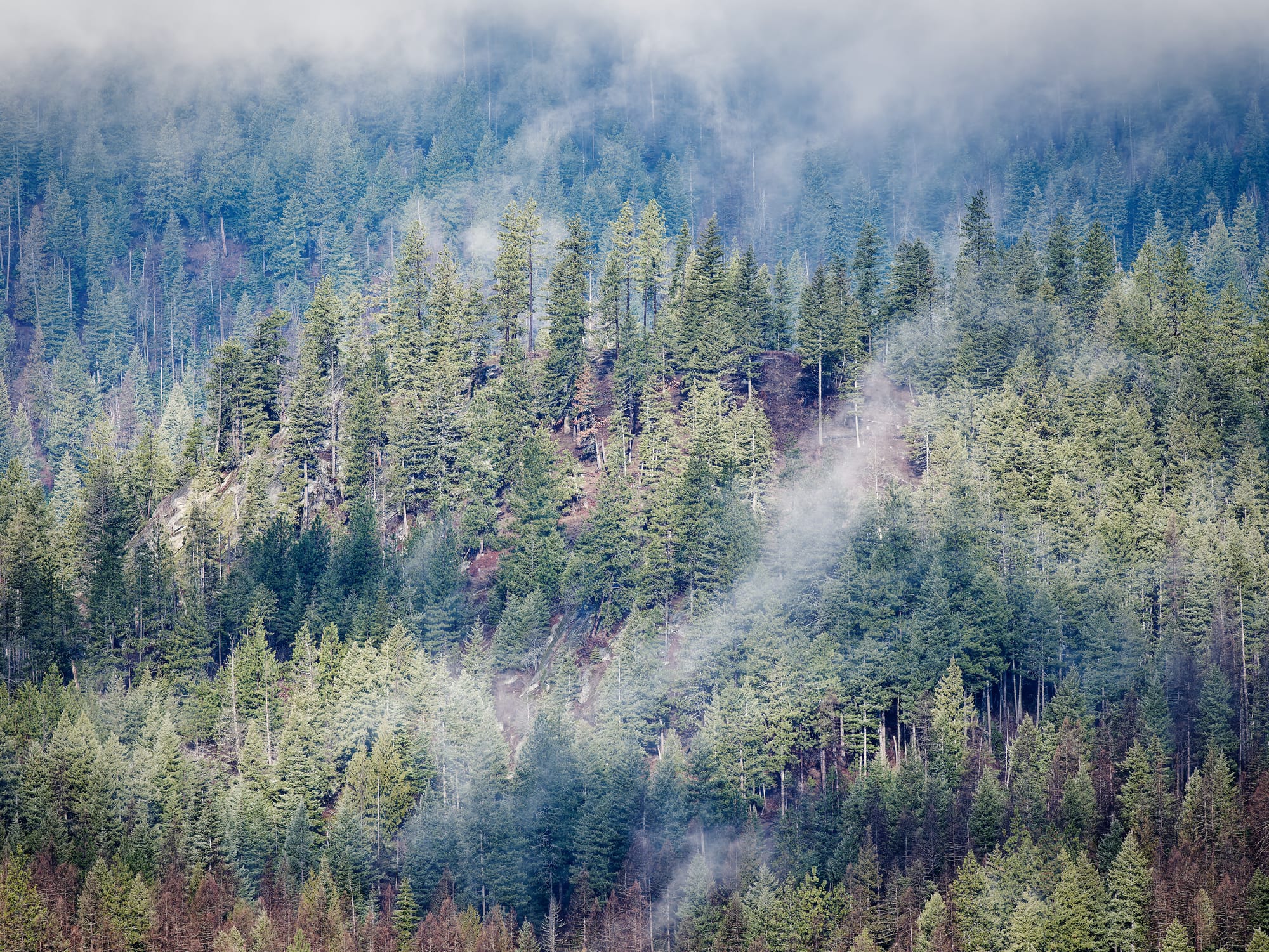
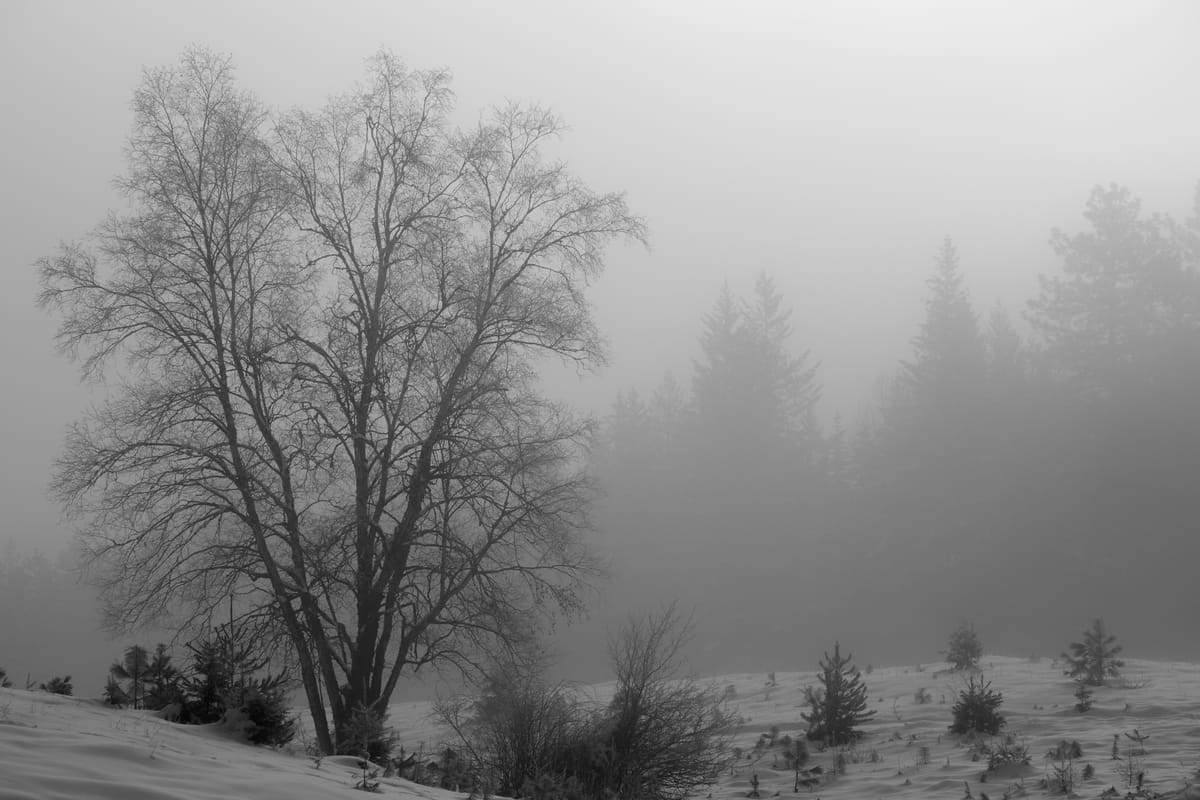
A view from Pine Street Woods
So, I watched as Natural England chain-sawed their way through swathes of the signature Silver Birch in Holme Fen. And so, it is in Pine Street Woods (PSW) I am seeing another spasm of chain-sawing of recreational forest.
In this case I was able to meet the man in charge of the chainsaw. A nice enough chap, we had a discussion where I gained more insight into this management. He said if he didn't have these woods to work in then he supposed he would have to have a woodlot to manage himself. For he not only runs a chainsaw but there is also a small lumber mill that he is responsible for. It sits on the road up to the main parking lot.
He then mentioned, without prompting, a kind of defensive confessional. Like he had gotten stick for it before.
"How does one know when to cut? When it is economically viable!" He volunteered. I hadn't even thought to ask.
Like he had just announced some great discovery. Now I am not usually in the business of making a nuisance of myself to the local landlord and lose my access to such a nice place, so I kept nodding along with the conversation. But this was a load of nonsense. What does it mean 'economically viable' in the context of a small private non-profit forest? I would struggle to define this, and I made a career of defining what was economically viable when I was a manager.
But as I rolled this around in my slow brain that morning it seemed to me that this guy has a sweet deal. Afterall, he likes 'managing a wood lot' and now has one that he doesn't have to buy to manage.
North Idaho is full of cosplay and larping. It is part of the appeal of living here. Lots of people are here to own their own piece of wild lands. An uncountable number have asked me if I own a plot land somewhere, seemingly as necessary as owning a car it seems. Some dress like self-styled mountain-men.
The number of small lumber mills is staggering and thus the number of self-styled lumber jacks. Others style themselves as cowboys or farmers. They like to tote guns in public places that are some of the safest and remotest places on the planet. We all have a romance with wild places, and some engage with more enthusiasm than others.
This is all legal and people can do what they like. But it does have a cost. And if we release more public land we will enable more of this activity on land that ultimately, we are not making more of.
There are a few big commercial lumber-mills a short drive away. You would not know them by their names. The big lumber (or forest products) companies left in the 1990s. They declared they had cut all the 'economically viable' timber in Idaho, what was left was too difficult to access and what was replanted grew too slowly to wait. They sold their lands to the likes of Plum Creek Lumber to strip off what trees were left as a smaller outfit redefined 'economically viable'. Much of this land in turn got sold to individuals that wanted a piece of the West to live on.
Today we see logging trucks with shockingly small logs on the back; they look like a load of pencils. This is second-growth, or third and maybe fourth generation. These are logs of the landowner of 20 acres harvesting the trees before he sells the land to someone else. These are what is left of our forests. These now define 'economically viable'.
The local mills within an 'economically viable' drive of here are all owned by the same firm. They set the price for logs in a local monopoly. Sure, you might find a more competitive price somewhere else, but it wouldn’t make up for the cost of getting them there. Again, someone has managed to thwart market dynamics.
Meanwhile we hear news that the current administration plans clearcuts in Oregon on BLM lands to quadruple the timber output from current plans. They intend to remove restrictions on old-growth forests.
Have you been to an old-growth forest? If not, get there as soon as you can, go this summer, you will not regret it. You can tell your grandkids a better story than the falling of the Berlin Wall. You saw the last continental American old growth forest. Bring a camera.
Meanwhile we continue to ship raw logs to China from the Tongass forest in Alaska just as we did with mainland Oregon and Washington logs in the 1990s. All while listening to complaints about environmental restrictions causing lumber mills to close and the ensuing economic calamity. In large part the mills were closing then because we shipped raw logs to Japan and let them mill them, just as we do to China today. The American mills were no longer economically viable, because the Japanese wanted the work. Don't believe the Spotted Owl bullshit.
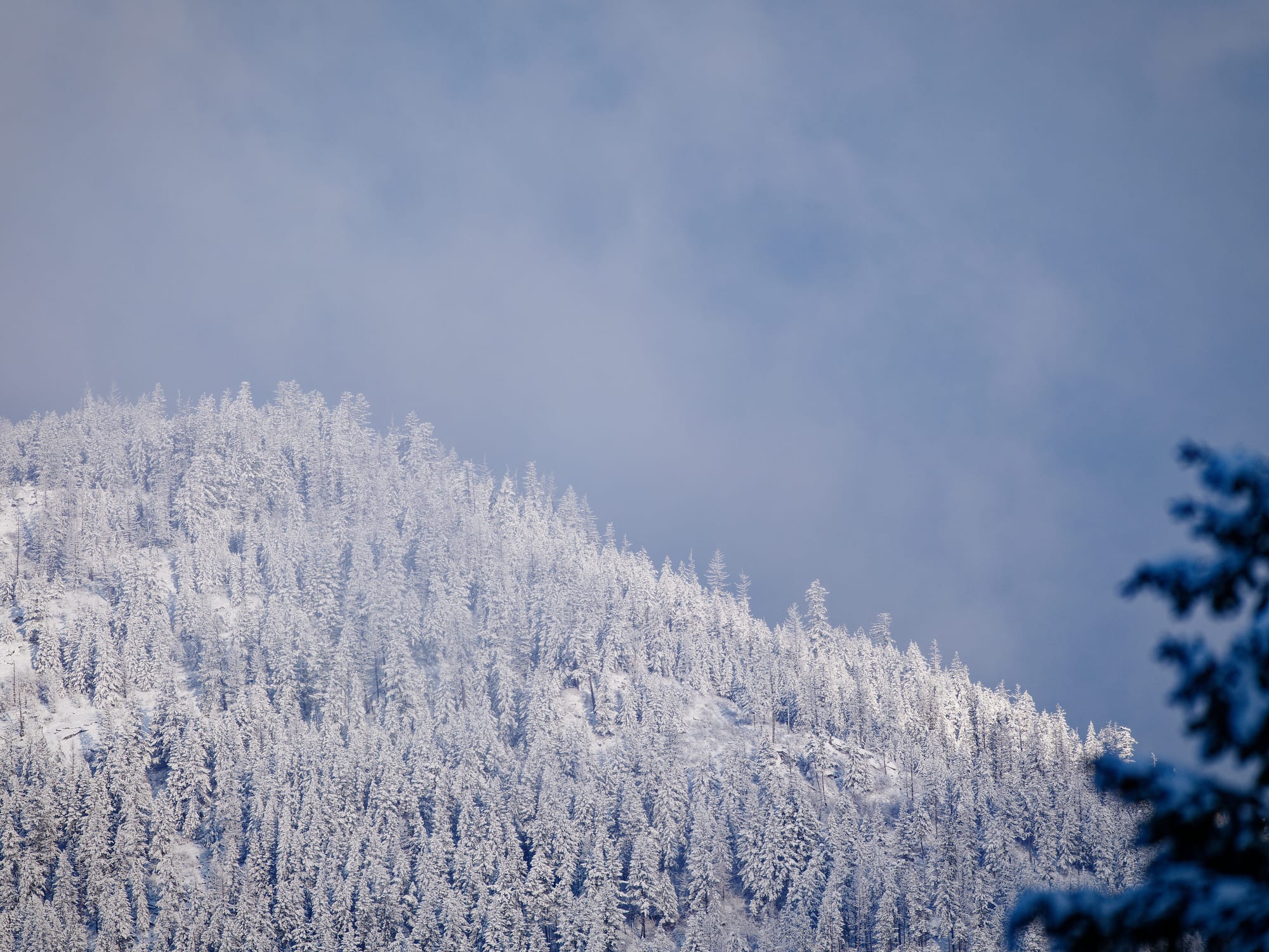
The same administration now testifies with a straight face that trees deplete water as a justification for removing them. Or that we should cut all the trees because we have forest fires. Shifting justifications for one giant act of national vandalism
Here at PSW, they are halfway through the cut. Various Red Cedar and Douglas Fir are laying down all over the woods. Soon the skidders will be in there compacting the soil and grubbing up the soil in other places. It will be ugly and we will see more stumps and slash.
I spoke with a long time resident and regular at PSW; she recalled the 'clear-cut’ on Mushroom trail. The stumps were still fresh when I first walked there. A steep hillside denuded of all trees, wonderfully tall judging by what was left on the margins and the stumps. She was told 'they were diseased' and perhaps they were but it would be hard to find evidence. To her it seemed an excuse to just cut them. The gash is still there, and no new trees are replacing them.
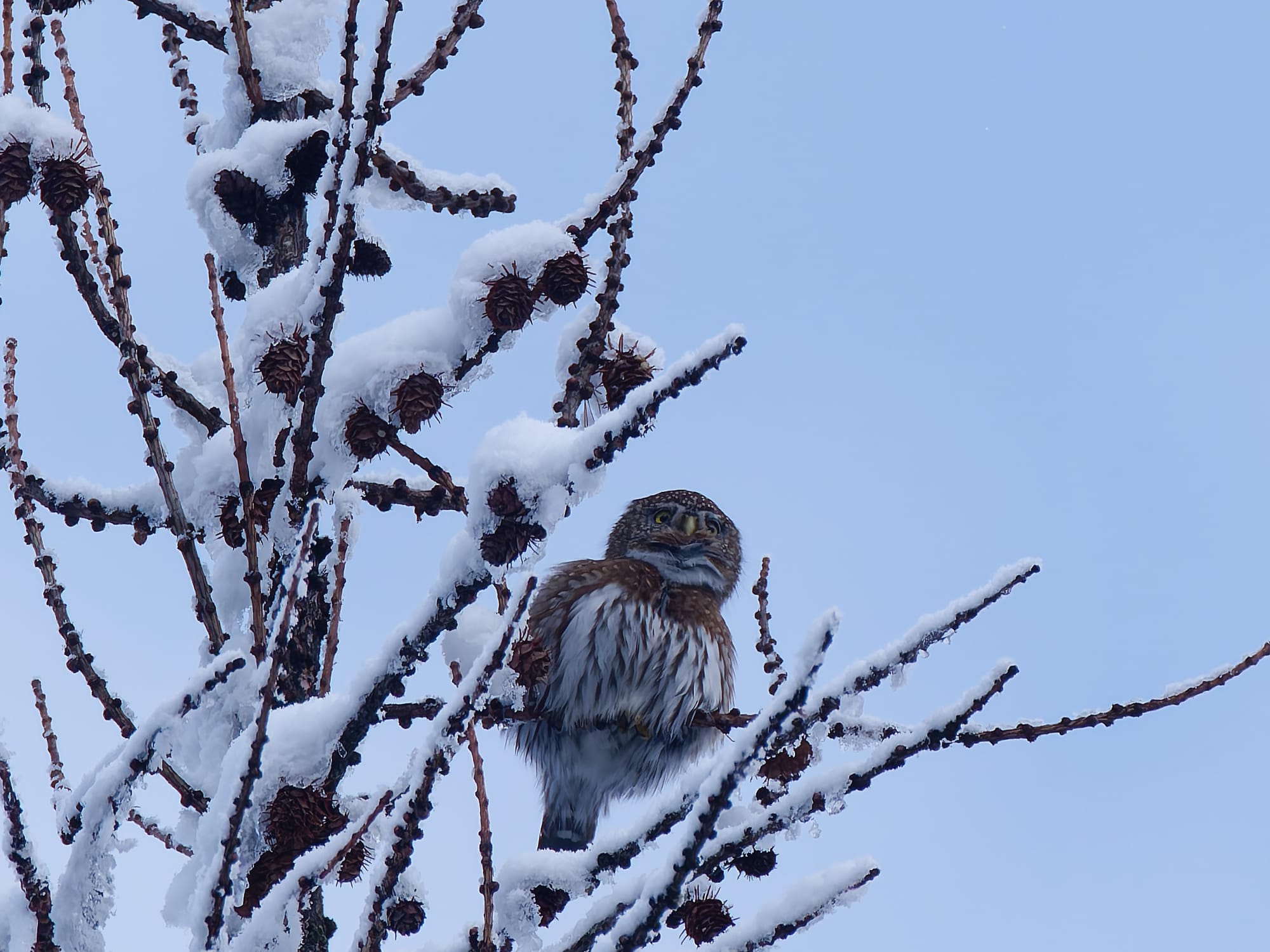
This place seems to be at the mercy of a man who likes to cut trees, and a lumber mill that has to be fed those trees. Signs explain that this is a ‘working forest’ but doesn’t say who it is working for. That we can have it all, conservation, lumber, wildlife, clean water. All supposed to be 'economically viable' for a place that gets virtually all its money from donors. Can’t we just have a forest, some trails, wildlife, peace and recreation without it being another celebration of forest as commodity? Must everything justify its existence. Does every creature and living thing have to have a spreadsheet and an ROI attached?
I read from Gary Snyder that neolithic Japan was dotted with jinja and omiya. These survived as Shinto shrines to this day. Outside of the buidings themselves the land is left untouched. Nothing is trimmed or landscaped, thinned, burned or changed in any way. That in the middle of a city one can see a patch of forest as it was back to the neolithic times. This is a modern expression of the sacred in Japan.
In our post-enlightenment world we measure, theorize, explain the world and tease apart the complex details. We marvel at our complexity and look down at the wild world and its raw unordered simplicity. The hubris of believing we can explain it all and yet understand none of it. Every well-meaning intervention outlines another disaster, and the wild world, damaged and weakened, knits out of its remnants a return to the complex and mysterious and whole.
Chainsaws and mills are hungry, and I can only hope there are enough trees to sate them all with enough left over for me, my dog, the deer and birds to shelter under. Call me selfish, I am, but also I am selfish for you.