Genius
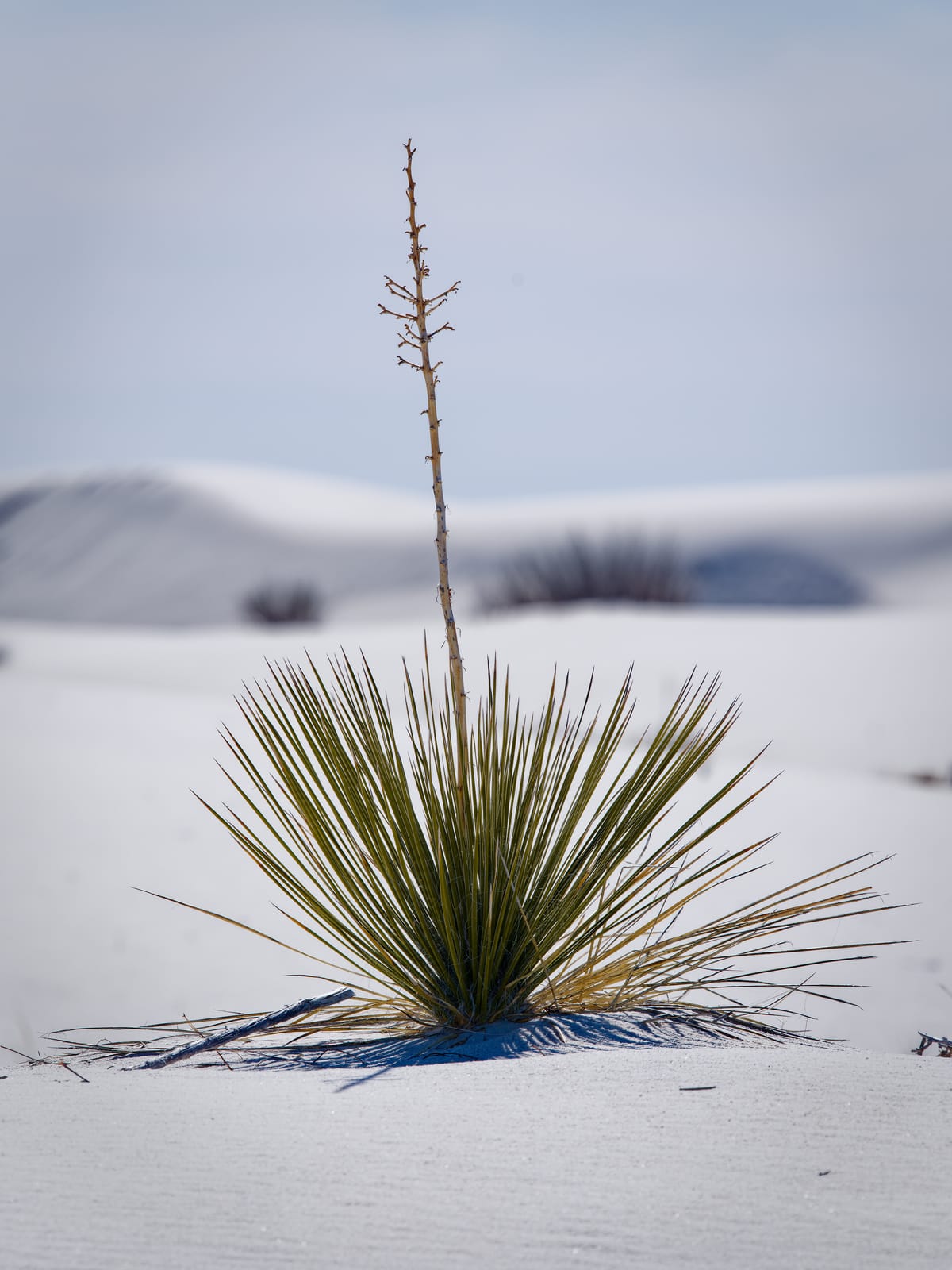
The origins of words provide insights not normally available through traditional definitions or connotations, and genius is just such a word.
Conventionally when we use the word genius we think of someone who is exceptionally smart or good at something. Albert Einstein is the iconic genius for many.
The Greek origins of the word go back to an earlier idea that later evolved to our current understanding and that I think, is worth exploring further.
If we look to a Latin dictionary (I assure you I had to look all this up!) we find the following definition.
the superior or divine nature which is innate in everything, the spiritual part, spirit;
The root words are gignere and generare in Latin 'to beget' and to 'generate' respectively.
The definition is extended to the idea of genius loci that invokes more specifically a protective spirit or a place or person and could be seen as similar to a guardian angel when taken out of the pagan context.
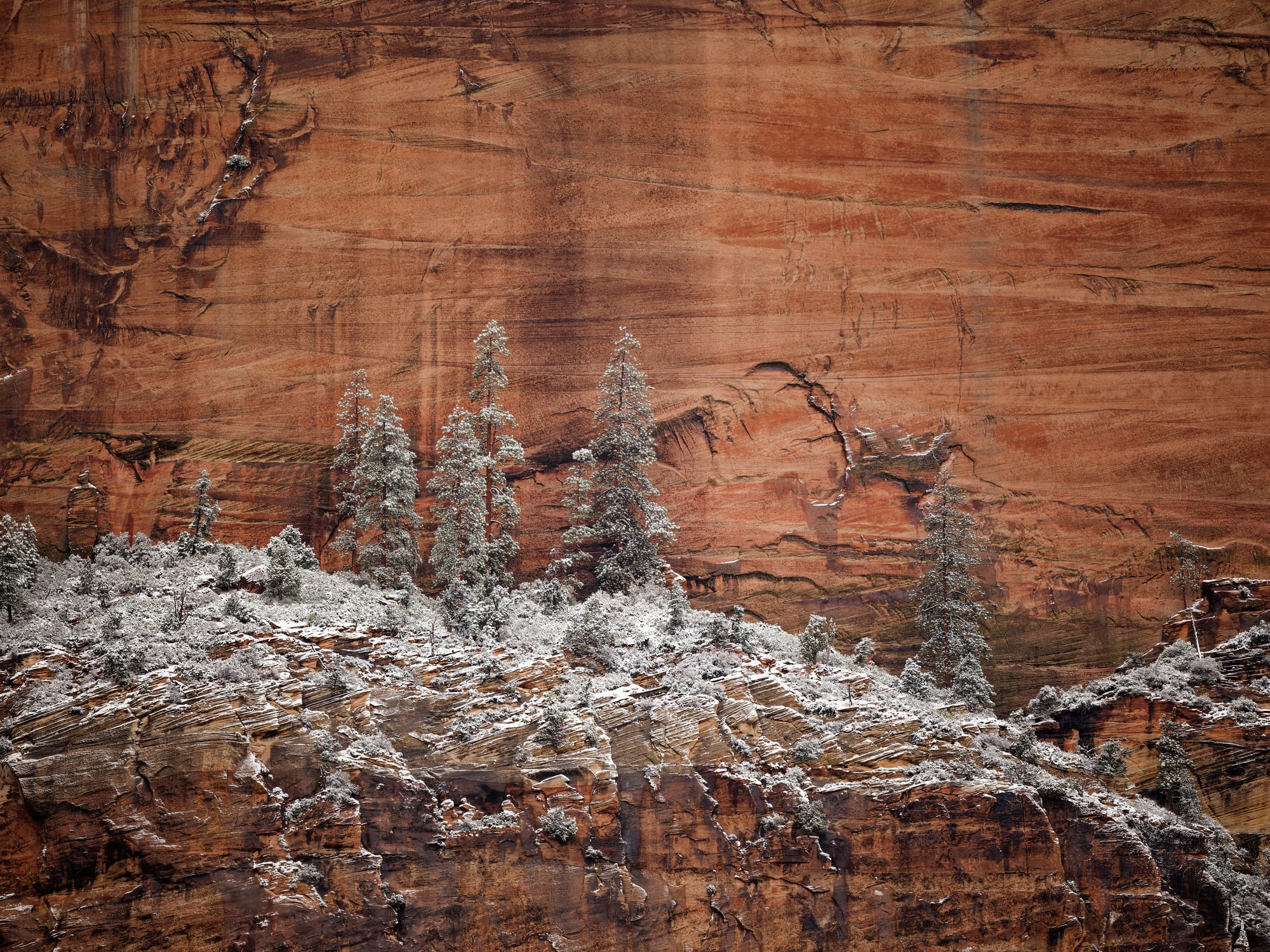
Variations on this definition transcended the ages until the 17th century when something closer to our current understanding of the word emerges. The idea that the meaning of genius would move from place and people to people specifically is not surprising if one considers this occurred at the time of Rene Descartes. Descartes promoted the philosophy of dualism which, philosophically, severed the mind from the body. This was the period of the birth of the Enlightenment.
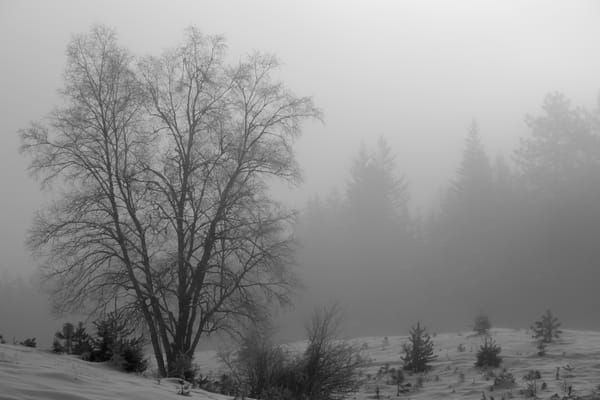
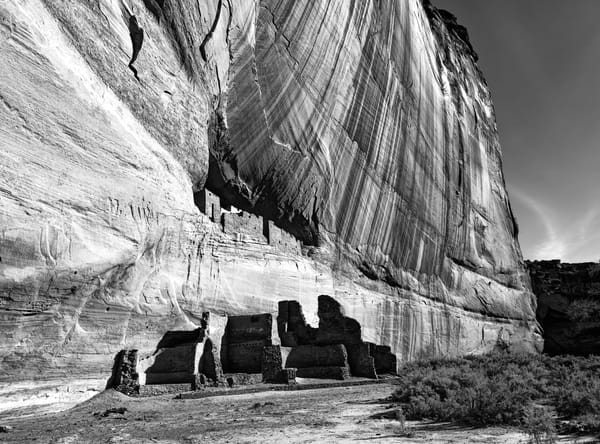
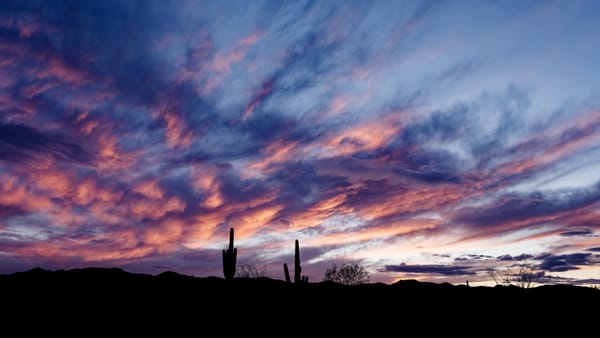
I return to the earlier definition as it resonates with me and my photography. It is hard not to look upon the natural world and not feel the genius of the place. Not that it is inherently intelligent or capable but that it embodies some properties greater than just the material from which it is made.
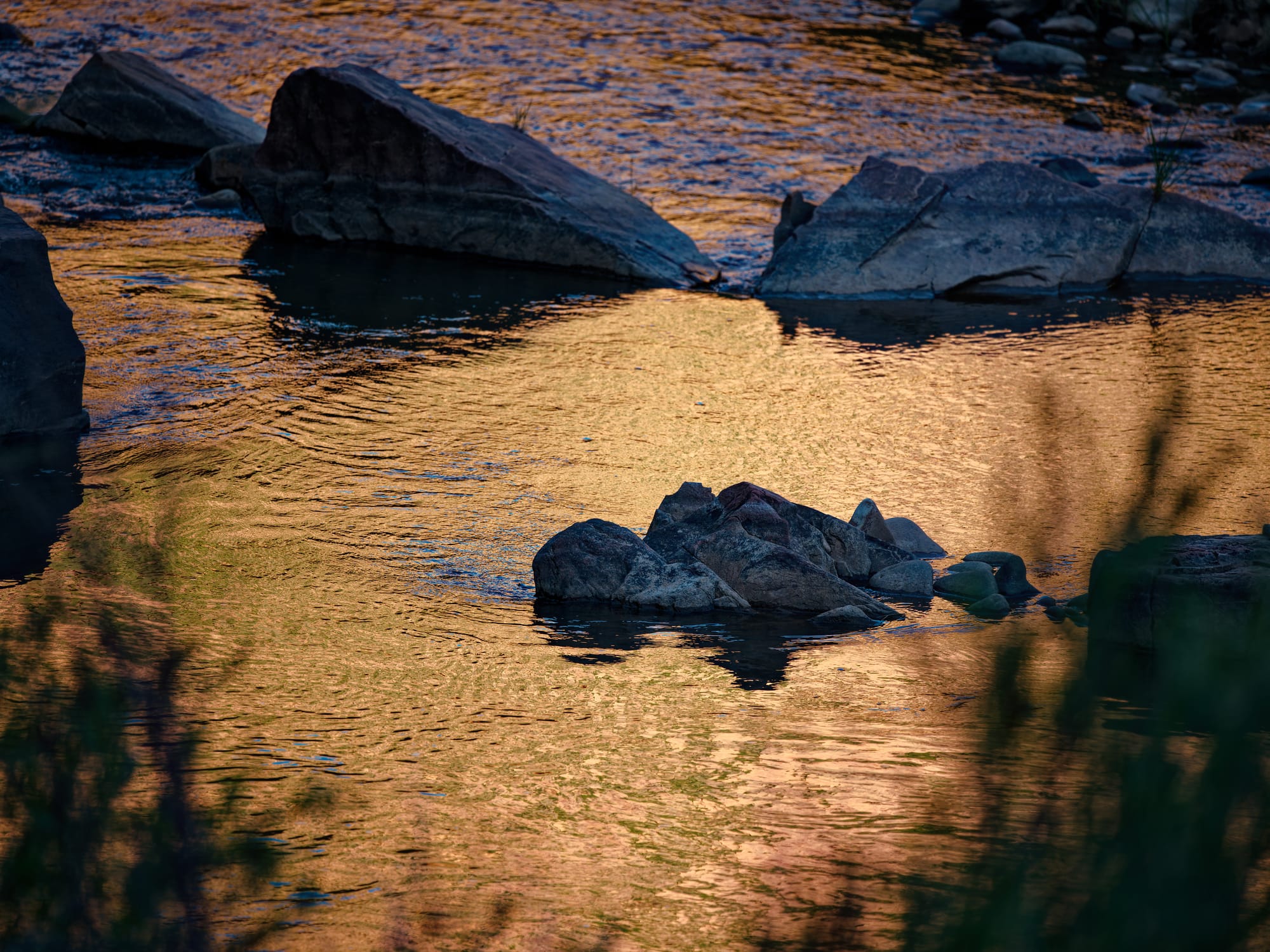
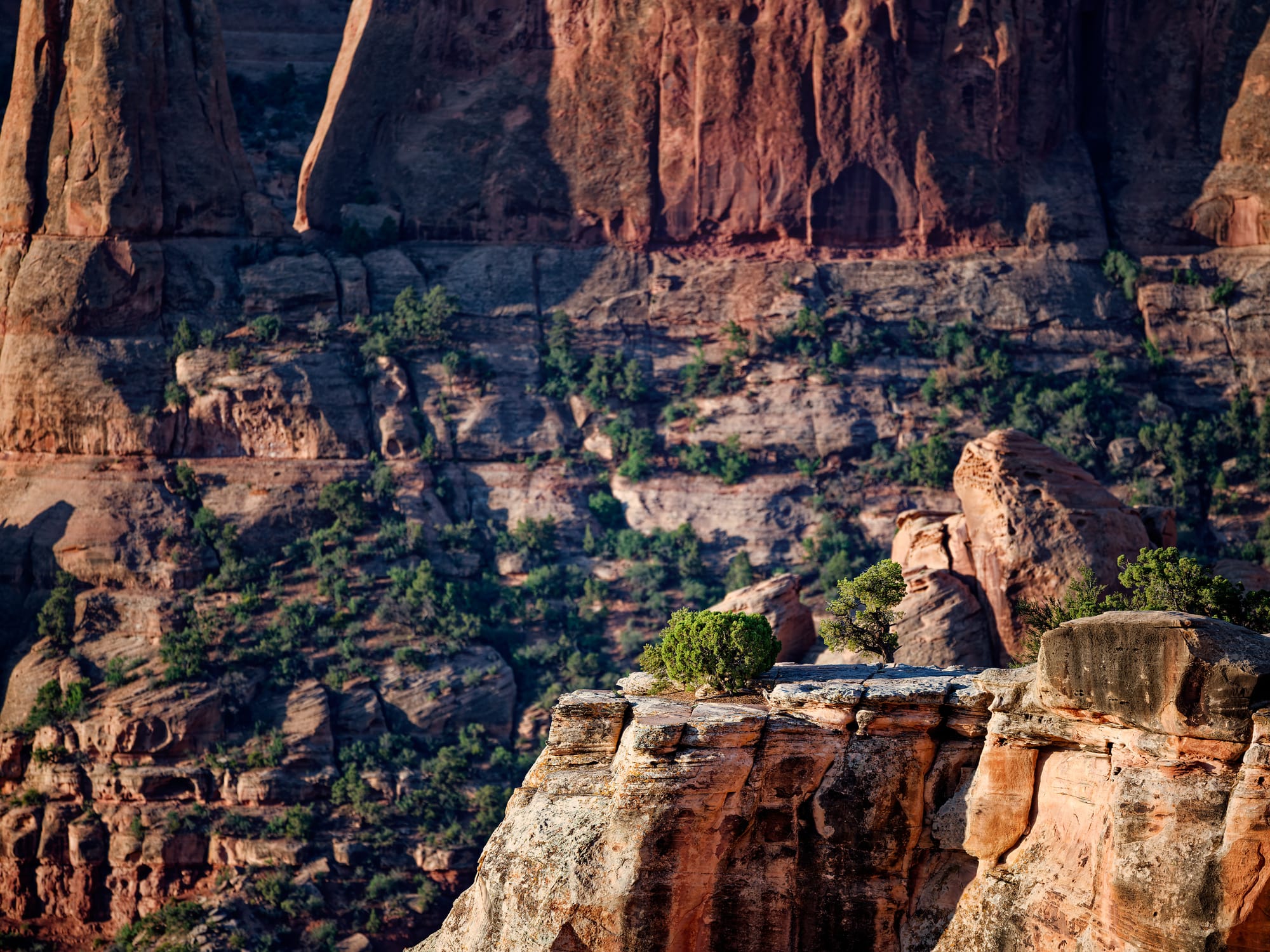
How else are we to explain how a scene can evoke such a range of feeling depending on the light, the weather, or our own moods. That those same feelings resonate in similar ways with others. Whether you are in the woods or deserts, seashore, or plains simply pausing and clearing the mind is enough to allow this genius to seep into our consciousness or to feel its presence.
Every place is unique in the wild world and so is the genius of such places.
Enchantment
It has become rather current to speak of the re-enchantment of the world. That is to return some magic or charm to the world. But in reality, the world already possesses that enchantment, and re-enchantment is us discovering it again.
We might think of enchantment to mean fairies, which we are taught are not real. Yet there was a lot of faith placed in their existence in the not-too-distant past.
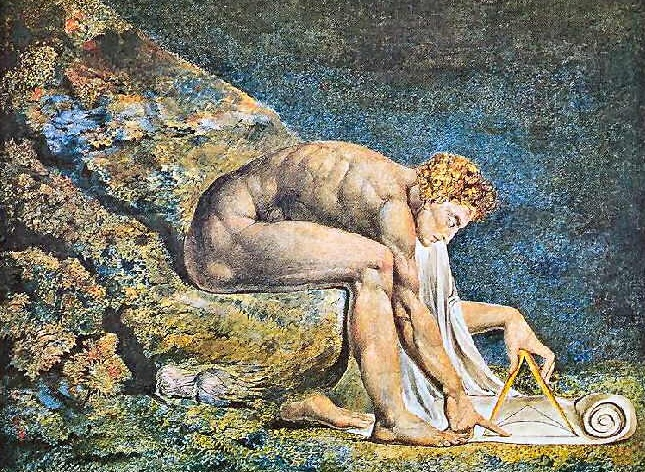
Reading William Blake's biography, one becomes acquainted with a man who heard voices and had visions as he walked the outskirts of London. A poet and artist in the late 1700's early 1800's his work in many ways battled the tide of the Enlightenment. He mocked Newton and stood on the threshold of the revolution that was Descartes' dualism. That he heard voices and had visions did not seem to harm his reputation and was not considered as odd as it might today. A hundred years later the Victorians would build asylums and lock his type away.
It is a reasonable assumption that fairies and sprites may have been a real and common experience in past times. That they were subsumed under the tsunami of the intellect of the Enlightenment. That in our rush towards the measurable and rational we have lost our understanding of a world filled with enchantment, magic, and genius loci. Indeed, the record indicates that that form of worldview lasted longer than our modern rational one.
In Japan, those densely populated technically advanced islands, the Shinto religion is still practiced alongside Buddhism. Shinto, which has no known founder, is an ancient animist religion that means ‘way of the spirits’.
In Shinto they celebrate kami which is described as a ‘formless power present in everything’. Kami can inhabit places and things and exist in a spiritual realm separate from ours. They live in places of unusual boulders or oddly shaped trees and may live in people that ask for their blessing. This seems to be further evidence of people that could find a sense of the otherworldly or enchantment in a place.
The idea of sacred groves we might recall in ancient Greek myths. The Oak Grove of Zeus at Dodona where priests interpreted the rustling of leaves is one of the oldest Greek oracles. Laurel Grove of Apollo at Daphne (near Athens) a ritual site for Apollo named for the nymph Daphne who was transformed into a laurel.
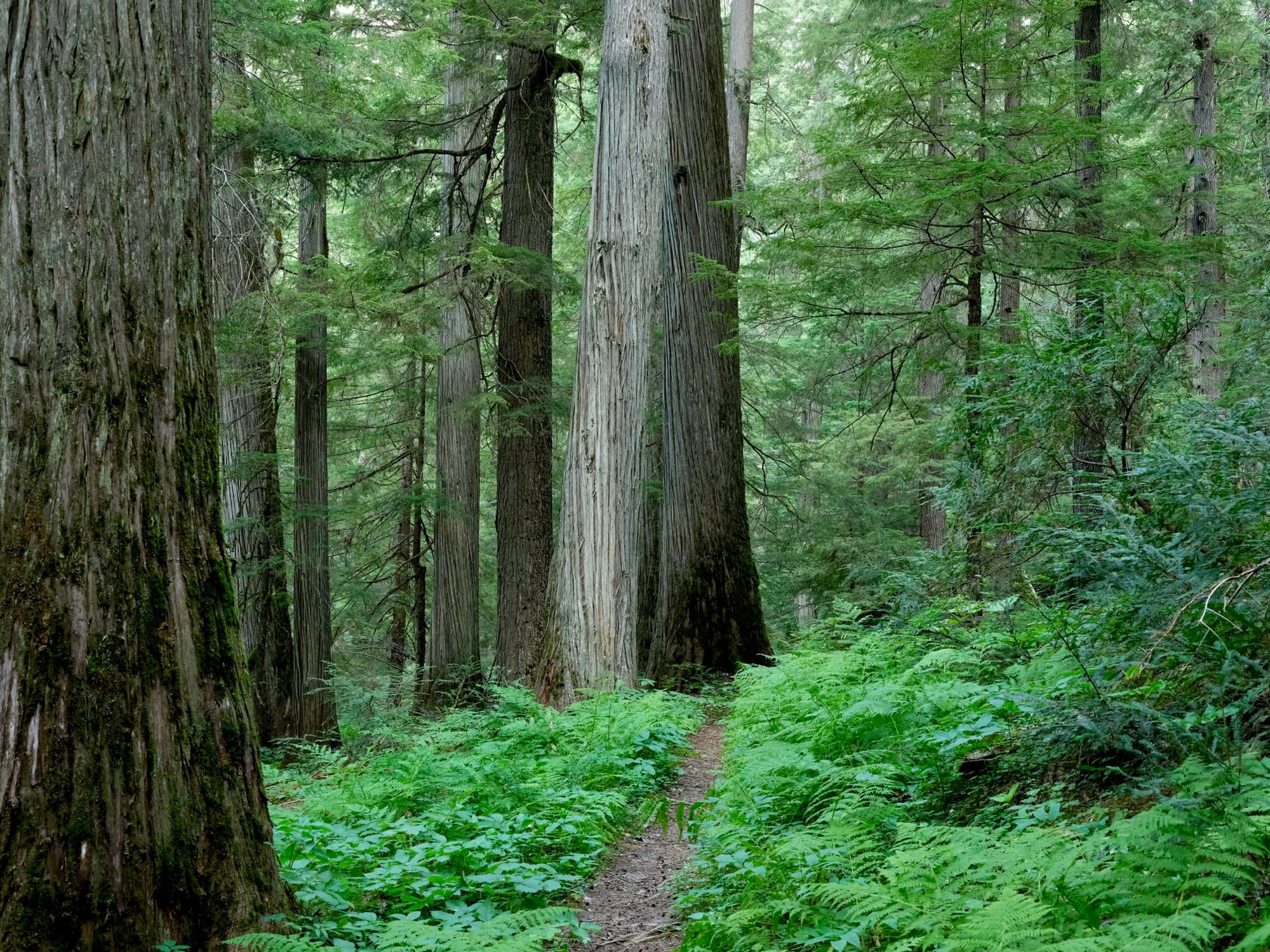
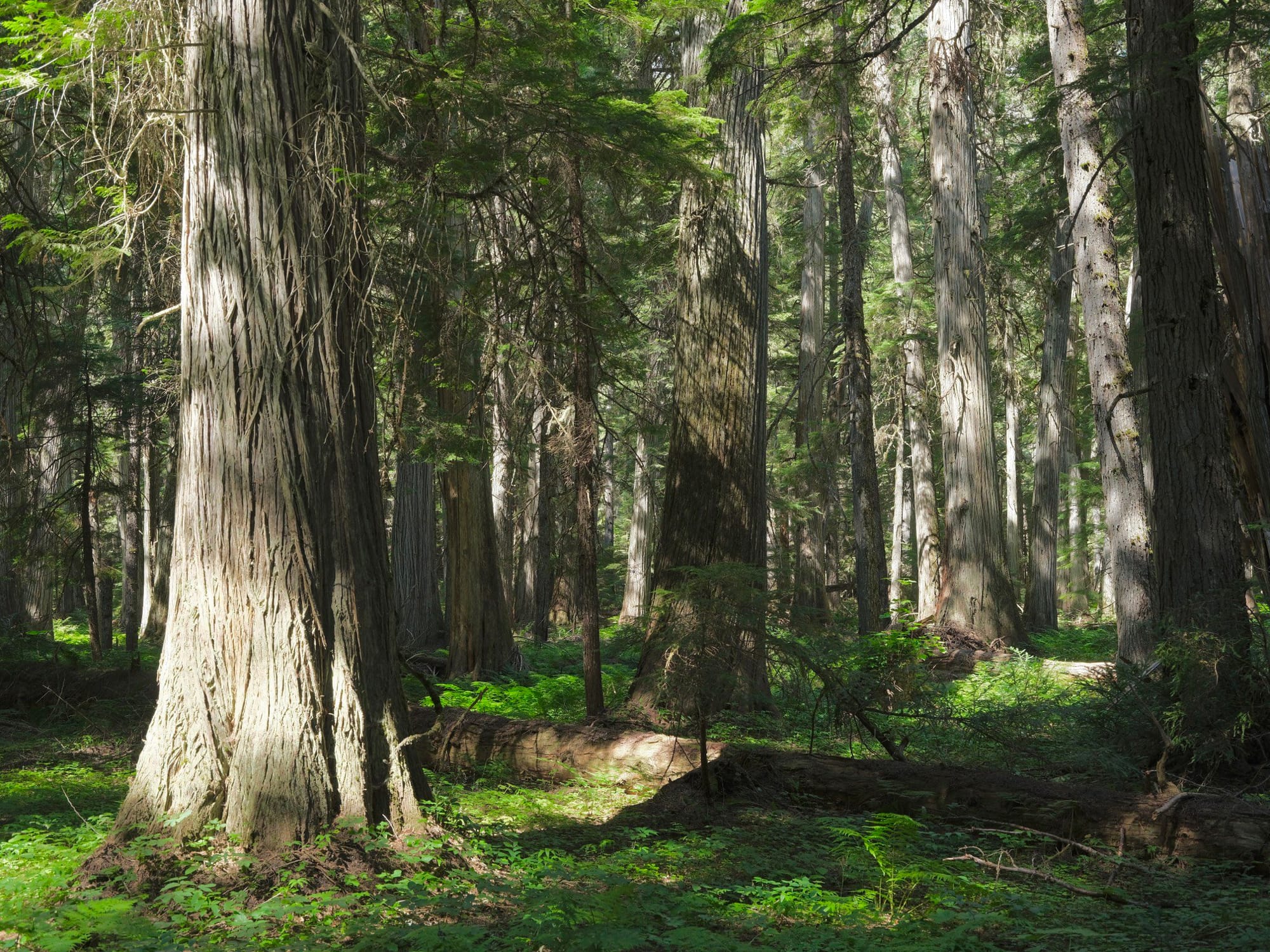
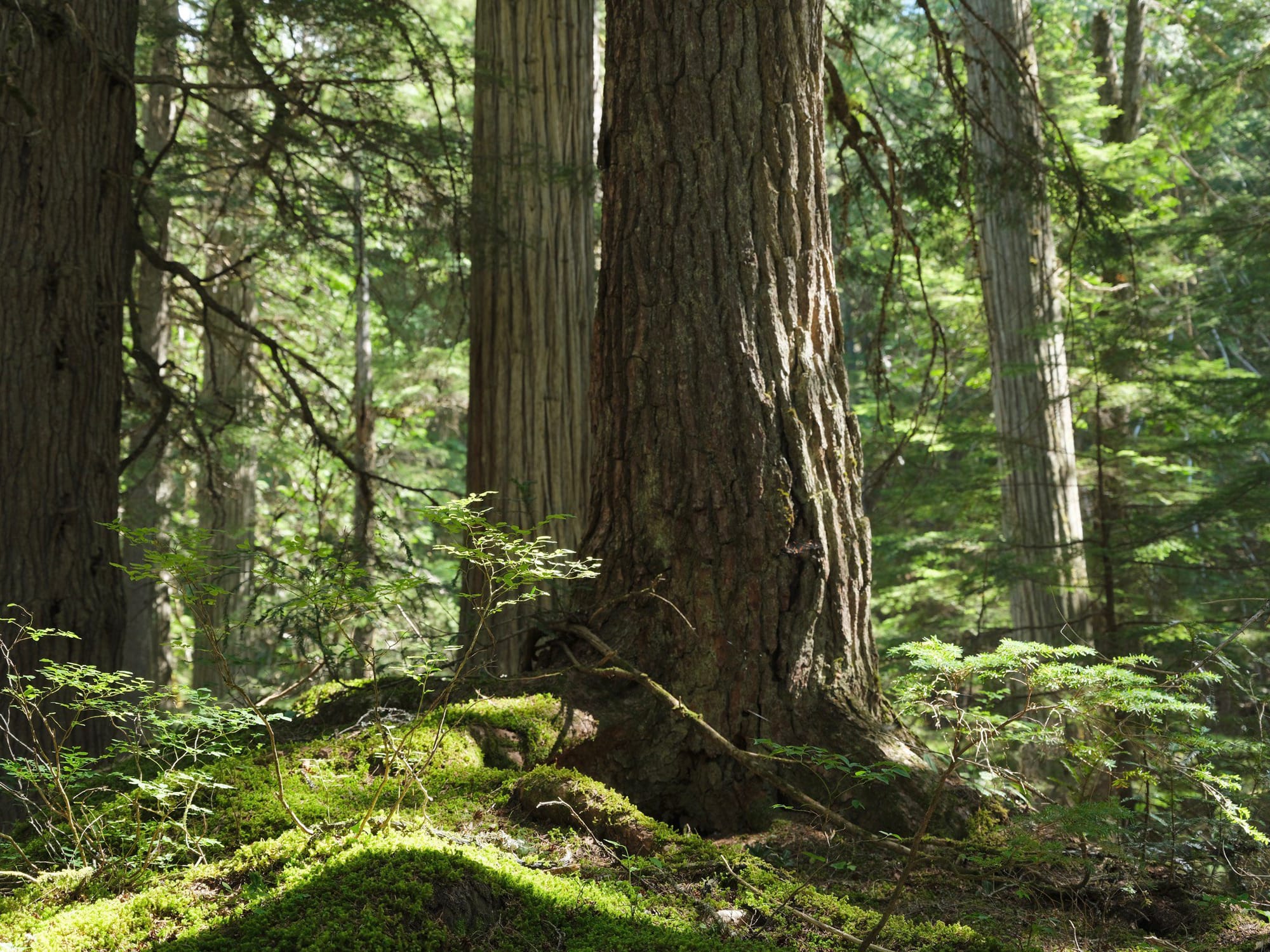
Upper Priest River
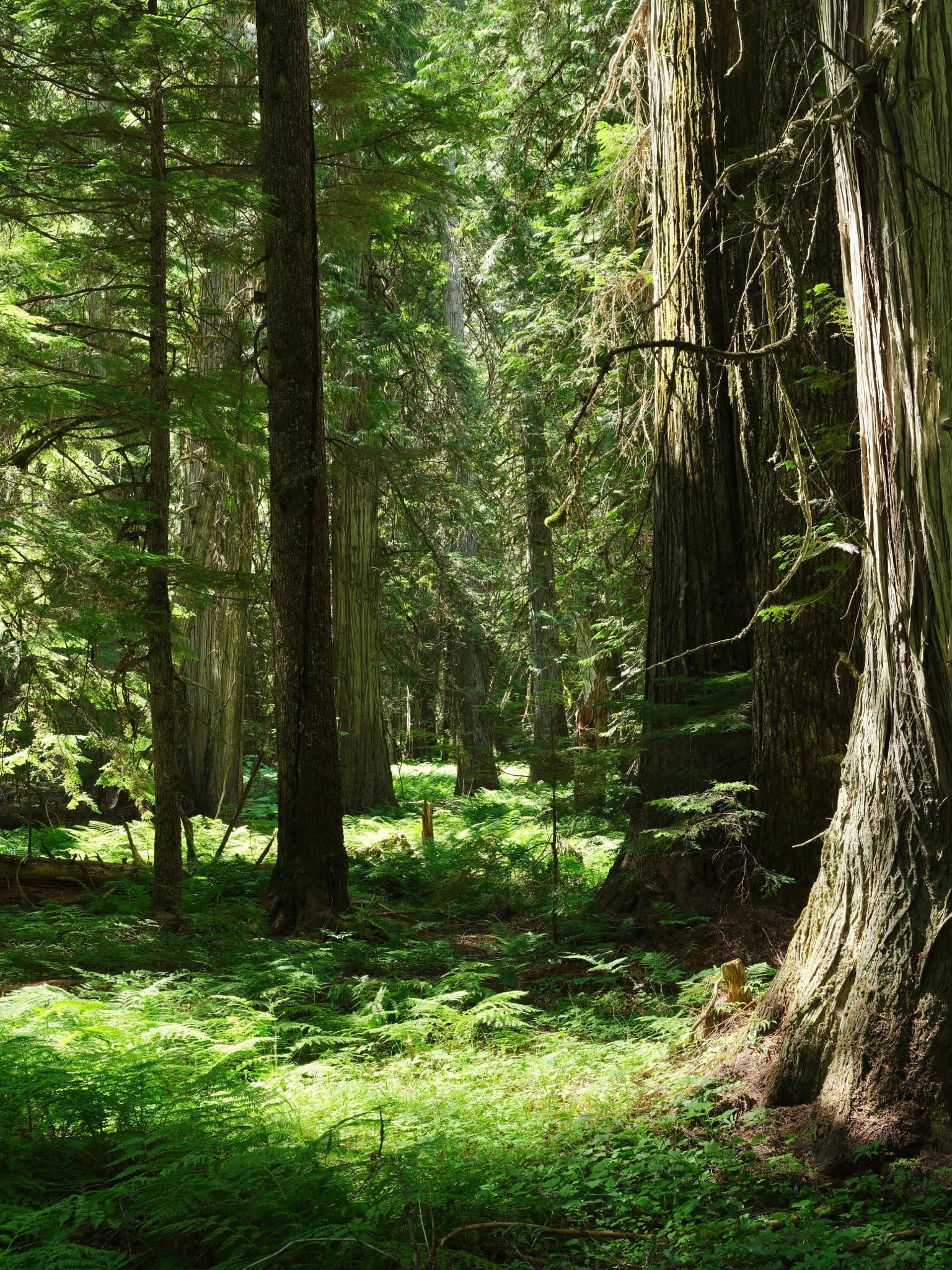
Many of us have entered an ancient grove of trees or woodland and felt something profound. Near where I live are two ancient cedar groves preserved from the chainsaw that have a feeling of entering a cathedral. It seems however that the reverse is true; cathedrals were constructed to give the feeling of being in a sacred grove. An archetype that has transcended the ages.
Genesis
Even if we are not Christian most of us know of the story of Genesis. The word genesis comes from the same root word for genius as well. To begat or generate, as in the world. It was perhaps this act or one like it that infused creation with genius. The Garden of Eden before man arrived could be described as a deliberately crafted sacred space, a kind of temple garden. Here resided the tree of life that Blake refers to and the tree of knowledge. This mythological place would seem to also be infused with genius loci. At the risk of stretching the metaphor, eating the fruit of the tree of knowledge seems to symbolize engagement with the Enlightenment.
Consciousness
I must confess to a superficial knowledge of philosophy, but here we find panpsychism which tries to understand consciousness not as an emergent property from living beings but as something inherent in the fabric of the universe. This is an attempt to understand consciousness and experience where physics fails to provide a satisfactory answer.
In panpsychism everything is imbued with this property and we are just an amalgamation of distributed consciousness. If true then it is hardly surprising, that we might resonate with a scene, a stone, water, trees, or animals. In many ways we would seem to come full circle from animism to a modern understanding of consciousness; or is it the other way around? This has a profound impact on how we see the world and our place in it.
I suppose that is part of my pursuits, to find that magical vision of the world. To know it is real and to resurrect the genius loci for me.
This post was inspired by reading David Whyte's Consolations (Something I would recommend for anyone.) There he defines words with a greater sense of their meanings in life and what they mean to us.